
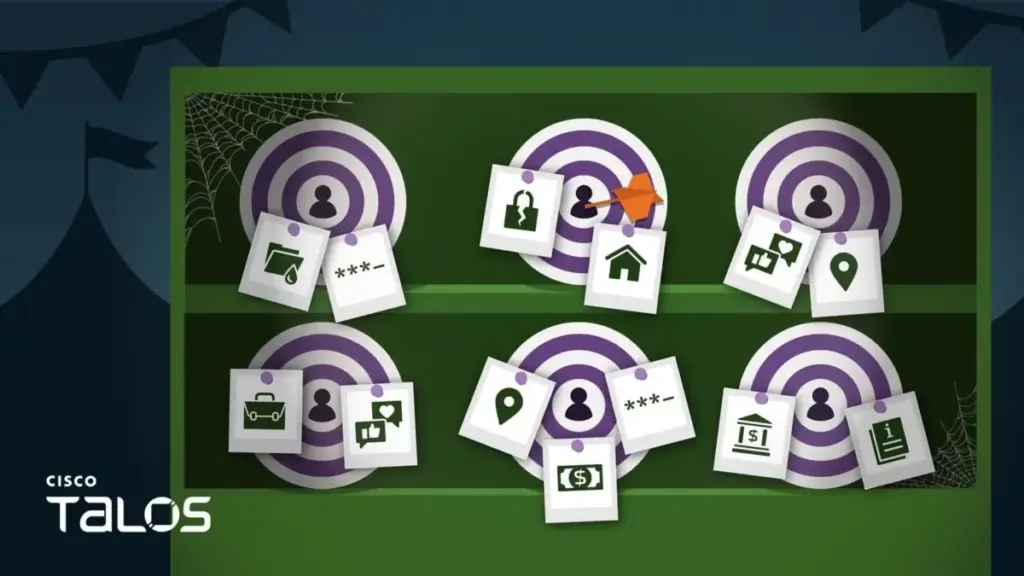
The emergence of VOLTA-AUTODOXER highlights a growing trend in the underground economy where attackers are leveraging tools like Anthropic’s Claude to streamline their operations. By automating the assessment of stolen data, the operators of VOLTA can bypass the labor-intensive process of manually sifting through thousands of compromised files and credentials. Instead, they receive a curated list of high-value targets, ranked by their potential for financial gain. This "triage" approach allows threat actors to focus their resources on individuals with high-limit credit cards, significant cryptocurrency holdings, or access to sensitive corporate networks.
At its core, VOLTA-AUTODOXER is a comprehensive infostealer designed for the Windows operating system. Its primary objective is to exfiltrate as much sensitive information as possible before deleting itself to avoid detection and forensic analysis. The malware’s capabilities are extensive, targeting a wide array of personal and professional data. Researchers found that it systematically sweeps through web browsers to extract saved passwords, session cookies, and stored payment card information. By stealing session cookies, the malware can potentially bypass multi-factor authentication (MFA), allowing attackers to hijack active sessions without needing a secondary code or biometric verification.
The scope of the theft extends beyond simple web browsing. VOLTA-AUTODOXER is programmed to search for and exfiltrate email profiles from popular clients like Mozilla Thunderbird and Microsoft Outlook. This access can provide attackers with a wealth of information regarding a victim’s professional life, financial communications, and personal contacts. Furthermore, the malware targets Microsoft OAuth tokens, which are used for persistent access to various cloud services and applications. By capturing these tokens, an attacker can maintain access to a victim’s account even if the password is changed, provided the token remains valid.
For gamers and younger users, the malware specifically targets Roblox accounts, which have become a valuable commodity in the cybercriminal underground due to the virtual currency and digital items associated with them. More critically for corporate environments, VOLTA-AUTODOXER scans for Secure Shell (SSH) keys and configuration files for major cloud providers. These files are the keys to the kingdom for modern infrastructure; if an attacker gains access to a developer’s or system administrator’s cloud configuration, they could potentially compromise entire server clusters or corporate databases.
The malware’s treatment of connectivity and financial assets is equally aggressive. It is capable of pulling every saved Wi-Fi password from a victim’s machine in plaintext, potentially allowing an attacker to move laterally through a local network if they are within physical range or have established a remote bridge. When it comes to cryptocurrency, the malware does more than just copy wallet files. It includes functionality to attempt to crack the encryption of cryptocurrency vaults "inline," meaning it tries to gain access to the funds immediately on the victim’s hardware. This immediate attempt at decryption suggests that the developers of VOLTA are prioritizing speed and direct financial theft.
 Hardware Reviews & PC Building
Elon Musk’s xAI installs eight converted jet engines to power Mississippi data center — permits allow 25…
The data center, designed to house the immense computing power necessary for...
 Hardware Reviews & PC Building
Custom Power Distribution Mod Surfaces to Tackle RTX 5090 Overheating Concerns
The launch of NVIDIA’s flagship GeForce RTX 5090 has been met with...
 Hardware Reviews & PC Building
Rising Component Costs and AI Demand Create Unprecedented Crisis for Consumer PC Market
The landscape of the consumer PC market is currently navigating a period...







