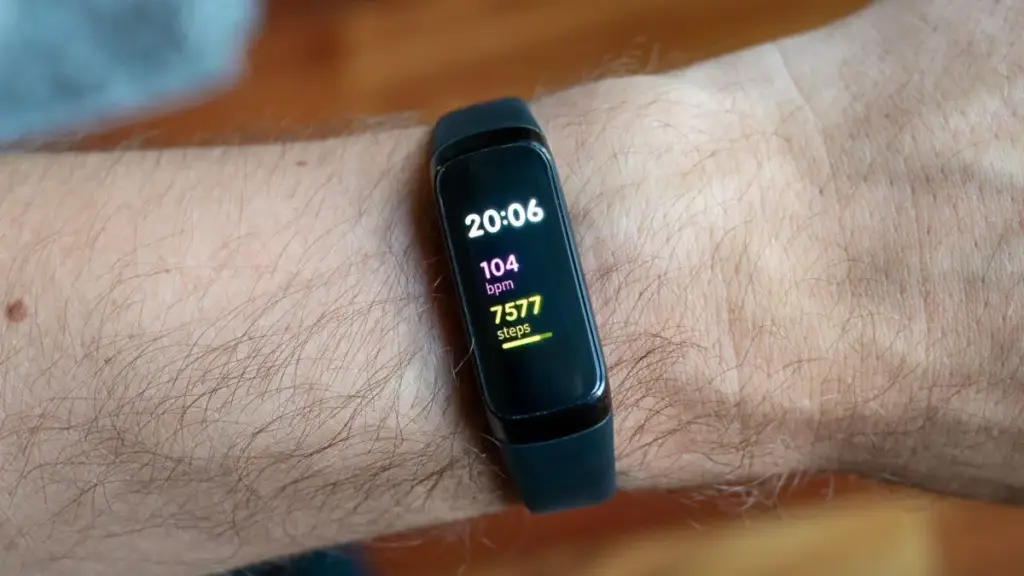
The landscape of wearable technology is often dominated by high-end smartwatches boasting sapphire glass, cellular connectivity, and price tags that rival mid-range smartphones. However, a significant segment of the market remains dedicated to the "basics"—users who prioritize battery life, lightweight forms, and essential health metrics over the ability to take calls from their wrist. For these users, the Samsung Galaxy Fit series has long been a reliable, if occasionally sporadic, contender. Following the relatively recent launch of the Galaxy Fit 3, new leaks suggest that a successor, the Samsung Galaxy Fit 4, is already on the horizon, aiming to refine the budget fitness experience rather than reinvent it.
Recent reports and regulatory filings have begun to paint a clearer picture of what to expect from Samsung’s next affordable wearable. According to data surfaced by Android Authority and various certification databases, the Galaxy Fit 4 appears to be moving through the final stages of development. While the device may not represent a radical departure from the design language established by its predecessor, it looks set to offer incremental improvements that could solidify its position in an increasingly crowded market of fitness bands.
What you need to know
The upcoming wearable, identified in various regulatory documents by the model number SM-R391, first caught the attention of industry observers last August. Since then, a series of renders and technical details have emerged, suggesting that Samsung is sticking to a "tried and true" philosophy for its fitness tracker line. The Galaxy Fit 3 was widely praised for its move toward a larger, more legible display compared to the aging Galaxy Fit 2, and it appears the Fit 4 will continue to occupy this middle ground between a slim band and a full-scale smartwatch.
Early renders of the device indicate a hardware profile that is nearly identical to the current model. The rear of the tracker features a familiar pill-shaped optical sensor array, designed to sit flush against the skin for accurate biometric readings. Accompanying the sensor are two metal charging contacts, confirming that Samsung will likely continue using its proprietary magnetic charging cradle rather than adopting a more universal standard like Qi wireless charging, which remains a premium feature reserved for the Galaxy Watch series.
The latest leaks also shed light on the aesthetic direction Samsung is taking. The Galaxy Fit 4 is expected to debut in at least three distinct color variants. While the classic black and silver options are virtually guaranteed, a new light blue hue has been showcased in leaked images, suggesting a push toward a more lifestyle-oriented, "sport-chic" appeal. This variety allows the tracker to function not just as a piece of gym equipment, but as an everyday accessory that fits a range of personal styles.
Incremental hardware and sensor upgrades
While the exterior may look familiar, the internal components are where the Galaxy Fit 4 aims to justify its existence. One of the most notable technical upgrades reported is the jump to Bluetooth 5.4. While the Galaxy Fit 3 utilized Bluetooth 5.3, the move to version 5.4 brings subtle but meaningful improvements in communication efficiency and connection stability. For a device that relies heavily on a constant link to a smartphone for notifications and data synchronization, these optimizations can lead to a more seamless user experience and potentially better power management.
 Mobile Device Management (MDM) & Mobile OS
Xiaomi Unveils the 18 Pro and 18 Pro Max: A Dual-Screen Powerhouse Aimed at the Global Ultra-Premium Market
Following a notable absence in the international flagship market last year, Xiaomi...
 Mobile Device Management (MDM) & Mobile OS
Samsung Galaxy Buds 4 Pro See Significant Price Cut in Early Black Friday Promotion as Sales Reach New Milestones
In the modern mobile landscape, the purchase of a flagship smartphone is...
 Mobile Device Management (MDM) & Mobile OS
Google Surprises Users with Early Release of Android 17 QPR2, Introducing Granular Customization and Enhanced Privacy
In a move that caught many in the tech industry off guard,...