
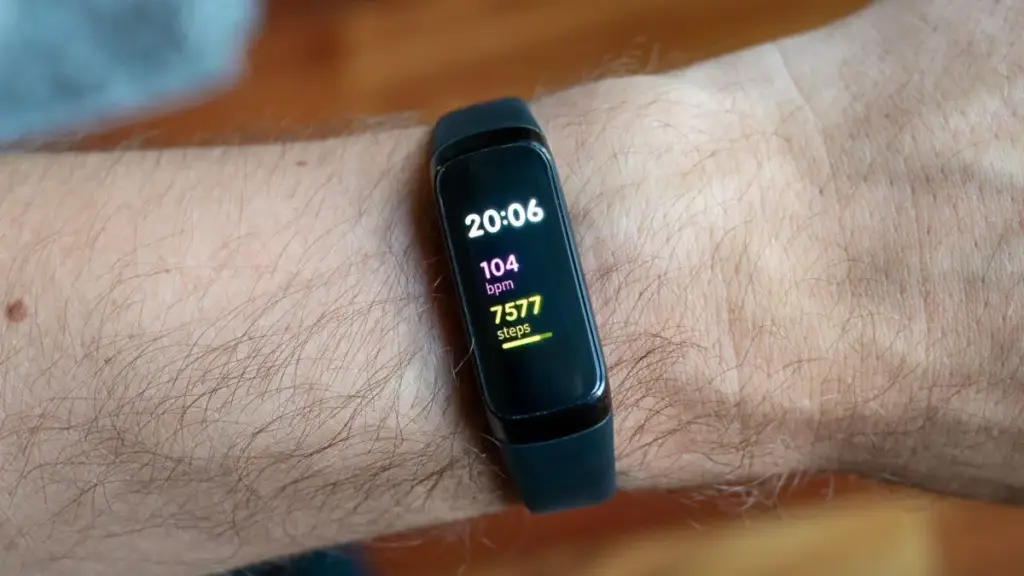
The landscape of wearable technology is often dominated by high-end smartwatches boasting sapphire glass, cellular connectivity, and price tags that rival mid-range smartphones. However, a significant segment of the market remains dedicated to the "basics"—users who prioritize battery life, lightweight forms, and essential health metrics over the ability to take calls from their wrist. For these users, the Samsung Galaxy Fit series has long been a reliable, if occasionally sporadic, contender. Following the relatively recent launch of the Galaxy Fit 3, new leaks suggest that a successor, the Samsung Galaxy Fit 4, is already on the horizon, aiming to refine the budget fitness experience rather than reinvent it.
Recent reports and regulatory filings have begun to paint a clearer picture of what to expect from Samsung’s next affordable wearable. According to data surfaced by Android Authority and various certification databases, the Galaxy Fit 4 appears to be moving through the final stages of development. While the device may not represent a radical departure from the design language established by its predecessor, it looks set to offer incremental improvements that could solidify its position in an increasingly crowded market of fitness bands.
What you need to know
The upcoming wearable, identified in various regulatory documents by the model number SM-R391, first caught the attention of industry observers last August. Since then, a series of renders and technical details have emerged, suggesting that Samsung is sticking to a "tried and true" philosophy for its fitness tracker line. The Galaxy Fit 3 was widely praised for its move toward a larger, more legible display compared to the aging Galaxy Fit 2, and it appears the Fit 4 will continue to occupy this middle ground between a slim band and a full-scale smartwatch.
Early renders of the device indicate a hardware profile that is nearly identical to the current model. The rear of the tracker features a familiar pill-shaped optical sensor array, designed to sit flush against the skin for accurate biometric readings. Accompanying the sensor are two metal charging contacts, confirming that Samsung will likely continue using its proprietary magnetic charging cradle rather than adopting a more universal standard like Qi wireless charging, which remains a premium feature reserved for the Galaxy Watch series.
The latest leaks also shed light on the aesthetic direction Samsung is taking. The Galaxy Fit 4 is expected to debut in at least three distinct color variants. While the classic black and silver options are virtually guaranteed, a new light blue hue has been showcased in leaked images, suggesting a push toward a more lifestyle-oriented, "sport-chic" appeal. This variety allows the tracker to function not just as a piece of gym equipment, but as an everyday accessory that fits a range of personal styles.
Incremental hardware and sensor upgrades
While the exterior may look familiar, the internal components are where the Galaxy Fit 4 aims to justify its existence. One of the most notable technical upgrades reported is the jump to Bluetooth 5.4. While the Galaxy Fit 3 utilized Bluetooth 5.3, the move to version 5.4 brings subtle but meaningful improvements in communication efficiency and connection stability. For a device that relies heavily on a constant link to a smartphone for notifications and data synchronization, these optimizations can lead to a more seamless user experience and potentially better power management.
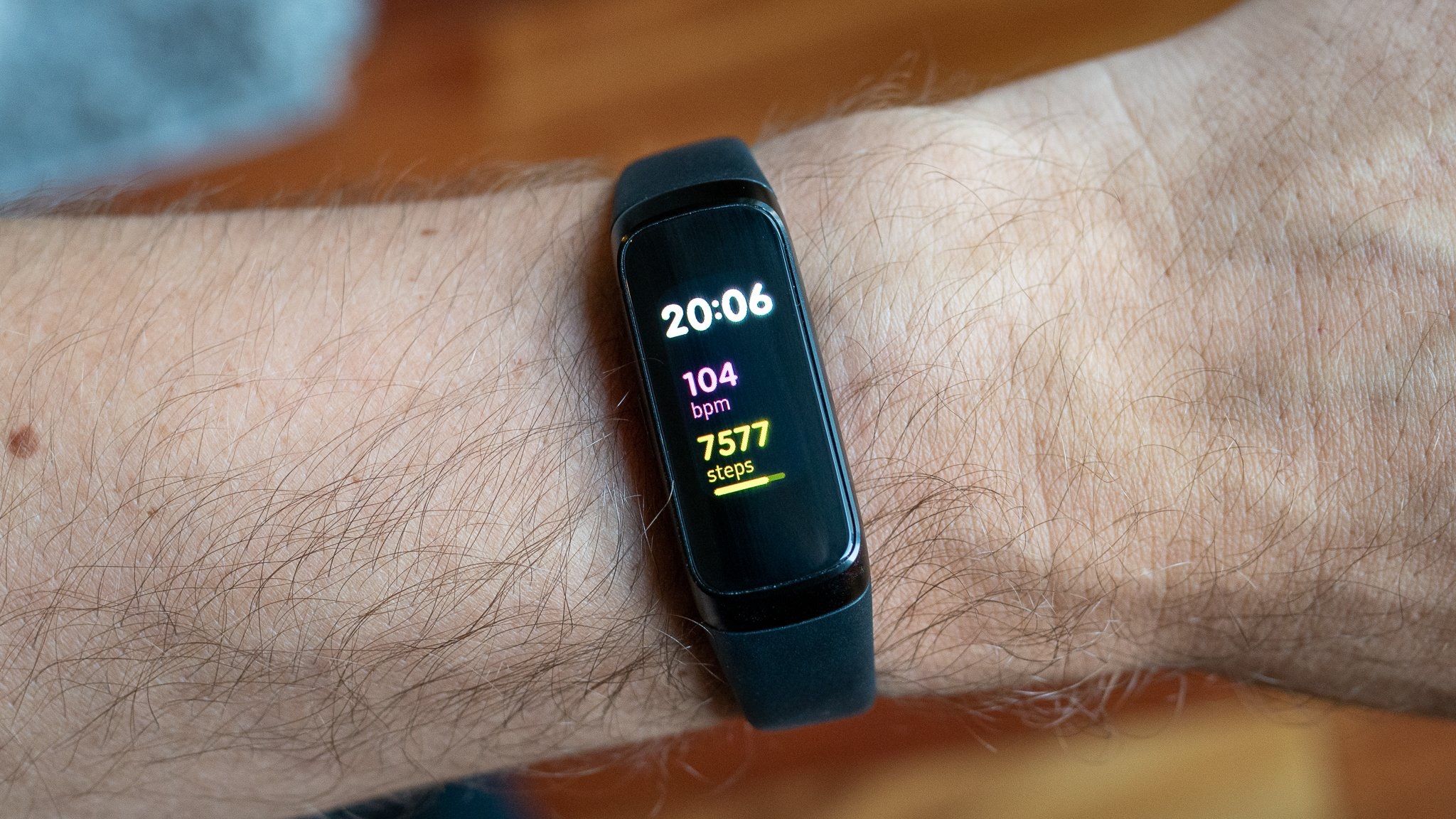
Under the hood, the Galaxy Fit 4 is expected to utilize the Goodix GH3036 sensor module. This specialized hardware is responsible for the heavy lifting regarding health metrics, including optical heart rate monitoring and potentially blood oxygen (SpO2) saturation levels. Goodix sensors are a staple in the wearable industry, known for providing a balance of accuracy and low power consumption. By integrating this module, Samsung ensures that the Fit 4 can provide the 24/7 heart rate tracking and sleep analysis that users have come to expect from the brand’s health ecosystem.
The core functionality of the device is expected to mirror the strengths of the Galaxy Fit 3. This includes a vibrant AMOLED touchscreen that provides clear visibility even under direct sunlight, a critical requirement for outdoor runners and hikers. The interface will likely remain powered by a lightweight Real-Time Operating System (RTOS) rather than the more resource-heavy Wear OS found on the Galaxy Watch 6 or Watch 7. This choice is intentional; by using a simpler OS, Samsung can achieve battery life that spans over a week on a single charge, a feat that full-featured smartwatches still struggle to accomplish.
The missed opportunities of GPS and NFC
Despite the anticipated upgrades, the current leaks suggest that some highly requested features may still be absent from the Galaxy Fit 4. Most notably, there is currently no evidence that the device will include built-in GPS or NFC capabilities.
The lack of built-in GPS means that users who want to track the exact route, pace, and distance of their outdoor runs or bike rides will still need to carry their smartphones with them. The tracker will likely rely on "Connected GPS," a method where the band borrows the location data from a paired phone via Bluetooth. For many casual walkers and gym-goers, this is a non-issue. However, for the more serious fitness enthusiast looking to "unplug" during a workout, the absence of independent GPS remains a significant drawback that competitors like Fitbit and Huawei have addressed in their mid-range trackers.
Similarly, the absence of NFC (Near Field Communication) means that the Galaxy Fit 4 will likely not support Samsung Pay for contactless transactions. In an era where "wallet-less" outings are becoming more common, the ability to tap a wristband at a coffee shop or a transit terminal is a major convenience. By omitting NFC, Samsung maintains a clear hierarchy between the Fit series and the Watch series, ensuring that those who want the full suite of modern conveniences are nudged toward the more expensive Galaxy Watch models.
From a strategic perspective, these omissions are likely a calculated move to keep the Galaxy Fit 4 at an aggressive price point. To compete with the likes of the Xiaomi Smart Band series or the entry-level Fitbit models, Samsung must keep manufacturing costs low. Including a dedicated GPS chip and the secure elements required for NFC payments would inevitably drive up the retail price, potentially cannibalizing sales of the Galaxy Watch FE or older Galaxy Watch models.
Positioning within the Samsung Health ecosystem
The true value of the Galaxy Fit 4 lies not just in its hardware, but in its integration with the Samsung Health platform. Samsung has spent years refining its health app, which has grown into one of the most comprehensive fitness suites available on Android. The Galaxy Fit 4 serves as an affordable entry point into this ecosystem, allowing users to track steps, calories burned, stress levels, and menstrual cycles.
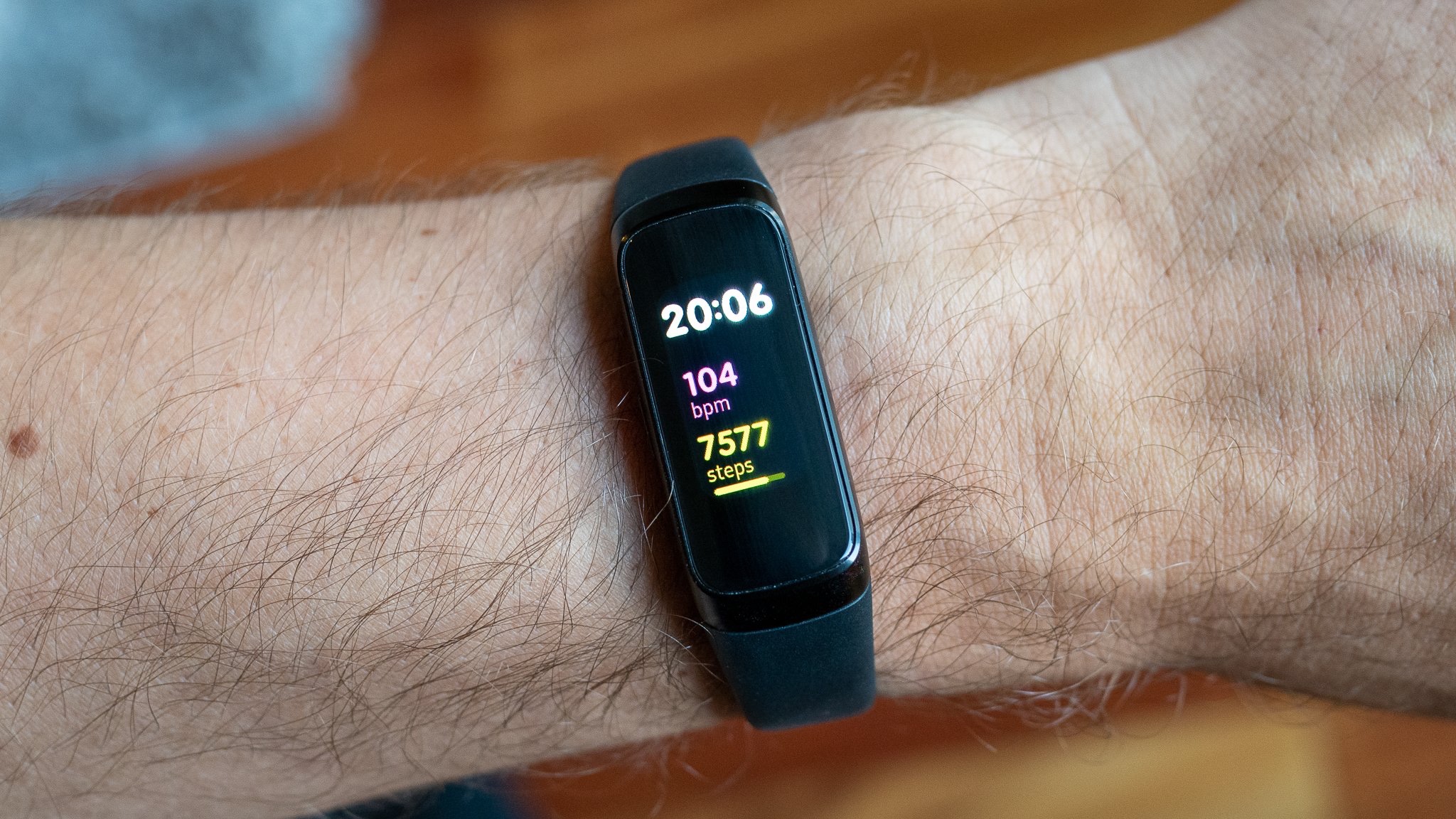
One of the standout features likely to return is Samsung’s advanced sleep coaching. By wearing the lightweight Fit 4 to bed—a much more comfortable experience than wearing a bulky smartwatch—users can receive detailed breakdowns of their sleep stages and actionable advice on how to improve their rest. The integration with Samsung Health also means that all data is synced across devices, allowing users to view their progress on their Galaxy smartphones, tablets, or even Samsung TVs during home workouts.
Furthermore, the Galaxy Fit 4 is expected to maintain its durability standards, featuring a 5ATM and IP68 rating for water and dust resistance. This ensures that the device can survive a swim in the pool or a sudden downpour during a hike, making it a rugged companion for various environments.
Launch expectations and market availability
While Samsung has not yet officially announced a release date for the Galaxy Fit 4, the frequency of leaks and the appearance of the device on certification sites like Malaysia’s SIRIM suggest that a launch is imminent. Historically, Samsung has used its "Unpacked" events to showcase its flagship devices, but budget wearables often receive a more quiet introduction via press releases or regional launches.
A significant point of contention for fans of the series will be regional availability. The Galaxy Fit 3 saw a somewhat fragmented global rollout, notably skipping a formal release in the United States. It remains to be seen if Samsung will bring the Fit 4 to the North American market or if it will continue to focus on regions where budget-friendly fitness trackers hold a larger market share, such as Asia, Europe, and South America.
If Samsung can maintain a price point similar to the Fit 3—generally hovering around the $60 to $80 mark depending on the region—the Galaxy Fit 4 will be a compelling option for those who want a reliable, branded wearable without the complexities of a smartwatch. It represents a refinement of a formula that works: a device that stays out of the way, tracks the essentials, and keeps the user connected to their health goals without requiring a nightly trip to the charger. As the official unveiling approaches, the Galaxy Fit 4 stands as a testament to Samsung’s commitment to the "basics," even as the rest of the industry pushes toward ever-more complex wrist-worn computers.
 Mobile Device Management (MDM) & Mobile OS
Early Black Friday Deals Bring Significant Savings to the Oura Ring 5 as the Wearable Market Shifts Toward Discreet Health Monitoring
The landscape of wearable technology has undergone a significant transformation over the...
 Mobile Device Management (MDM) & Mobile OS
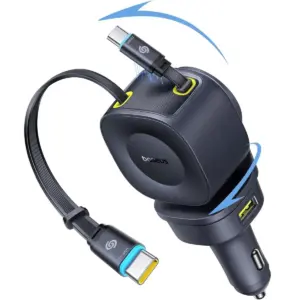
Power on the Move: Why High-Wattage Wired Charging is Becoming Essential for Modern Travelers
In the rapidly evolving landscape of mobile technology, the way we power...
 Mobile Device Management (MDM) & Mobile OS
Sony WH-1000XM4 Prices Plunge to Record Lows as Black Friday Sales Begin
The annual Black Friday shopping season has officially arrived, bringing with it...







