
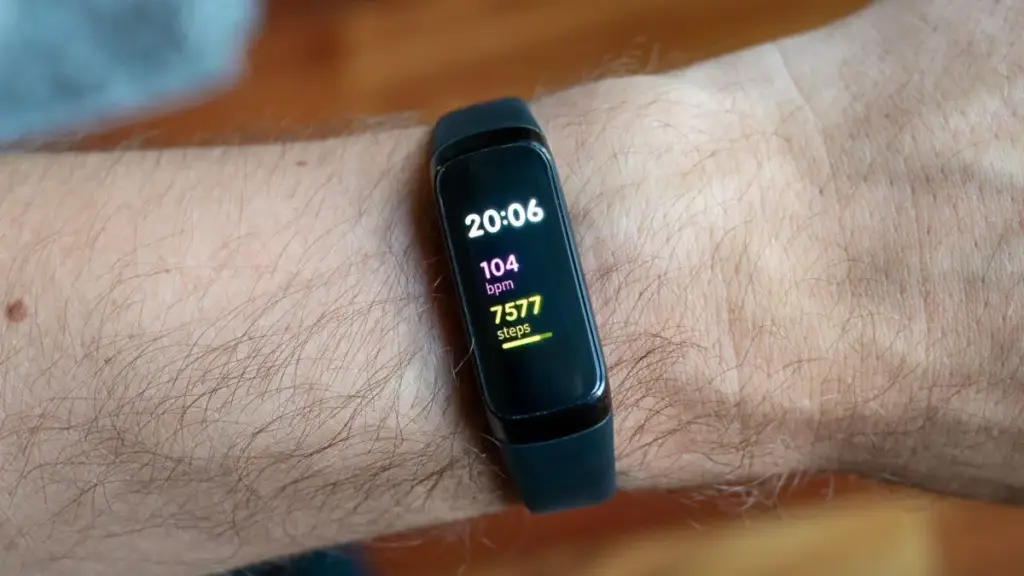
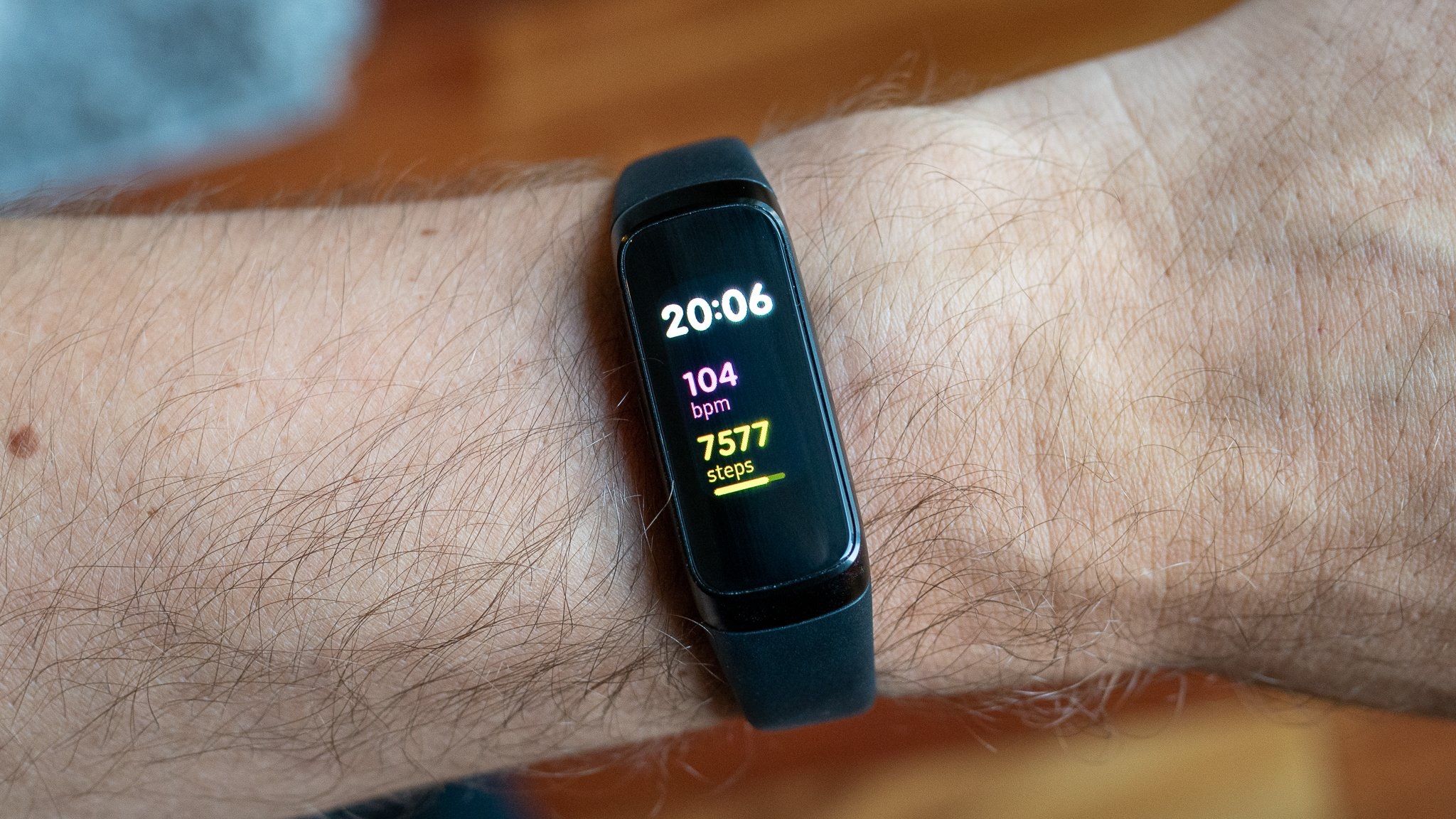
Under the hood, the Galaxy Fit 4 is expected to utilize the Goodix GH3036 sensor module. This specialized hardware is responsible for the heavy lifting regarding health metrics, including optical heart rate monitoring and potentially blood oxygen (SpO2) saturation levels. Goodix sensors are a staple in the wearable industry, known for providing a balance of accuracy and low power consumption. By integrating this module, Samsung ensures that the Fit 4 can provide the 24/7 heart rate tracking and sleep analysis that users have come to expect from the brand’s health ecosystem.
The core functionality of the device is expected to mirror the strengths of the Galaxy Fit 3. This includes a vibrant AMOLED touchscreen that provides clear visibility even under direct sunlight, a critical requirement for outdoor runners and hikers. The interface will likely remain powered by a lightweight Real-Time Operating System (RTOS) rather than the more resource-heavy Wear OS found on the Galaxy Watch 6 or Watch 7. This choice is intentional; by using a simpler OS, Samsung can achieve battery life that spans over a week on a single charge, a feat that full-featured smartwatches still struggle to accomplish.
The missed opportunities of GPS and NFC
Despite the anticipated upgrades, the current leaks suggest that some highly requested features may still be absent from the Galaxy Fit 4. Most notably, there is currently no evidence that the device will include built-in GPS or NFC capabilities.
The lack of built-in GPS means that users who want to track the exact route, pace, and distance of their outdoor runs or bike rides will still need to carry their smartphones with them. The tracker will likely rely on "Connected GPS," a method where the band borrows the location data from a paired phone via Bluetooth. For many casual walkers and gym-goers, this is a non-issue. However, for the more serious fitness enthusiast looking to "unplug" during a workout, the absence of independent GPS remains a significant drawback that competitors like Fitbit and Huawei have addressed in their mid-range trackers.
Similarly, the absence of NFC (Near Field Communication) means that the Galaxy Fit 4 will likely not support Samsung Pay for contactless transactions. In an era where "wallet-less" outings are becoming more common, the ability to tap a wristband at a coffee shop or a transit terminal is a major convenience. By omitting NFC, Samsung maintains a clear hierarchy between the Fit series and the Watch series, ensuring that those who want the full suite of modern conveniences are nudged toward the more expensive Galaxy Watch models.
From a strategic perspective, these omissions are likely a calculated move to keep the Galaxy Fit 4 at an aggressive price point. To compete with the likes of the Xiaomi Smart Band series or the entry-level Fitbit models, Samsung must keep manufacturing costs low. Including a dedicated GPS chip and the secure elements required for NFC payments would inevitably drive up the retail price, potentially cannibalizing sales of the Galaxy Watch FE or older Galaxy Watch models.
 Mobile Device Management (MDM) & Mobile OS
Xreal One Pro Receives Significant Price Cut During Prime Big Deal Days as the Market for Wearable Displays Expands
The landscape of personal entertainment and mobile productivity is undergoing a quiet...
 Mobile Device Management (MDM) & Mobile OS
Google Unveils Android Bench 2.0 to Evaluate AI Performance on Complex, Long-Horizon Development Tasks
In a significant move to refine how artificial intelligence interacts with the...
 Mobile Device Management (MDM) & Mobile OS
Google Enhances Android Find Hub with Proactive ‘Notify When Left Behind’ Alerts for Bluetooth Trackers
In a significant move to achieve feature parity with its primary competitors,...







