
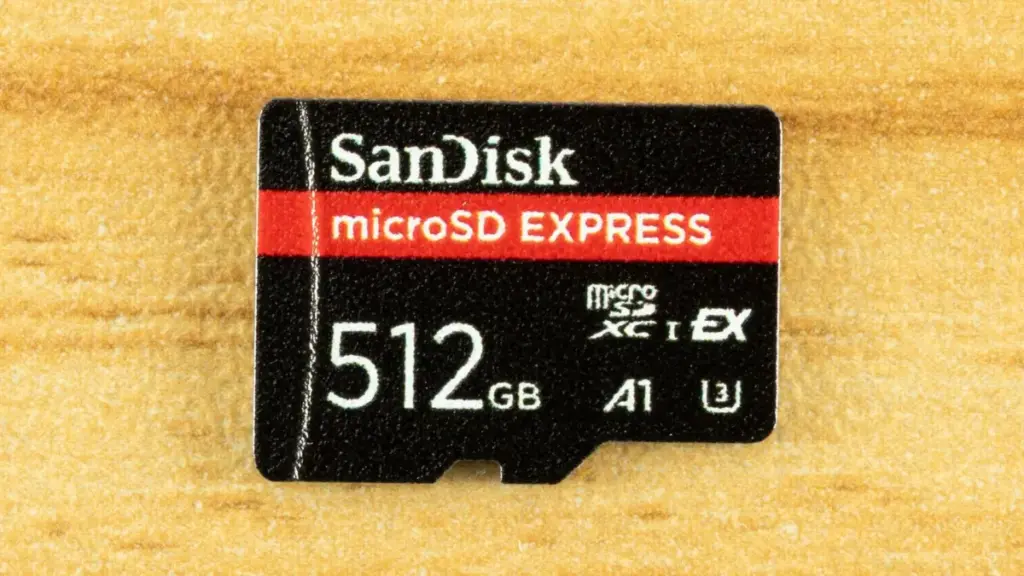
The global semiconductor landscape has been defined in recent months by a persistent and challenging volatility, particularly within the DRAM and NAND flash memory sectors. For consumers and technology enthusiasts, this has translated into a frustrating period of rising costs and dwindling discounts for essential storage components. As manufacturers grapple with supply chain adjustments and a shift in production priorities toward high-demand artificial intelligence infrastructure, the traditional "deal" on high-capacity storage has become an increasingly rare find. However, a notable shift has appeared at retail, offering a reprieve for those looking to expand their digital libraries.
In a move that stands out against the current market trends, Walmart has introduced a substantial price reduction on the SanDisk 512GB GamePlay microSD Express card. Currently listed at $98, the card has dropped well below its standard retail price, which typically fluctuates above the $120 mark. This price point represents one of the most competitive offers seen for this specific model in several months, providing a strategic entry point for gamers and power users who have been waiting for the right moment to upgrade their mobile or console storage.
The timing of this discount is particularly significant given the broader economic pressures affecting the storage industry. For much of the past year, the industry has been navigating what analysts describe as a memory crisis. This situation arose after a period of oversupply led major memory manufacturers to drastically cut production in an attempt to stabilize and eventually raise market prices. Those efforts have largely succeeded from a corporate perspective, but for the end-user, it has meant that the era of dirt-cheap flash storage has, at least temporarily, come to a close. Finding a high-performance card from a reputable brand like SanDisk for under $100 is a development that warrants attention.
To understand the value of this specific offer, one must look at the technical specifications and the positioning of the SanDisk GamePlay microSD Express within the current hierarchy of storage solutions. The "Express" designation is more than just a marketing term; it represents a significant technological leap over the standard microSD cards that have dominated the market for the last decade. While traditional microSD cards rely on the UHS (Ultra High Speed) interface, which is limited by its aging bus architecture, the microSD Express standard utilizes the PCIe and NVMe interfaces. These are the same technologies that power the lightning-fast SSDs found in modern gaming PCs and high-end laptops.
By integrating PCIe Gen 3×1 and NVMe protocols, microSD Express cards are designed to deliver throughput that far exceeds the capabilities of UHS-I or even UHS-II cards. This makes the SanDisk GamePlay series a forward-looking choice. While many current-generation devices, such as the original Nintendo Switch or mid-range smartphones, are still limited to UHS-I speeds, the industry is clearly moving toward these faster standards. The mention of the "Nintendo Switch 2" in the context of this card reflects a growing anticipation among the gaming community that next-generation handheld consoles will require the higher bandwidth provided by Express-class storage to handle more complex game assets and reduce loading times.
 Hardware Reviews & PC Building
Used Hardware Purchase Leads to Unexpected Valorant Ban for German Gamer as Riot’s Vanguard Flags Secondhand CPU
The secondary market for PC components has long been a haven for...
 Hardware Reviews & PC Building
Microsoft brings Snapdragon X2 Plus to 13-inch Surface Laptop, 12-inch Surface Pro — low-end systems finally get…
The introduction of the Snapdragon X2 Plus represents a substantial leap over...
 Hardware Reviews & PC Building
Digital Fly Brain Achieves 20 Percent Win Rate in Balatro Following Breakthrough Google Neural Mapping
In the rapidly evolving landscape of artificial intelligence and computational neuroscience, the...







