
For those deeply embedded in the world of consumer technology, it is often difficult to step outside the "tech bubble." Within this niche, enthusiasts have spent the better part of two decades—and in some cases, dating back to the X10 industry standards of the 1970s—tinkering with home automation. To the seasoned "geek," a weekend spent troubleshooting a Zigbee gateway or configuring a local Home Assistant server is a hobby. But for the vast majority of the population, the smart home has remained a promise perpetually unfulfilled, hindered by a labyrinth of incompatible standards, frustrating setup processes, and the haunting requirement of being an "unpaid network engineer" just to get a lightbulb to turn on via a smartphone.
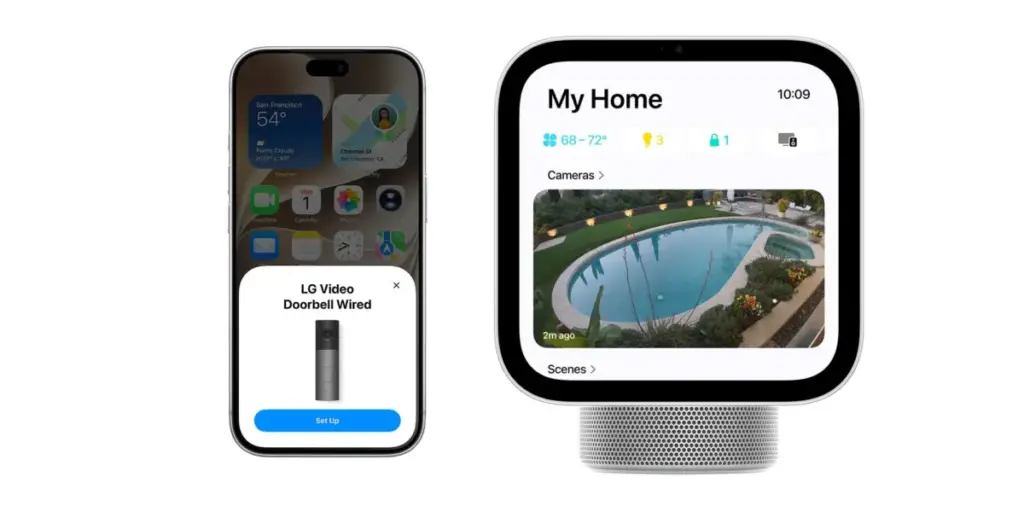
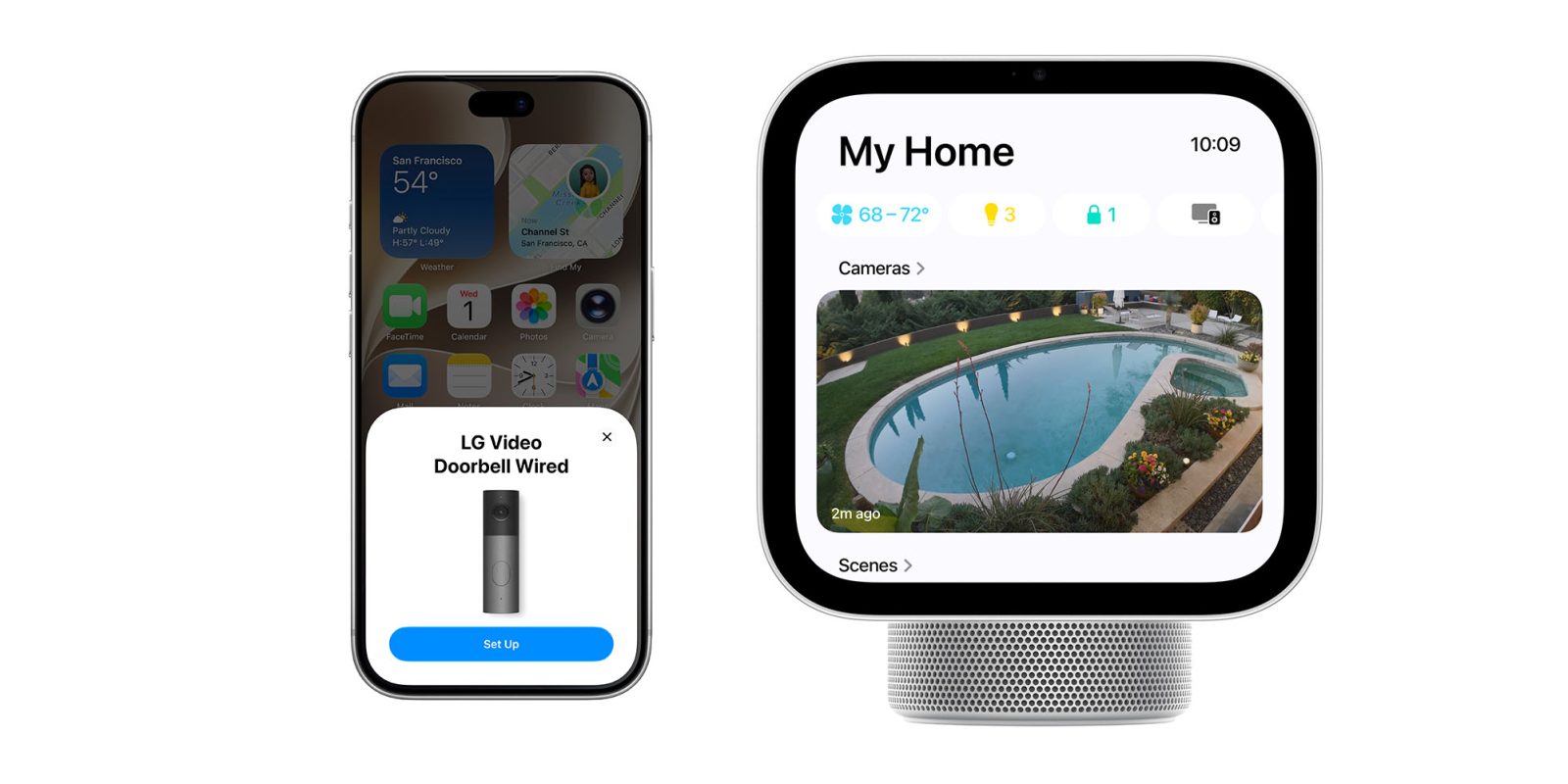
The recent unveiling of the Apple Home Collection, a curated suite of smart home accessories developed in partnership with industry stalwarts LG and Schneider Electric, has been met with a wave of skepticism from the tech elite. Critics point to the premium pricing and the fact that these devices—cameras, doorbells, and sensors—do not appear to offer revolutionary new features that aren’t already available in cheaper alternatives from competitors. However, this perspective overlooks a fundamental reality of consumer behavior: for the mass market, the most valuable "feature" a product can offer is the total elimination of friction.
The Long, Frustrating Road to Integration
To understand why the Apple Home Collection represents a potential watershed moment for the industry, one must look back at the evolution of home automation. In its infancy, the "smart home" was the exclusive domain of hobbyists willing to engage in actual soldering and complex custom programming. As the technology matured, it moved into a wireless era, but accessibility remained elusive.
The first major wave of consumer-facing smart devices brought with it the "app silos." Every manufacturer required its own proprietary application for setup and control. If a user owned products from five different brands, they were forced to manage five different apps, five different account registrations, and five different ways of handling firmware updates. It was a fragmented landscape that offered convenience in theory but delivered complexity in practice.
Apple’s initial attempt to solve this fragmentation was HomeKit. Launched with the promise of bringing order to the chaos, HomeKit aimed to centralize control within a single interface: the Home app. The HomeKit label on a box was intended to be a seal of approval, guaranteeing that the device would play nicely with Siri and the broader iOS ecosystem.
However, the reality of HomeKit often fell short of the vision. Despite Apple’s efforts, many "compatible" devices still required users to download a third-party app for the initial "onboarding" or to access advanced settings. Furthermore, Apple’s strict security and hardware requirements meant that many manufacturers simply skipped the platform entirely, opting instead for the more lenient ecosystems of Amazon Alexa and Google Home. Consequently, while Alexa and Google achieved massive commercial success through sheer volume and low price points, the Apple-centric smart home remained a more expensive and often equally finicky pursuit.
The Limits of Matter and Thread
The industry eventually recognized that fragmentation was stifling growth. This led to the development of Matter and Thread—ambitious new standards designed to ensure that devices from different brands could communicate seamlessly across platforms. Matter, in particular, was hailed as the "universal language" of the smart home, theoretically allowing a user to buy any device and know it would work with Apple, Google, or Amazon.
 Smart Home & IoT Solutions
Schlage Set to Launch Sense Pro Smart Deadbolt Featuring Ultra Wideband and Apple Home Integration
In an era where the smart home is rapidly evolving from a...
 Smart Home & IoT Solutions
Abode Expands Apple Home Ecosystem with New Ruggedized Garage and Outdoor Security Sensors
The landscape of DIY home security continues to evolve as homeowners move...
 Smart Home & IoT Solutions
IRobot Re-emerges Under New Ownership with Ambitious Eight-Model Roomba Lineup Following Bankruptcy
In a significant turn of events for the consumer robotics industry, iRobot,...







