
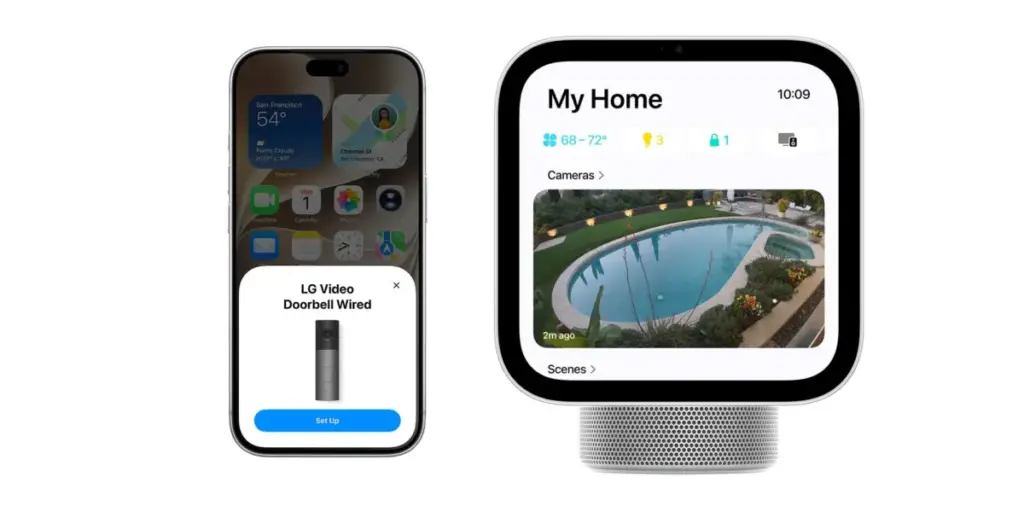

However, this ignores the "convenience tax" that has long defined Apple’s most successful product lines. Consumers have proven time and again that they are willing to pay more for a product that guarantees a lack of frustration. In the context of a smart home, "frustration" isn’t just a minor annoyance; it is the reason people give up on the technology entirely. A smart light that requires a hub reboot once a week is a light that eventually gets replaced by a "dumb" one.
By controlling the hardware-software integration more tightly through the Apple Home Collection, Apple is offering a version of the smart home that is insulated from the typical points of failure. For the busy parent or the non-technical homeowner, the extra $50 or $100 spent on a device is a small price to pay for the assurance that they will never have to act as their own IT support.
The Path Toward Mass Adoption
The smart home industry has spent years trying to convince the public that they need automation. We have seen marketing campaigns focused on the novelty of changing light colors or the security of seeing a porch pirate in 4K. But the industry has spent far less time addressing the fear of the technology—the fear that it will be too hard to set up, too hard to maintain, and too easy to break.
The Apple Home Collection is a direct assault on that fear. It acknowledges that for most people, the barrier to entry isn’t a lack of interest, but a lack of patience for technical friction. If Apple can successfully convince the broader public that adding a smart lock or a security camera is as easy as pairing a pair of headphones, the market for these devices will expand exponentially.
We are likely entering a new phase of the smart home era. The first phase was defined by the pioneers and the DIYers. The second phase was defined by the "hub wars" and the struggle for interoperability. This third phase, catalyzed by the Apple Home Collection, may well be defined by invisibility. The technology is finally reaching a point where it can recede into the background, functioning as a reliable utility rather than a demanding hobby.
While the "geeks" may continue to scoff at the price tags and the lack of complex customization options, the "normies" are likely to vote with their wallets. For the first time, the dream of a truly effortless smart home feels like it is within reach for everyone, not just those who know how to navigate a router’s admin panel. If the Apple Home Collection succeeds, it won’t be because it did something new, but because it finally made the existing technology easy enough for the rest of the world to use.
 Smart Home & IoT Solutions
Apple Set to Unveil "HomeView" Smart Hub with iMac G4-Inspired Design and A18 Chip at Upcoming "Welcome Home" Event
Apple is preparing to make its most significant leap into the smart...
 Smart Home & IoT Solutions
Apple Ties New AI-Powered Home Security Features to Premium 2TB iCloud+ Subscription Tier
As Apple continues to integrate its sophisticated "Apple Intelligence" suite across its...
 Smart Home & IoT Solutions
Controller for HomeKit Introduces "Just Say It" AI Feature to Streamline Complex Smart Home Automations
The landscape of smart home management is undergoing a significant transformation as...







