
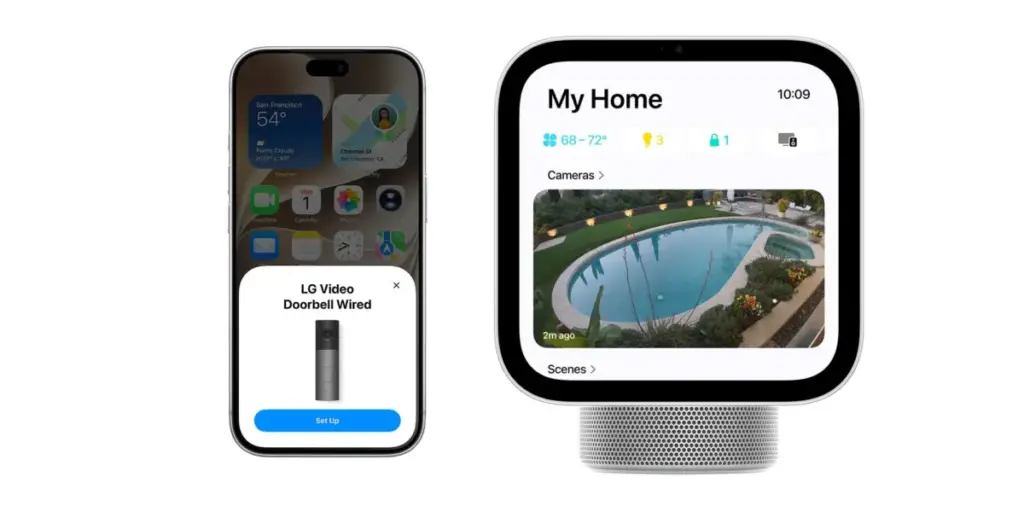
While Matter and Thread have undoubtedly improved the landscape, they have not yet achieved the "it just works" level of simplicity that the average consumer demands. Setting up a Matter device still involves scanning QR codes, ensuring the device is in the correct pairing mode, and occasionally dealing with network timeouts. While significantly better than the old ways, it is still a process that requires a degree of intentionality and tech-savviness. It is a refinement of the existing model, rather than a reinvention of the experience.
The "AirPods Moment" for the Smart Home
This brings us to the Apple Home Collection. The core innovation here isn’t a new type of camera lens or a more sensitive motion sensor; it is the fundamental redesign of the onboarding experience. For the first time, Apple is bringing the seamless, proximity-based pairing logic of the AirPods to the stationary hardware of the home.
When Apple released the original AirPods, they didn’t just sell a pair of wireless headphones; they sold the end of the Bluetooth pairing nightmare. By simply opening the case near an iPhone, the device was instantly recognized and configured across all of the user’s Apple devices. The Apple Home Collection applies this same philosophy to home infrastructure.
Early hands-on reports suggest that the difference in user experience is transformative. Ajay Kumar of CNET recently observed a demonstration of the new system, noting how an Apple representative was able to pair and register a new smart home device instantly, without even pausing her conversation. The process involves simply bringing an iPhone close to the new hardware. There are no manual "pairing modes," no searching for hidden buttons with a paperclip, and no navigating through nested menus in a third-party app.
As Kumar noted, the setup was so intuitive that it felt more like a background task than a technical hurdle. For a "normie"—a consumer who likes the idea of a smart home but is intimidated by the prospect of technical troubleshooting—this is the most compelling argument for adoption that has ever been made. It moves the smart home from the category of "project" to the category of "appliance."
Why Price is Secondary to Peace of Mind
The primary criticism of the Apple Home Collection remains its cost. When compared to budget-friendly options available on Amazon, the Apple-branded LG and Schneider devices carry a significant premium. In the eyes of a tech enthusiast, paying double for a doorbell that performs the same basic functions seems irrational.
 Smart Home & IoT Solutions
Apple Set to Unveil "HomeView" Smart Hub with iMac G4-Inspired Design and A18 Chip at Upcoming "Welcome Home" Event
Apple is preparing to make its most significant leap into the smart...
 Smart Home & IoT Solutions
Abode Expands Smart Home Ecosystem with New Apple Home-Compatible Outdoor and Garage Sensors
The landscape of DIY home security continues to evolve as homeowners seek...
 Smart Home & IoT Solutions
IRobot Re-emerges Under New Ownership with Ambitious Eight-Model Roomba Lineup Following Bankruptcy
In a significant turn of events for the consumer robotics industry, iRobot,...







