
In the rapidly evolving world of consumer technology, it is often difficult for enthusiasts and early adopters to remember that they exist within a specialized "tech bubble." For those who have spent the last decade—or in some cases, several decades—tinkering with smart home protocols, soldering connections, or navigating the complexities of early X10 industry standards, the latest developments in home automation can sometimes feel like incremental updates. However, for the average consumer, the barrier to entry for a truly connected home has remained stubbornly high.
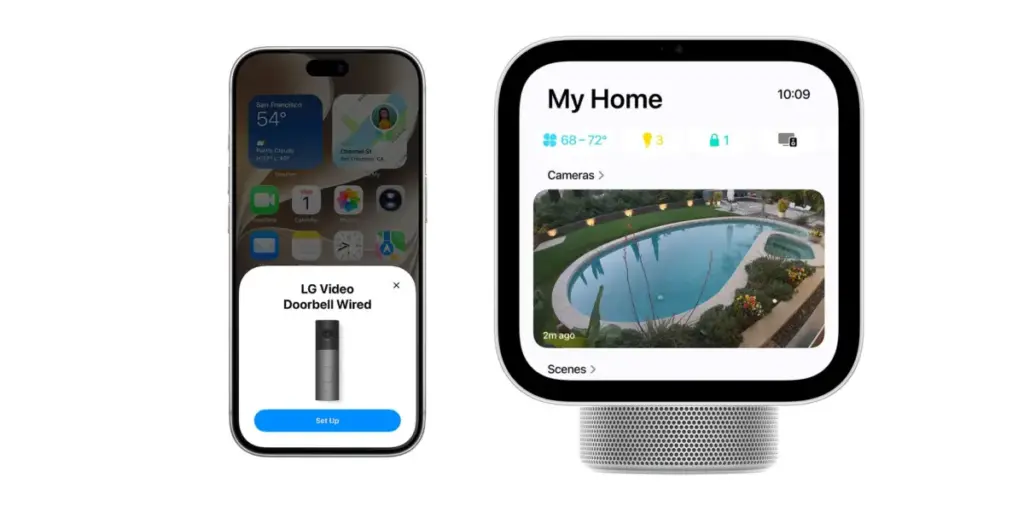
The recent unveiling of the Apple Home Collection, a curated suite of smart home accessories developed in close collaboration with industry giants LG and Schneider Electric, has sparked a wave of skepticism among the tech-savvy. Critics have pointed to the significantly higher price points of these devices, noting that they do not appear to offer radical new features compared to existing, lower-cost alternatives. Yet, this perspective may be missing the forest for the trees. By focusing on the hardware specifications alone, critics overlook the most significant hurdle to mass-market adoption: the user experience.
The Apple Home Collection represents a fundamental shift in how smart home technology is deployed and managed. It moves away from the "hobbyist" model of home automation and toward an "appliance" model, where the complexity of networking and configuration is entirely abstracted away from the end user.
The Limitations of the HomeKit Era
To understand why the Apple Home Collection is a potential turning point, one must look back at the trajectory of Apple’s smart home ambitions. When HomeKit was first introduced, it was hailed as a revolutionary step toward unifying a fragmented market. The promise was simple: a single app to control everything, a strict set of security standards, and the convenience of Siri integration. The HomeKit badge on a product box was meant to be a guarantee of quality and compatibility.
In practice, however, the reality often fell short of the vision. During the early years, setting up a HomeKit-enabled device was frequently a multi-stage ordeal. Users often had to download a manufacturer’s proprietary third-party app to perform initial firmware updates or configuration before the device could even be recognized by Apple’s Home app. This "bridge" requirement created a disjointed experience that felt less like a cohesive ecosystem and more like a collection of disparate gadgets forced to talk to one another.
Furthermore, the technical requirements Apple imposed on manufacturers were stringent, leading to a slower rate of adoption among hardware makers. While the Amazon Alexa and Google Home ecosystems flourished by prioritizing quantity and low cost, HomeKit remained a boutique option with a much smaller catalog of compatible devices. For many users, the process of troubleshooting a "No Response" error in the Home app made them feel less like homeowners and more like unpaid network engineers, constantly rebooting routers and resetting hubs to maintain basic functionality.
The Role of Matter and Thread
 Smart Home & IoT Solutions
Apple Prepares for Major Smart Home Expansion as Siri AI Sets the Stage for New Hardware
For the better part of the last decade, Apple’s presence in the...
 Smart Home & IoT Solutions
Abode Expands Smart Home Ecosystem with New Apple Home-Compatible Outdoor and Garage Sensors
The landscape of DIY home security continues to evolve as homeowners seek...
 Smart Home & IoT Solutions
Apple Prepares Major Smart Home Overhaul as Apple Intelligence Breathes New Life into Siri
For several years, Apple’s presence in the smart home market has been...







