
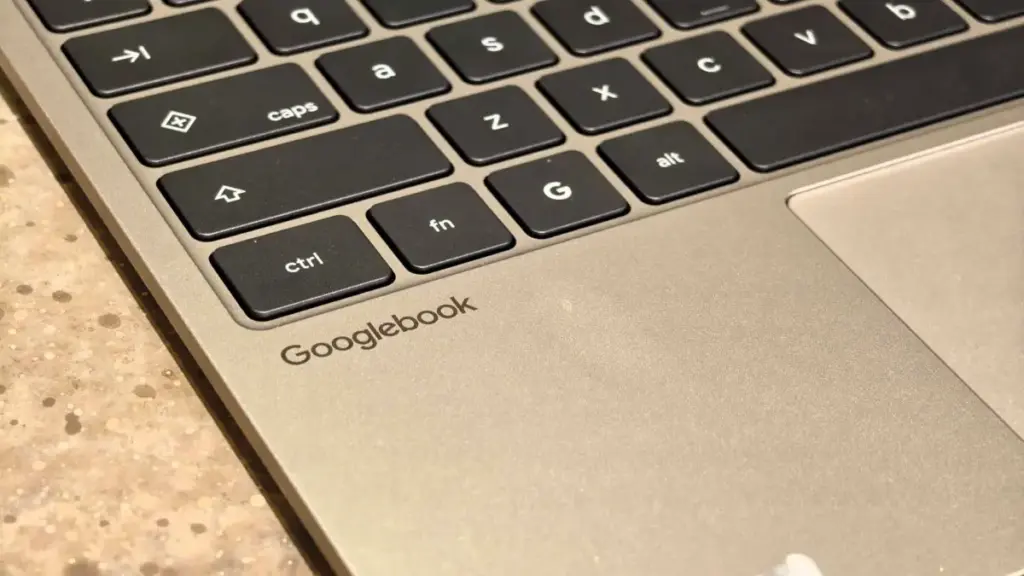
When Google officially pulled the curtain back on the Googlebook, the tech giant promised a new era of synergy between the Android operating system and its flagship computing hardware. The vision was clear: a seamless, frictionless transition between a user’s pocket and their desk. However, for a significant portion of the Android faithful—specifically those within the massive Samsung Galaxy ecosystem—that vision remained frustratingly out of reach at launch. Today, that narrative is beginning to shift as Google finally addresses the integration hurdles that have sidelined Samsung users, rolling out the highly anticipated "Better Together" features to Galaxy smartphones.
The delay in support for Samsung devices was particularly conspicuous given the long-standing and deeply intertwined partnership between Google and Samsung. As the largest manufacturer of Android devices globally, Samsung represents the primary gateway through which millions of users experience the Android ecosystem. To launch a flagship hardware product like the Googlebook without day-one parity for the Galaxy line was seen by many industry observers as a significant oversight. Google, acknowledging the gap shortly after the device’s release, promised that a fix would arrive within weeks. With the latest updates to Google Play services and the underlying Android framework, that promise is finally being realized.
What you need to know
The core of this update lies in the "Better Together" suite, a collection of cross-device functionalities designed to make the Googlebook feel like a natural extension of an Android phone rather than a standalone peripheral. For Samsung users, the absence of these features meant missing out on the Googlebook’s most compelling selling points. The rollout, which was first detailed by noted technical analyst Mishaal Rahman on Reddit, represents more than just a simple patch; it is a fundamental synchronization of software versions that allows the laptop and the phone to communicate with the depth of integration Google originally envisioned.
The primary draw for the Googlebook remains its deep, low-latency integration with mobile hardware. Among the features now becoming available to Galaxy owners is "Cast My Apps," a sophisticated streaming protocol that allows users to project and interact with mobile applications directly on the Googlebook’s larger display. This goes beyond simple screen mirroring, allowing for independent window management and the use of the laptop’s keyboard and trackpad to navigate mobile-only software.
Furthermore, the "Continue On" feature is now being enabled for supported Samsung devices. This handoff capability allows users to start a task—such as browsing a specific webpage or drafting a document—on their phone and pick up exactly where they left off on the Googlebook with a single click. When combined with "Notification Sync" and "Quick Access" to phone files, the update effectively eliminates the need for users to constantly reach for their handsets while working on their laptops.
However, the path to this integration requires specific software prerequisites that highlight the cutting-edge nature of the Googlebook platform. To take full advantage of these features, Samsung Galaxy owners must be running One UI 9.0, which is built upon the Android 17 architecture. This requirement underscores the technical complexity of the "Better Together" framework, as it relies on deep system-level APIs that are only present in the most recent iterations of the Android operating system.
 Mobile Device Management (MDM) & Mobile OS
RayNeo GT Arrives to Shake Up the Competitive $300 Smart Glasses Market with Enhanced Ergonomics and 3DoF Tracking
The landscape of augmented reality and wearable displays is moving at a...
 Mobile Device Management (MDM) & Mobile OS
The Evolution of Ultra-Compact Power: UGREEN and Rolling Square Redefine the 65W GaN Charger Market
The landscape of mobile power and charging accessories has undergone a radical...
 Mobile Device Management (MDM) & Mobile OS
Meta Enhances Creator Toolkit with AI-Powered Edits Assistant for Instagram Performance Analysis
In an era where the creator economy is increasingly driven by data-driven...







