
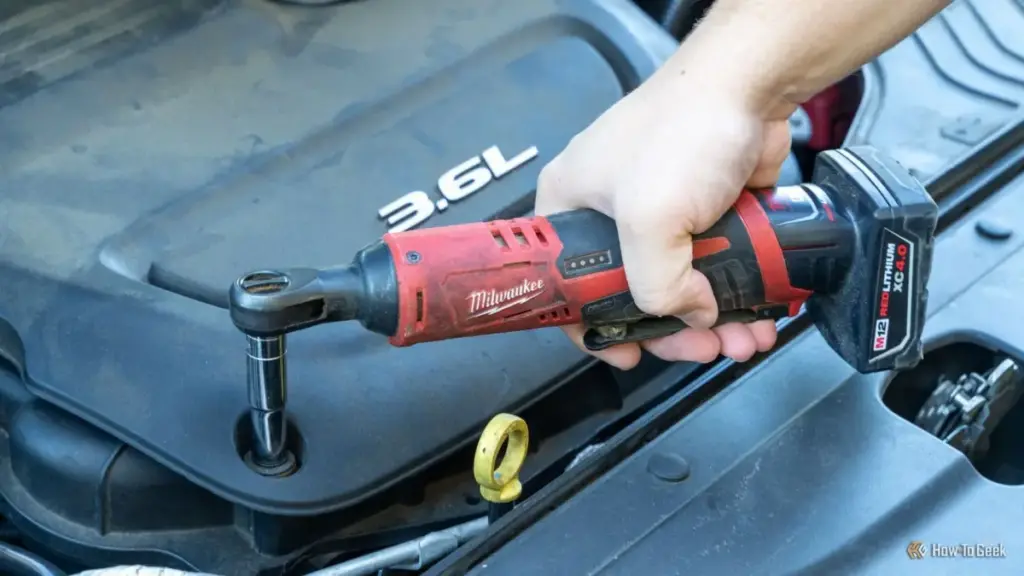
In the modern landscape of construction and woodworking, the corded power tool is rapidly becoming a relic of the past. Leading the charge in this wireless revolution is Milwaukee Tool, a brand that has successfully positioned its M18 and M12 platforms as the gold standard for professional contractors and serious DIY enthusiasts alike. The convenience of "unplugging" is undeniable; it eliminates trip hazards, reduces setup time, and allows for unprecedented mobility on complex job sites. However, as the cordless market matures, a critical question has begun to emerge among savvy consumers: is the premium price of a battery-powered tool always justified by its performance?
Milwaukee’s M18 FUEL lineup is widely respected for its durability and the strength of its battery ecosystem. Yet, a closer look at the current market suggests that for certain specific tools, the "red tax"—the premium paid for the Milwaukee name and battery compatibility—may be reaching a point of diminishing returns. While cordless technology makes sense for high-mobility tools like drills and impact drivers, its application in other categories often results in a tool that is significantly more expensive than its competitors without offering a proportional increase in utility or finish quality. In many cases, the high price tag is less about the tool’s mechanical superiority and more about the proprietary battery platform and brand prestige.
Going cordless doesn’t make sense for a sander
One of the most prominent examples of this price-to-value disparity is the Milwaukee M18 FUEL 5-inch Random Orbital Sander. Marketed toward cabinetmakers, trim carpenters, and contractors who require a high degree of mobility, this tool features Milwaukee’s signature POWERSTATE brushless motor. It offers a five-speed selector capable of reaching between 6,000 and 12,000 orbits per minute (OPM). On paper, the specs are impressive. The 3/32-inch orbit diameter is designed to provide a fine finish with minimal swirl marks, and the inclusion of VACLINK Bluetooth technology allows the sander to communicate with a dust extractor, turning it on automatically when the trigger is pulled.
However, the financial reality of the tool is difficult to ignore. Listed at approximately $189 as a bare tool, the M18 sander sits at a significantly higher price point than many of its rivals. For comparison, a similar 5-inch sander setup from Makita—a brand equally respected in the professional space—often retails for around $128. For a user who is not already committed to the M18 battery ecosystem, the entry price for this single tool becomes exorbitant once the cost of a charger and a high-capacity battery is factored in.
Dust hoses keep you tied down anyway
Beyond the sticker price, there is a functional argument against the necessity of a cordless sander. The primary appeal of cordless technology is freedom of movement, yet a finishing sander is almost never used in a vacuum—both literally and figuratively. Proper sanding requires consistent dust collection to protect the user’s health and ensure a clean finish. This means that in nearly every professional scenario, the sander is tethered to a vacuum hose.
If a tool is already "corded" to a dust extractor, the addition of an electric power cord adds very little inconvenience. Most modern dust extractors even feature a "power tool actuated" outlet, where the vacuum turns on when it senses the corded tool drawing power—performing the exact same task as Milwaukee’s Bluetooth VACLINK, but without the need for expensive sensors or batteries. Furthermore, the weight of an M18 battery can actually hinder the ergonomics of a tool that requires a light, steady touch. For a tool that spends most of its life on a workbench next to a power outlet, the $189 price tag feels less like an investment in productivity and more like a surcharge for a luxury that provides little practical benefit.
The hidden costs of the M18 Compact Router
The Milwaukee M18 FUEL Compact Router is another tool that receives high marks for performance but fails the value test when compared to the broader market. This trim router is a powerhouse in its class, delivering roughly 1.25 horsepower and featuring a variable speed range of 10,000 to 31,000 RPM. With its dual LED lights and tool-free spindle lock, it is designed for precision and ease of use, particularly when working with hardwoods like maple or oak.
 Tech Tutorials & How-To Guides
Beyond the Brand: Why Even Premium Power Drills Fail Due to Common Operational Habits
In the modern landscape of home improvement and professional construction, the cordless...
 Tech Tutorials & How-To Guides
Exploring the Frontiers of the Unknown: Three Essential Science Fiction Films to Stream on Netflix This Weekend
As the autumn of 2026 unfolds, the digital landscape of the American...
 Tech Tutorials & How-To Guides
Essential Roadside Resilience: Why Modern Drivers are Turning to Portable Battery-Powered Solutions
The modern driving experience is often defined by a sense of seamless...







