
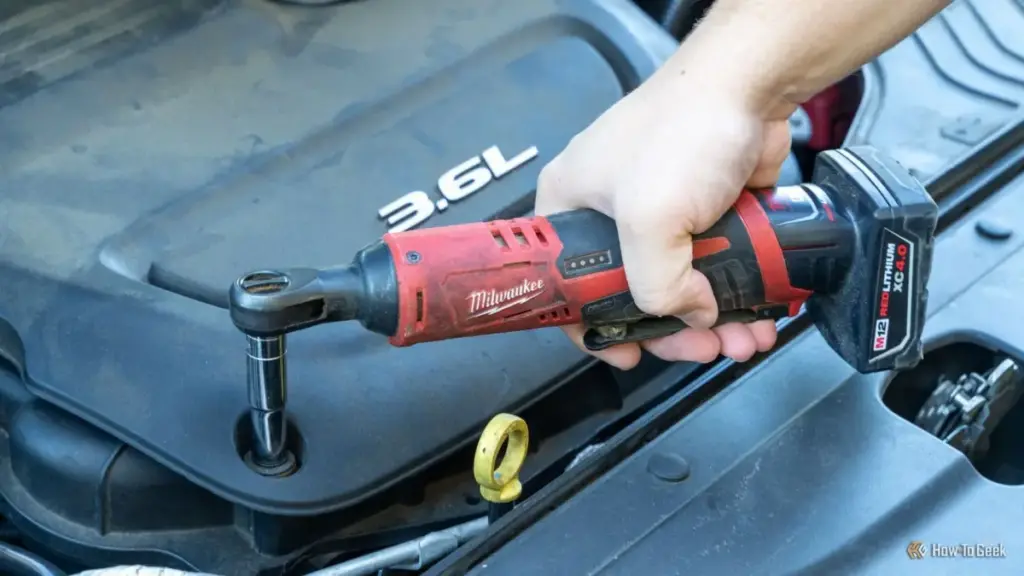
In the modern landscape of construction and woodworking, the corded power tool is rapidly becoming a relic of the past. Leading the charge in this wireless revolution is Milwaukee Tool, a brand that has successfully positioned its M18 and M12 platforms as the gold standard for professional contractors and serious DIY enthusiasts alike. The convenience of "unplugging" is undeniable; it eliminates trip hazards, reduces setup time, and allows for unprecedented mobility on complex job sites. However, as the cordless market matures, a critical question has begun to emerge among savvy consumers: is the premium price of a battery-powered tool always justified by its performance?
Milwaukee’s M18 FUEL lineup is widely respected for its durability and the strength of its battery ecosystem. Yet, a closer look at the current market suggests that for certain specific tools, the "red tax"—the premium paid for the Milwaukee name and battery compatibility—may be reaching a point of diminishing returns. While cordless technology makes sense for high-mobility tools like drills and impact drivers, its application in other categories often results in a tool that is significantly more expensive than its competitors without offering a proportional increase in utility or finish quality. In many cases, the high price tag is less about the tool’s mechanical superiority and more about the proprietary battery platform and brand prestige.
Going cordless doesn’t make sense for a sander
One of the most prominent examples of this price-to-value disparity is the Milwaukee M18 FUEL 5-inch Random Orbital Sander. Marketed toward cabinetmakers, trim carpenters, and contractors who require a high degree of mobility, this tool features Milwaukee’s signature POWERSTATE brushless motor. It offers a five-speed selector capable of reaching between 6,000 and 12,000 orbits per minute (OPM). On paper, the specs are impressive. The 3/32-inch orbit diameter is designed to provide a fine finish with minimal swirl marks, and the inclusion of VACLINK Bluetooth technology allows the sander to communicate with a dust extractor, turning it on automatically when the trigger is pulled.
However, the financial reality of the tool is difficult to ignore. Listed at approximately $189 as a bare tool, the M18 sander sits at a significantly higher price point than many of its rivals. For comparison, a similar 5-inch sander setup from Makita—a brand equally respected in the professional space—often retails for around $128. For a user who is not already committed to the M18 battery ecosystem, the entry price for this single tool becomes exorbitant once the cost of a charger and a high-capacity battery is factored in.
Dust hoses keep you tied down anyway
Beyond the sticker price, there is a functional argument against the necessity of a cordless sander. The primary appeal of cordless technology is freedom of movement, yet a finishing sander is almost never used in a vacuum—both literally and figuratively. Proper sanding requires consistent dust collection to protect the user’s health and ensure a clean finish. This means that in nearly every professional scenario, the sander is tethered to a vacuum hose.
If a tool is already "corded" to a dust extractor, the addition of an electric power cord adds very little inconvenience. Most modern dust extractors even feature a "power tool actuated" outlet, where the vacuum turns on when it senses the corded tool drawing power—performing the exact same task as Milwaukee’s Bluetooth VACLINK, but without the need for expensive sensors or batteries. Furthermore, the weight of an M18 battery can actually hinder the ergonomics of a tool that requires a light, steady touch. For a tool that spends most of its life on a workbench next to a power outlet, the $189 price tag feels less like an investment in productivity and more like a surcharge for a luxury that provides little practical benefit.
The hidden costs of the M18 Compact Router
The Milwaukee M18 FUEL Compact Router is another tool that receives high marks for performance but fails the value test when compared to the broader market. This trim router is a powerhouse in its class, delivering roughly 1.25 horsepower and featuring a variable speed range of 10,000 to 31,000 RPM. With its dual LED lights and tool-free spindle lock, it is designed for precision and ease of use, particularly when working with hardwoods like maple or oak.

Despite these features, the pricing strategy remains a point of contention. The bare tool is frequently listed at $177. In the highly competitive 20V/18V market, this is a steep ask. For instance, DeWalt’s 20V MAX XR Brushless Compact Router, which enjoys a stellar reputation for its depth-adjustment mechanism and ergonomics, is often available for as low as $130 at major retailers.
You need to buy the plunge base separately
The true "hidden cost" of the Milwaukee router becomes apparent when a user looks to expand its capabilities. While the tool comes with a fixed round base, many essential woodworking tasks—such as cutting stopped dados, mortising for hinges, or performing intricate inlay work—require a plunge base. Unlike some competitors who offer more inclusive kits, Milwaukee sells its plunge base as a separate accessory for approximately $149.
When you combine the cost of the bare tool and the necessary plunge base, the total investment exceeds $300, and that is before a single battery is added to the equation. For a trim router, this price point approaches the territory of specialized, high-end stationary routers. While the M18 FUEL Compact Router is undoubtedly a high-performing piece of equipment, the "ala carte" pricing model makes it a difficult recommendation for those who need a versatile, all-in-one routing solution.
The technical shortcomings of the M18 Cordless Multi-Tool
Perhaps the most controversial entry in the M18 lineup is the standard Cordless Multi-Tool (non-FUEL version). In an era where brushless technology has become the industry standard for high-performance tools, this particular model continues to utilize an older brushed motor design. This is a significant drawback; brushed motors are inherently less efficient, generating more internal friction and heat, which ultimately results in shorter runtimes and a shorter overall lifespan for the tool.
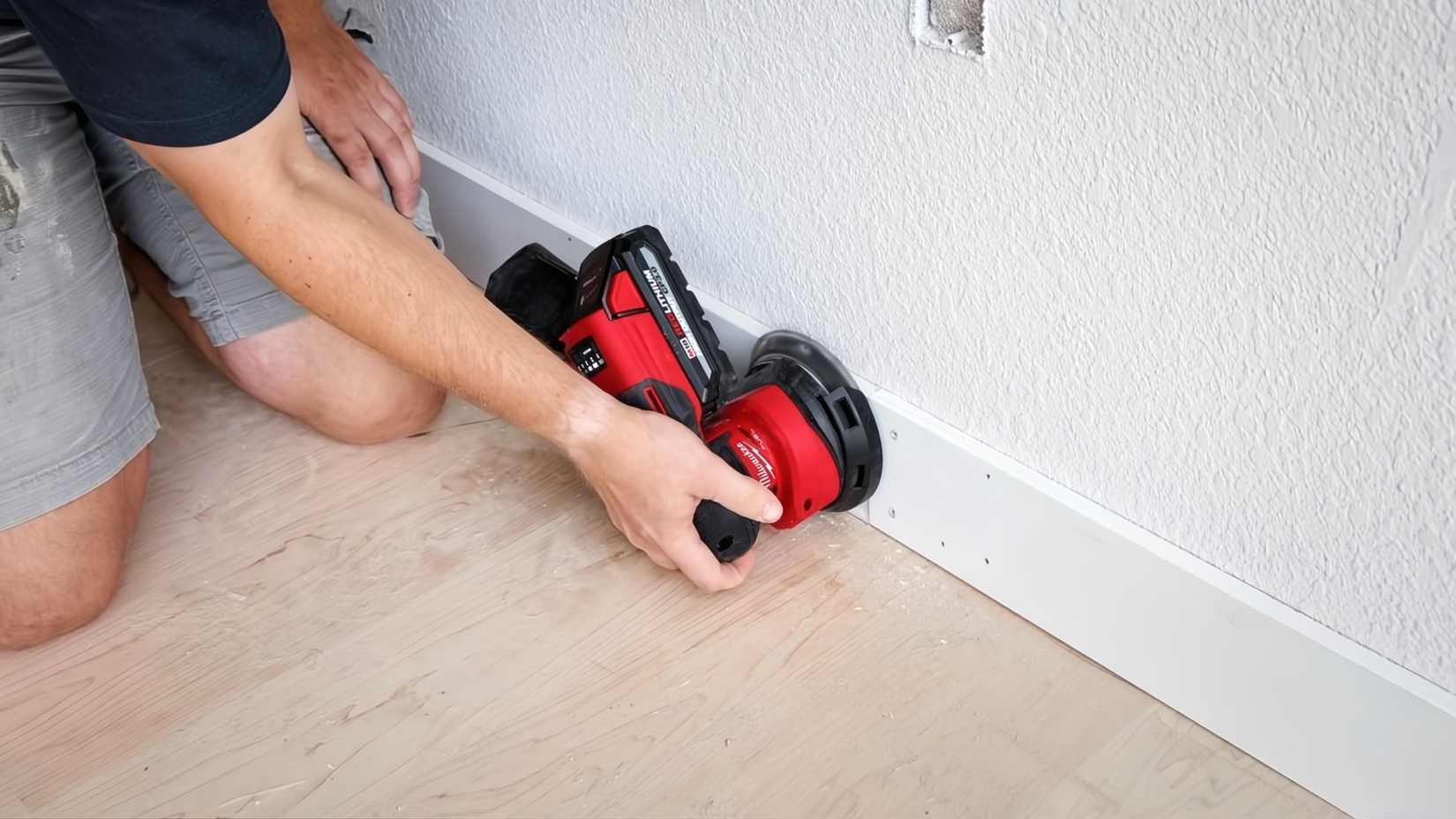
The mechanical limitations extend to the user experience as well. Operating between 11,000 and 18,000 OPM, the tool lacks any significant vibration dampening. This means that the high-frequency "buzz" of the oscillating head is transferred directly into the user’s hands and wrists. For professionals who use a multi-tool for extended periods—such as during tile removal or floor undercutting—this can lead to significant fatigue and long-term discomfort.
The cheap vibration buzz goes right into your hands
The pricing for this older technology is particularly hard to justify. Retailing for around $149 as a bare tool, it faces stiff competition from both high-end and budget-friendly alternatives. For example, a brushless cordless multi-tool from a brand like Bauer can be purchased for roughly $40. While many users are hesitant to "cross-pollinate" their battery platforms, the $110 price difference is massive, especially when the more expensive Milwaukee option is using inferior motor technology. For a tool that is often used for "rough-in" work or quick demolition, paying a premium for a brand name while sacrificing modern brushless efficiency is a trade-off that few financial advisors would recommend.
Good features don’t justify the wild price tag on this jig saw
The Milwaukee M18 FUEL Jig Saw is a D-handle powerhouse designed to replace corded alternatives in the kits of carpenters and remodelers. It is a feature-rich tool, boasting a 1-inch stroke length, 3,500 strokes per minute, and a four-position orbital action selector. It also includes thoughtful additions like a tool-less blade clamp, a built-in dust blower, and an LED light to illuminate the cut line.
However, the tool’s $229 list price places it in a different atmospheric level compared to its primary competition. DeWalt’s 20V MAX XR equivalent, which is frequently cited by professionals for its accuracy and balance, can often be found for $141. Even within the premium tool segment, a nearly $90 price gap is difficult to bridge with features alone.
A battery platform won’t change how your cuts look
The fundamental issue with a high-priced cordless jigsaw is that the quality of the work is rarely determined by the battery. The precision of a jigsaw cut is a product of the blade quality, the stroke speed, and the user’s ability to follow a line. Whether that power comes from a Milwaukee M18 battery or a DeWalt 20V battery is largely irrelevant to the finished product.
Furthermore, some users have reported minor play in the blade clamp of the M18 FUEL model—a quirk that might be forgivable on a $100 tool, but is much harder to overlook on a $229 "professional grade" instrument. At this price point, consumers are paying for the convenience of staying within the Milwaukee ecosystem, rather than for a tangible leap in cutting performance or accuracy.
Assessing the "Red Tax" in a Competitive Market
It is important to clarify that Milwaukee is not a "bad" brand; in fact, it remains one of the most innovative and reliable manufacturers in the power tool industry. The M18 platform is a marvel of modern engineering, and for high-torque tools like impact wrenches, circular saws, and hammer drills, the investment is almost always worth it. The brand’s commitment to durability and its extensive service network provide a peace of mind that budget brands cannot match.
However, the tools highlighted above suggest that Milwaukee’s market dominance has allowed for a pricing structure that occasionally loses touch with the actual value provided. For professionals who are "married" to the M18 system, the convenience of using one charger and one battery type may outweigh the extra cost. But for the homeowner or the contractor looking to maximize their tool budget, it is essential to remember that brand loyalty has its limits. In the world of power tools, the best choice isn’t always the one that matches the color of the batteries you already own; sometimes, the best choice is the one that offers the best performance for a fair price.
 Tech Tutorials & How-To Guides
Beyond the Brand: Why Even Premium Power Drills Fail Due to Common Operational Habits
In the modern landscape of home improvement and professional construction, the cordless...
 Tech Tutorials & How-To Guides
Five Highly Rated Comedy Series on Netflix for Quick and Easy Viewing
In the modern landscape of streaming, where "prestige television" often demands dozens...
 Tech Tutorials & How-To Guides
The Evolution of Mobile Audio: Why Your Smartphone is a Professional-Grade Microphone in Disguise
In the modern era of digital content creation, the barrier to entry...







