

Despite these features, the pricing strategy remains a point of contention. The bare tool is frequently listed at $177. In the highly competitive 20V/18V market, this is a steep ask. For instance, DeWalt’s 20V MAX XR Brushless Compact Router, which enjoys a stellar reputation for its depth-adjustment mechanism and ergonomics, is often available for as low as $130 at major retailers.
You need to buy the plunge base separately
The true "hidden cost" of the Milwaukee router becomes apparent when a user looks to expand its capabilities. While the tool comes with a fixed round base, many essential woodworking tasks—such as cutting stopped dados, mortising for hinges, or performing intricate inlay work—require a plunge base. Unlike some competitors who offer more inclusive kits, Milwaukee sells its plunge base as a separate accessory for approximately $149.
When you combine the cost of the bare tool and the necessary plunge base, the total investment exceeds $300, and that is before a single battery is added to the equation. For a trim router, this price point approaches the territory of specialized, high-end stationary routers. While the M18 FUEL Compact Router is undoubtedly a high-performing piece of equipment, the "ala carte" pricing model makes it a difficult recommendation for those who need a versatile, all-in-one routing solution.
The technical shortcomings of the M18 Cordless Multi-Tool
Perhaps the most controversial entry in the M18 lineup is the standard Cordless Multi-Tool (non-FUEL version). In an era where brushless technology has become the industry standard for high-performance tools, this particular model continues to utilize an older brushed motor design. This is a significant drawback; brushed motors are inherently less efficient, generating more internal friction and heat, which ultimately results in shorter runtimes and a shorter overall lifespan for the tool.
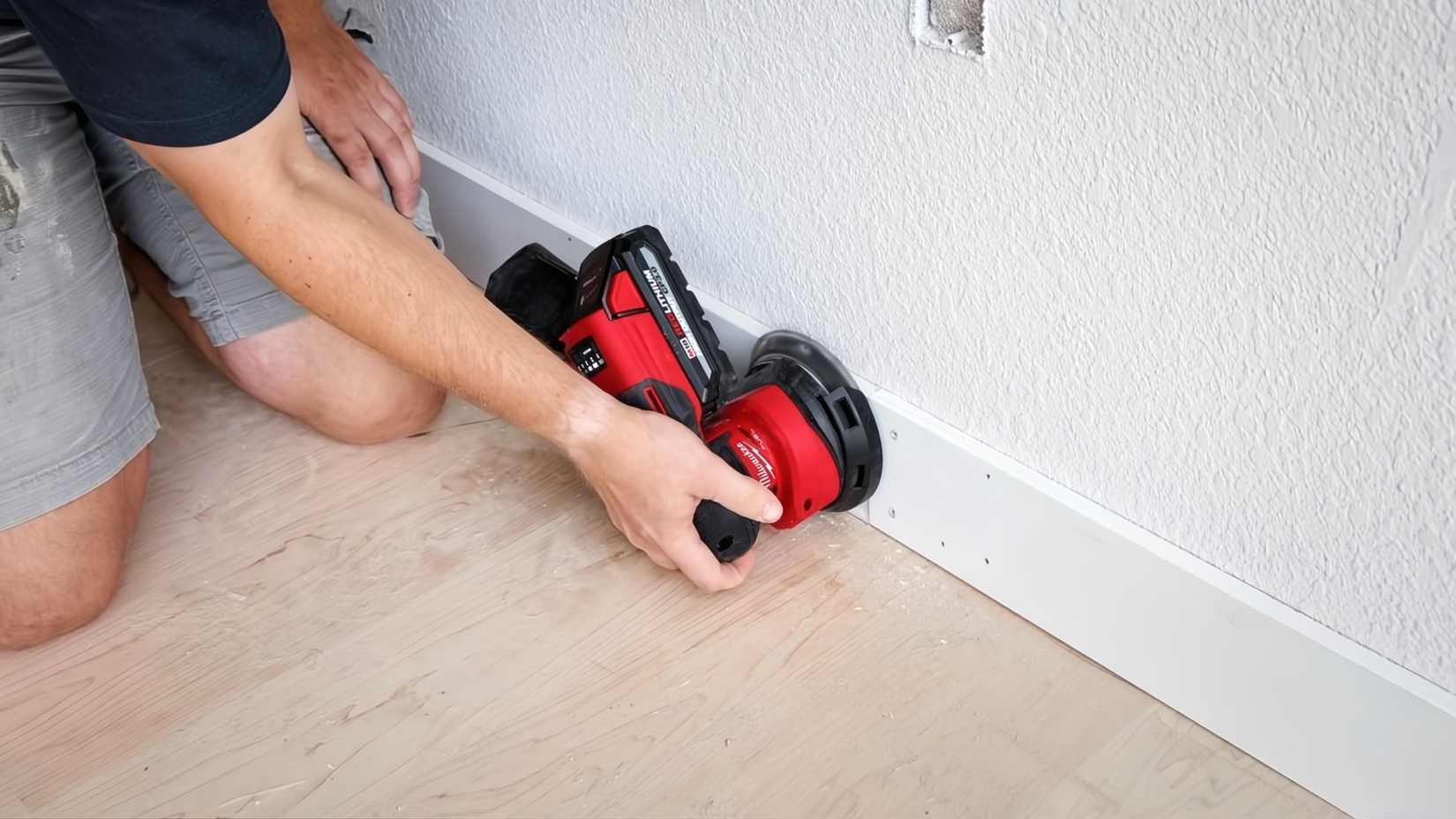
The mechanical limitations extend to the user experience as well. Operating between 11,000 and 18,000 OPM, the tool lacks any significant vibration dampening. This means that the high-frequency "buzz" of the oscillating head is transferred directly into the user’s hands and wrists. For professionals who use a multi-tool for extended periods—such as during tile removal or floor undercutting—this can lead to significant fatigue and long-term discomfort.
The cheap vibration buzz goes right into your hands
The pricing for this older technology is particularly hard to justify. Retailing for around $149 as a bare tool, it faces stiff competition from both high-end and budget-friendly alternatives. For example, a brushless cordless multi-tool from a brand like Bauer can be purchased for roughly $40. While many users are hesitant to "cross-pollinate" their battery platforms, the $110 price difference is massive, especially when the more expensive Milwaukee option is using inferior motor technology. For a tool that is often used for "rough-in" work or quick demolition, paying a premium for a brand name while sacrificing modern brushless efficiency is a trade-off that few financial advisors would recommend.
 Tech Tutorials & How-To Guides
From Satire to Slapstick: A Curated Selection of Netflix Comedies to Cure the Workday Blues
In the modern professional landscape, the transition from a high-stress office environment...
 Tech Tutorials & How-To Guides
Reliability Without the Premium Price: The Evolution of Affordable Multi-Tools for Modern Everyday Carry
The concept of "Everyday Carry," or EDC, has evolved from a niche...
 Tech Tutorials & How-To Guides
The Case for the Cathode Ray Tube: Why Your Old Monitor is a Treasure, Not Trash
In an era defined by ultra-thin OLED panels, 4K resolutions, and refresh...







