
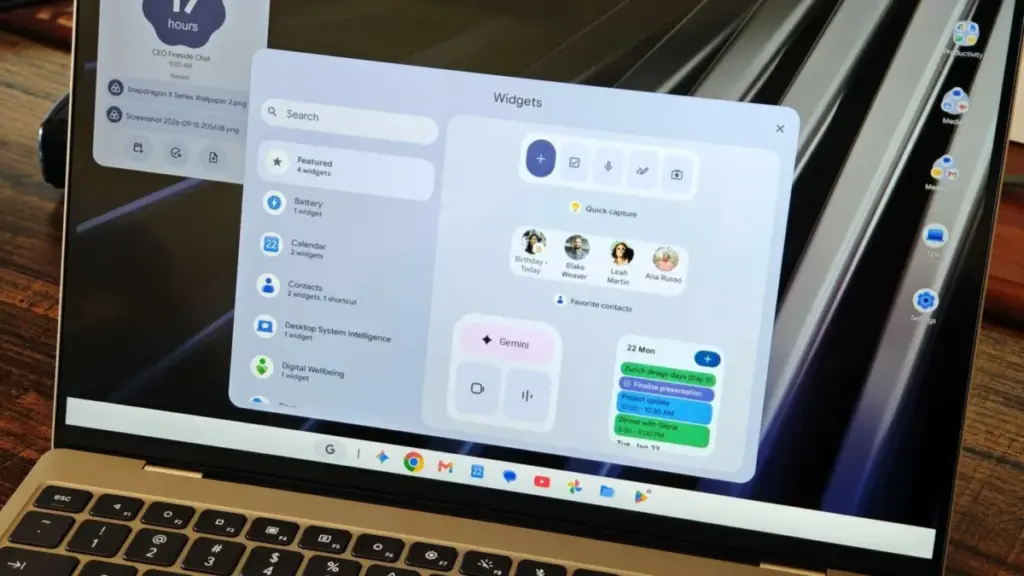
The highly anticipated launch of the Googlebook has arrived, marking a significant milestone in Google’s ongoing efforts to bridge the gap between mobile versatility and desktop productivity. As consumers begin to receive their units this week, a new layer of complexity has emerged regarding one of the platform’s most touted features: its ability to run Android applications. While the Googlebook is designed to be the definitive home for the Google ecosystem, the company has recently confirmed that the experience may not be uniform across all hardware configurations.
The revelation came following inquiries into how the various processor architectures within the Googlebook family handle the vast library of the Google Play Store. In a statement addressing the technical nuances of the new devices, Google acknowledged that not every Googlebook is created equal when it comes to software execution. Specifically, models equipped with Intel processors may encounter difficulties with certain Android applications, a challenge rooted in the fundamental differences between mobile and desktop silicon architectures.
This development highlights a long-standing hurdle in the tech industry: the translation of software across different instruction sets. Because the overwhelming majority of Android applications were built and optimized for ARM-based chips—the architecture found in nearly every modern smartphone—running those same apps on Intel’s x86 architecture requires a level of software intervention that can occasionally result in performance discrepancies.
The Technical Divide: Intel vs. Qualcomm
According to Google, the hardware diversity within the Googlebook launch lineup is the primary factor behind the varying levels of app support. The current market rollout includes devices from several major manufacturers, but they are split between two very different internal engines. The Googlebook models produced by Acer, ASUS, and Lenovo are powered by the Intel Core Ultra 5 processor. Conversely, the offerings from HP and Dell utilize Qualcomm’s Snapdragon X Elite, which is based on the ARM architecture.
"A small handful of complex apps or games need some developer tuning to run their best on Intel-based platforms," a Google spokesperson stated. This admission clarifies that while the Google Play Store is technically available on all Googlebook devices, the "out-of-the-box" experience for high-performance apps may differ depending on the chip inside the chassis.
The company was quick to reassure potential buyers that this issue affects only a minority of the software available. Google advised that the "vast majority of Android apps run smoothly," regardless of whether a user chooses an Intel-based or Qualcomm-based Googlebook. Nevertheless, the distinction is critical for power users and gamers who rely on specific, resource-intensive applications that may not yet be fully optimized for Intel’s latest silicon.
 Mobile Device Management (MDM) & Mobile OS
Samsung Accelerates Exynos 2700 Production Amid Strategic Shifts for the Galaxy S27 Series
Samsung’s semiconductor division is reportedly entering a critical phase of its roadmap...
 Mobile Device Management (MDM) & Mobile OS
The Evolution of Ultra-Compact Power: UGREEN and Rolling Square Redefine the 65W GaN Charger Market
The landscape of mobile power and charging accessories has undergone a radical...
 Mobile Device Management (MDM) & Mobile OS
Google Expands Certified Refurbished Program to Include Pixel 9 Series with Significant Price Cuts
Google has officially expanded its hardware offerings in the United States by...







