
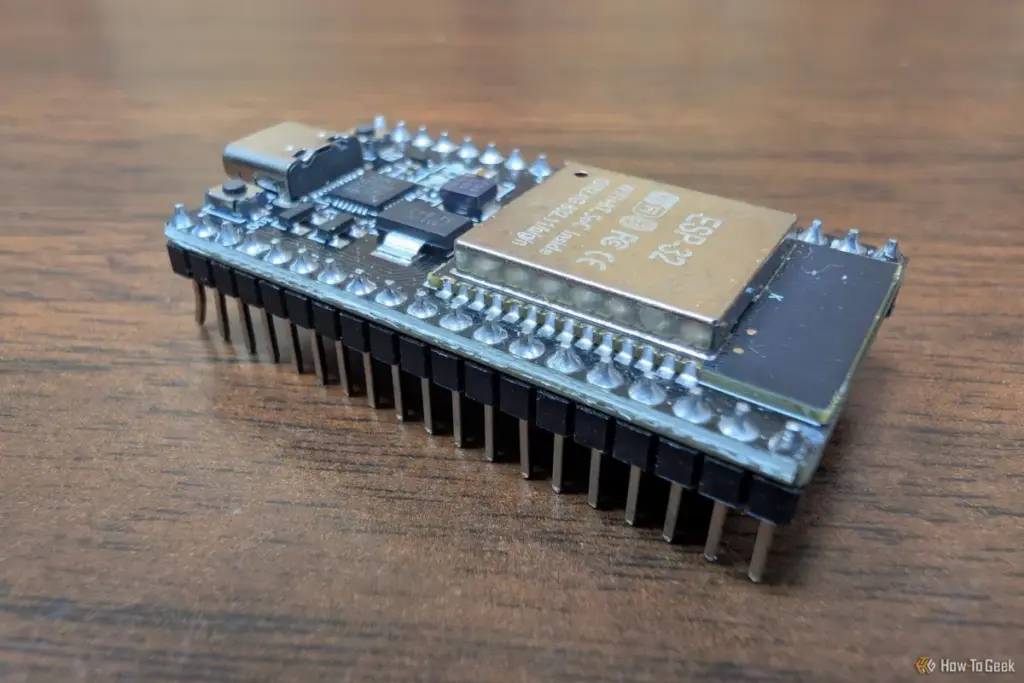
The landscape of the modern smart home is often dominated by a few massive ecosystems, where convenience frequently comes at the cost of privacy and long-term hardware support. However, a growing community of enthusiasts and engineers is turning toward a more modular, open-source approach centered on the ESP32 microcontroller. These boards, characterized by their affordability and integrated connectivity—including Wi-Fi, Bluetooth, and increasingly, Thread and Zigbee support—have become the bedrock of a DIY movement that prioritizes local control and customization.
For many homeowners, the entry point into home automation involves purchasing "plug-and-play" devices that require constant internet connectivity and proprietary apps. The alternative, utilizing the ESP32, offers a different path: one where the user owns the data and the logic. Because these boards are inexpensive, they serve as ideal platforms for experimental projects. Even if a specific implementation fails to meet expectations, the hardware remains a versatile asset that can be wiped and repurposed for an entirely different task, representing a sustainable and cost-effective approach to domestic technology.
By integrating these microcontrollers with platforms like Home Assistant and ESPHome, users can create sophisticated, specialized devices that often outperform their commercial counterparts. Here are four significant projects that demonstrate how the ESP32 can be used to solve common household frustrations while maintaining a secure, locally managed ecosystem.
A Sunrise Alarm That Wakes You With Light Instead of Noise
The traditional morning routine for millions of people begins with the jarring, repetitive chime of a digital alarm clock. This sudden acoustic shock is designed to force the brain into consciousness, but it often results in "sleep inertia," a state of grogginess that can persist long after leaving the bed. To combat this, makers are increasingly turning to the concept of the sunrise alarm, a device that uses light to gently transition the body from sleep to wakefulness.
By combining an ESP32 with an addressable LED strip and the open-source WLED software, users can create a lighting system that mimics the natural progression of the sun. Unlike standard light bulbs, which may only offer a simple on-off state or basic dimming, addressable LED strips—specifically those using RGBW (Red, Green, Blue, and Dedicated White) technology—allow for a nuanced color spectrum. This is crucial for a convincing sunrise simulation, as the sequence should ideally begin with deep, warm reds and oranges, gradually shifting toward a bright, cool white that signals the start of the day.
The biological premise behind these devices is rooted in the human circadian rhythm. Studies have suggested that gradual light exposure in the morning can suppress melatonin production and increase cortisol levels more naturally than a sound-based alarm. When integrated into a smart home via Home Assistant, the ESP32-based sunrise alarm can be synchronized with a smartphone’s "next alarm" sensor. This allows the light to begin its 20-to-60-minute "rise" automatically, ensuring the peak brightness coincides exactly with the desired wake-up time. The result is a more pleasant, less intrusive start to the day that works with the body’s natural chemistry rather than against it.
 Tech Tutorials & How-To Guides
The Untapped Power of the ESP32: Why Your Bluetooth Proxy Is Only Reaching a Fraction of Its Potential
In the rapidly evolving landscape of the modern smart home, the ESP32...
 Tech Tutorials & How-To Guides
The Evolution of Mobile Audio: Why Your Smartphone is a Professional-Grade Microphone in Disguise
In the modern era of digital content creation, the barrier to entry...
 Tech Tutorials & How-To Guides
Beyond the Drill: How Ryobi’s ONE+ Ecosystem is Redefining the Modern Home and Workshop
For decades, the image of a cordless power tool was tethered strictly...







