
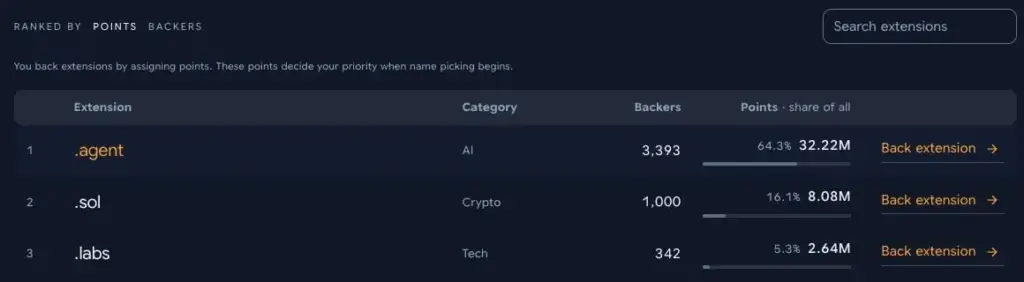
In a strategic move to reshape how new top-level domains (TLDs) are introduced to the market, the domain industry innovator D3 has announced the launch of Frontier. This new platform is designed to serve as a bridge between early-interest registrants and the registries that will eventually manage the next wave of internet extensions. By creating a structured environment for pre-orders, D3 intends to solve one of the most persistent challenges in the domain name industry: accurately gauging market demand before a TLD is fully operational, while simultaneously ensuring that the most dedicated users have a fair opportunity to secure high-value digital real estate.
The launch of Frontier comes at a pivotal time for the global domain ecosystem. As the industry prepares for the next major expansion of the internet’s root zone, both registries and registrants are seeking more efficient ways to navigate the complexities of new TLD rollouts. D3’s new platform aims to simplify this process by identifying which extensions carry the most significant market momentum and helping registrants secure their preferred names before they reach the stage of general availability.
A Multi-Phased Approach to Domain Allocation
The core of the Frontier platform is built around a proprietary "points" system, which functions as a proxy for user interest and commitment. Rather than a traditional first-come, first-served model—which can often lead to "land grabs" by automated bots—D3 has implemented a two-phase process designed to prioritize genuine demand and strategic interest.
In the initial phase, users are invited to pledge their Frontier points at the TLD level. This stage serves as a high-level popularity contest, allowing D3 and prospective registries to see which extensions are generating the most buzz. During this period, users do not select specific second-level domains (the "example" in "example.com"); instead, they signal their support for the extension itself (the ".com" portion). This data is invaluable for registries, providing them with a clear "leaderboard" of interest that can influence how they approach the eventual launch of the extension.
The second phase of the Frontier process moves from the general to the specific. Once participating TLDs are identified, name-level selection is opened to the community. At this point, a user can select the specific second-level domain they wish to register. To formalize their interest, the user commits a portion of their points to that specific name and sets a maximum first-year registration price they are willing to pay. This creates a commitment-based queue that balances a user’s "loyalty" or "activity" (represented by points) with their economic valuation of the domain.
The Mechanics of the Frontier Registration Period
One of the most innovative aspects of the Frontier platform is the "double-blind" allocation system used during what D3 calls the Frontier Registration Period. This period is strategically positioned within the standard ICANN-mandated startup process. According to the platform’s design, the Frontier phase occurs after the "Sunrise" period—the time during which trademark holders have the exclusive right to register their marks—but before the "Early Access Phase" and "General Availability" open to the public.
 Web Hosting & Domain Management
Domain Registrants Face Looming Deadline as Verisign Prepares to Increase .Com Pricing on November 1
The global market for .com domain names is approaching a significant financial...
 Web Hosting & Domain Management
Public Interest Registry Names TECHO as .Org of the Year at Annual Impact Awards in Washington, D.C.
The Public Interest Registry, the long-standing non-profit organization responsible for managing and...
 Web Hosting & Domain Management
The Hidden Economy of Expired Domains: Analyzing the June SEO Auction High-Rollers
In the specialized world of domain name investing, a high sale price...






