
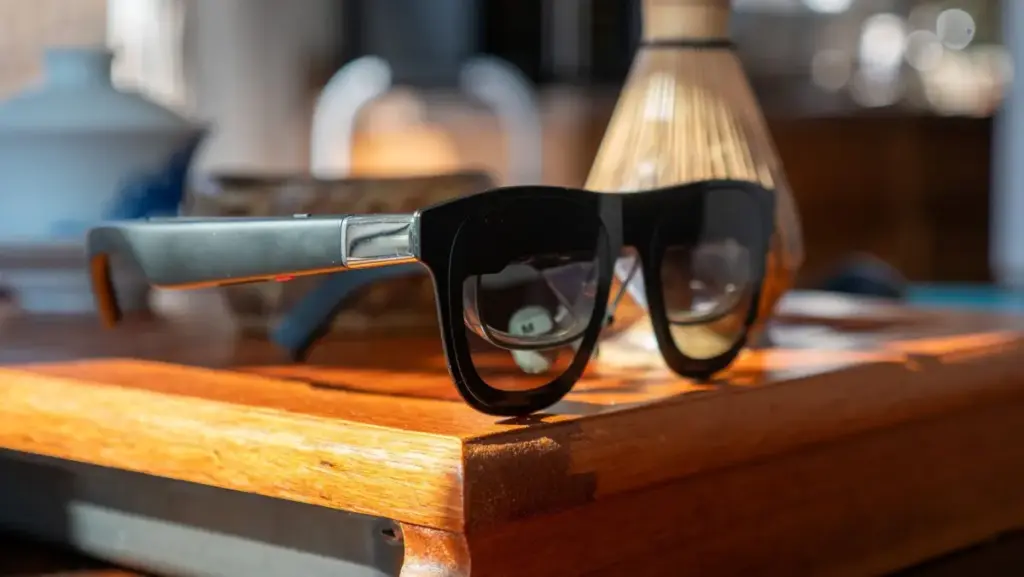
At the heart of the Xreal One Pro’s visual performance is Sony’s micro-OLED display technology. This is a critical component that distinguishes high-end AR glasses from lower-cost alternatives. Micro-OLED panels allow for incredible pixel density and contrast ratios, ensuring that text is sharp enough for reading and colors are vibrant enough for cinematic experiences. The glasses support a refresh rate of up to 120Hz, a feature that is particularly vital for the gaming community. High refresh rates reduce motion blur and input lag, providing the fluid visual feedback necessary for fast-paced action titles on platforms like the Steam Deck or ROG Ally.
Powering the spatial capabilities of the hardware is Xreal’s proprietary X1 spatial computing chip. This silicon is dedicated to managing the complex mathematics of 3DoF (three degrees of freedom) tracking. This tracking ensures that the virtual screen can remain stabilized in space relative to the user’s head movements, reducing the likelihood of motion sickness and creating a more natural viewing experience. Xreal claims that the X1 chip achieves an ultra-low latency of just 3ms, a technical achievement that ensures the virtual environment responds almost instantaneously to the user’s physical presence.
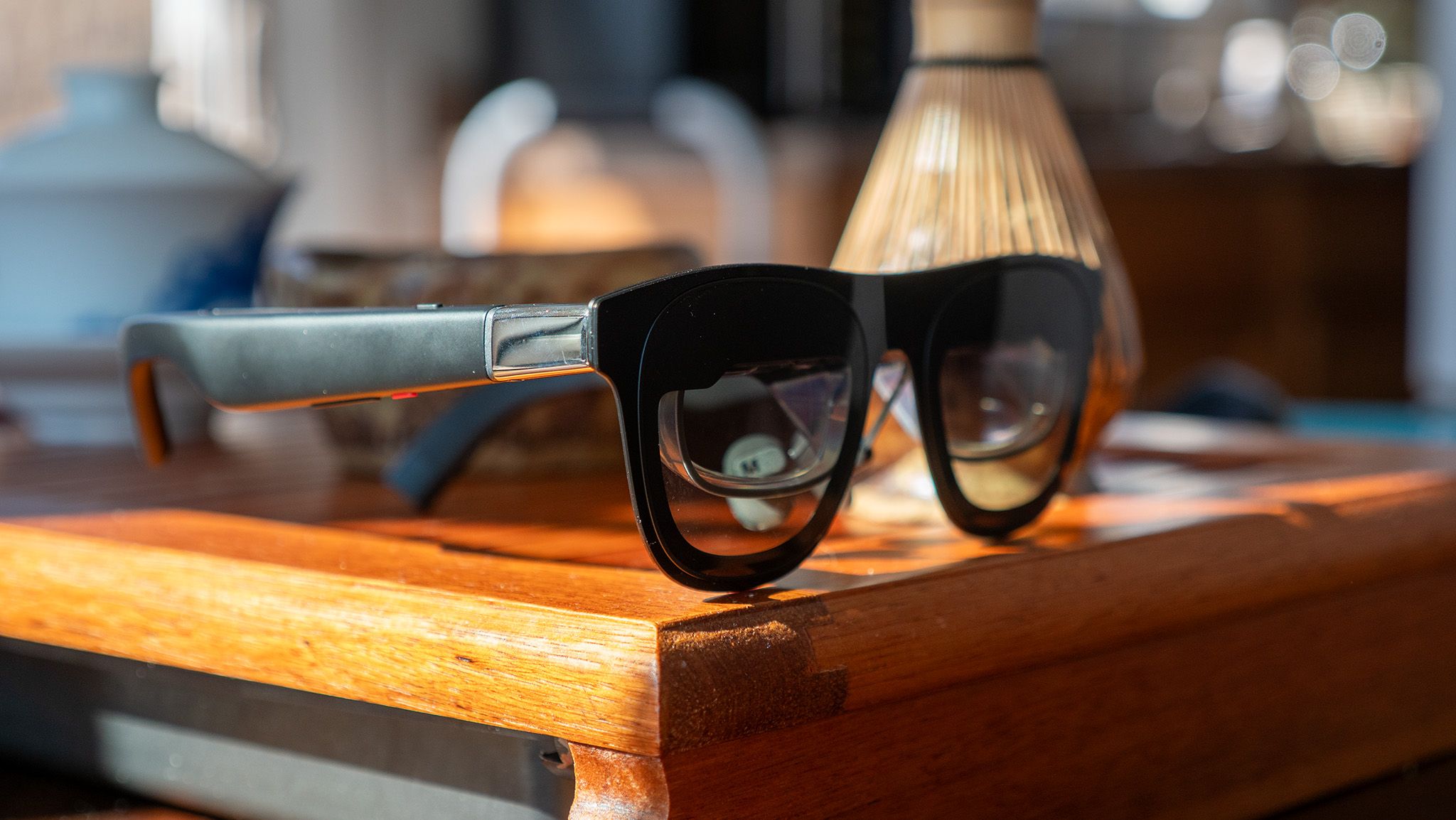
The optical engine within the One Pro is engineered to simulate a massive 171-inch display as if it were viewed from a distance of approximately four meters. This "virtual theater" effect is achieved through a sophisticated series of lenses and prisms that fold the light from the micro-OLED panels into the user’s field of vision. Despite the scale of the image it produces, the hardware itself remains remarkably compact. The glasses are designed to be lightweight enough for extended wear, and they can be easily stowed in a small backpack or even a large jacket pocket, making them significantly more portable than even the smallest portable monitors or tablets.
Compatibility is perhaps the strongest selling point for the Xreal One Pro. Unlike proprietary ecosystems that lock users into a specific set of services, these glasses are designed to function as a universal display peripheral. They utilize a standard USB-C connection that supports video output (DisplayPort Alt Mode). This makes them compatible with a vast array of modern hardware, including the latest iPhone 15 and 16 series, a wide variety of flagship Android smartphones, and popular gaming handhelds like the Lenovo Legion Go. Furthermore, both MacBook and Windows laptop users can utilize the glasses as a secondary or even primary monitor, which is particularly useful for maintaining privacy when working on sensitive documents in public spaces.
The user experience is further enhanced by a partnership with Bose to handle the integrated audio. Sound is a frequently overlooked aspect of the AR experience, but it is essential for total immersion. The "Sound by Bose" system built into the temples of the One Pro is designed to deliver clear, directional audio that is directed toward the user’s ears. This design allows for a degree of environmental awareness while minimizing sound leakage to those nearby. While many users may still prefer to pair the glasses with high-end noise-canceling earbuds for use on a noisy flight, the built-in Bose system provides a high-quality "grab-and-go" audio solution that eliminates the need for extra peripherals in quieter settings.
 Mobile Device Management (MDM) & Mobile OS
Beyond Simple Blocking: How AI-Powered Context is Redefining Digital Safety for the Modern Parent
In the contemporary landscape of parenting, the mandate to protect one’s children...
 Mobile Device Management (MDM) & Mobile OS
RayNeo GT Arrives to Shake Up the Competitive $300 Smart Glasses Market with Enhanced Ergonomics and 3DoF Tracking
The landscape of augmented reality and wearable displays is moving at a...
 Mobile Device Management (MDM) & Mobile OS
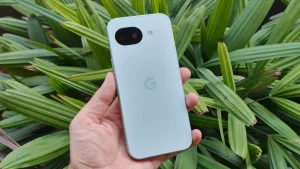
Google Implements Significant Price Hike for Pixel 10a, Reshaping the Mid-Range Smartphone Landscape
In a move that signals a shift in the value proposition of...







