
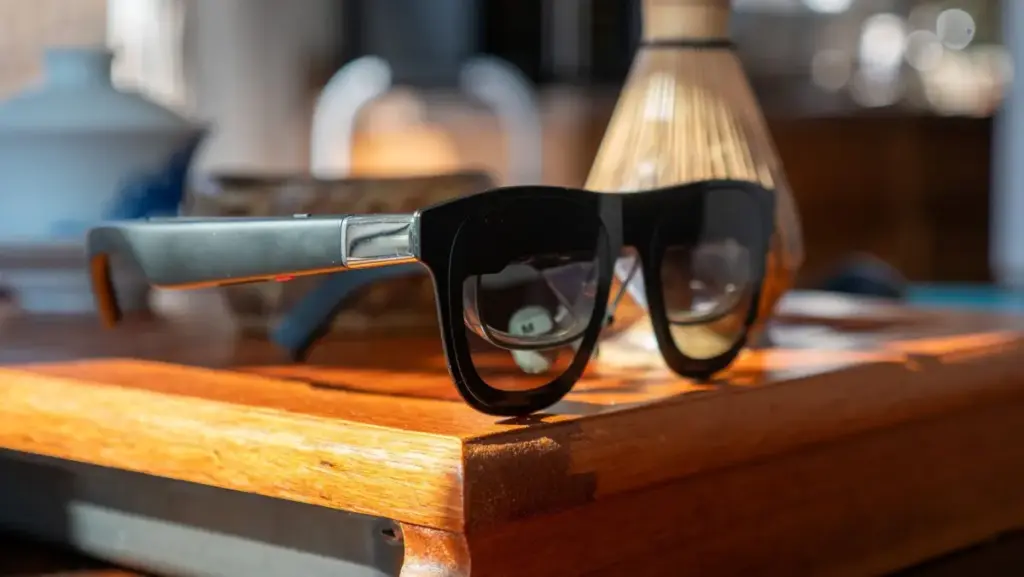
The landscape of personal entertainment and mobile productivity is undergoing a quiet but significant transformation, shifting away from the traditional constraints of physical monitors and handheld screens toward the immersive world of augmented reality. For those who have monitored this evolution with interest, the current retail environment is offering a compelling entry point. As part of the Prime Big Deal Days event, the Xreal One Pro smart glasses have seen a notable price reduction, now retailing for $549. This discount brings one of the industry’s most capable tethered AR solutions into a more accessible price bracket, offering a glimpse into a future where a massive, high-definition cinema can fit inside a pocket.
Xreal has established itself as a frontrunner in the specialized field of extended reality (XR) hardware, consistently pushing the boundaries of what is possible in a form factor that closely resembles traditional eyewear. While the company is currently generating headlines for its highly anticipated Project Aura Android XR glasses—a high-end device expected to command a premium price of approximately $1,279—the One Pro remains a cornerstone of its current lineup. The One Pro is designed for a specific use case: providing a high-fidelity, private, and portable display that serves as a virtual companion to the devices users already own.
The appeal of the Xreal One Pro lies in its ability to solve a fundamental problem of the modern mobile era. Despite the incredible processing power of contemporary smartphones, tablets, and handheld gaming consoles, users remain tethered to relatively small physical screens. The One Pro effectively breaks this limitation by projecting a virtual display that feels vast and immersive. At its current promotional price of $549, it represents a nearly 10% discount from its standard retail positioning, making it an attractive proposition for early adopters and tech enthusiasts who prioritize portability without wanting to wait for the more expensive, next-generation standalone units.
Recommended if: You are looking for a massive, high-quality private screen for consuming media, gaming on the go, or expanding your digital workspace while traveling. It is an ideal solution for those who frequently find themselves in environments where a physical monitor is impractical, such as airplanes, trains, or small apartments, and who own modern devices equipped with USB-C video output capabilities.
Skip this deal if: Your primary interest is in a fully standalone augmented reality experience with an independent operating system and built-in applications. The One Pro is a tethered device, meaning it requires a connection to a host source. Additionally, if your existing hardware lacks support for DisplayPort Alt Mode over USB-C, or if you are strictly seeking a wireless solution, this particular model may not meet your technical requirements.
At the heart of the Xreal One Pro’s visual performance is Sony’s micro-OLED display technology. This is a critical component that distinguishes high-end AR glasses from lower-cost alternatives. Micro-OLED panels allow for incredible pixel density and contrast ratios, ensuring that text is sharp enough for reading and colors are vibrant enough for cinematic experiences. The glasses support a refresh rate of up to 120Hz, a feature that is particularly vital for the gaming community. High refresh rates reduce motion blur and input lag, providing the fluid visual feedback necessary for fast-paced action titles on platforms like the Steam Deck or ROG Ally.
Powering the spatial capabilities of the hardware is Xreal’s proprietary X1 spatial computing chip. This silicon is dedicated to managing the complex mathematics of 3DoF (three degrees of freedom) tracking. This tracking ensures that the virtual screen can remain stabilized in space relative to the user’s head movements, reducing the likelihood of motion sickness and creating a more natural viewing experience. Xreal claims that the X1 chip achieves an ultra-low latency of just 3ms, a technical achievement that ensures the virtual environment responds almost instantaneously to the user’s physical presence.
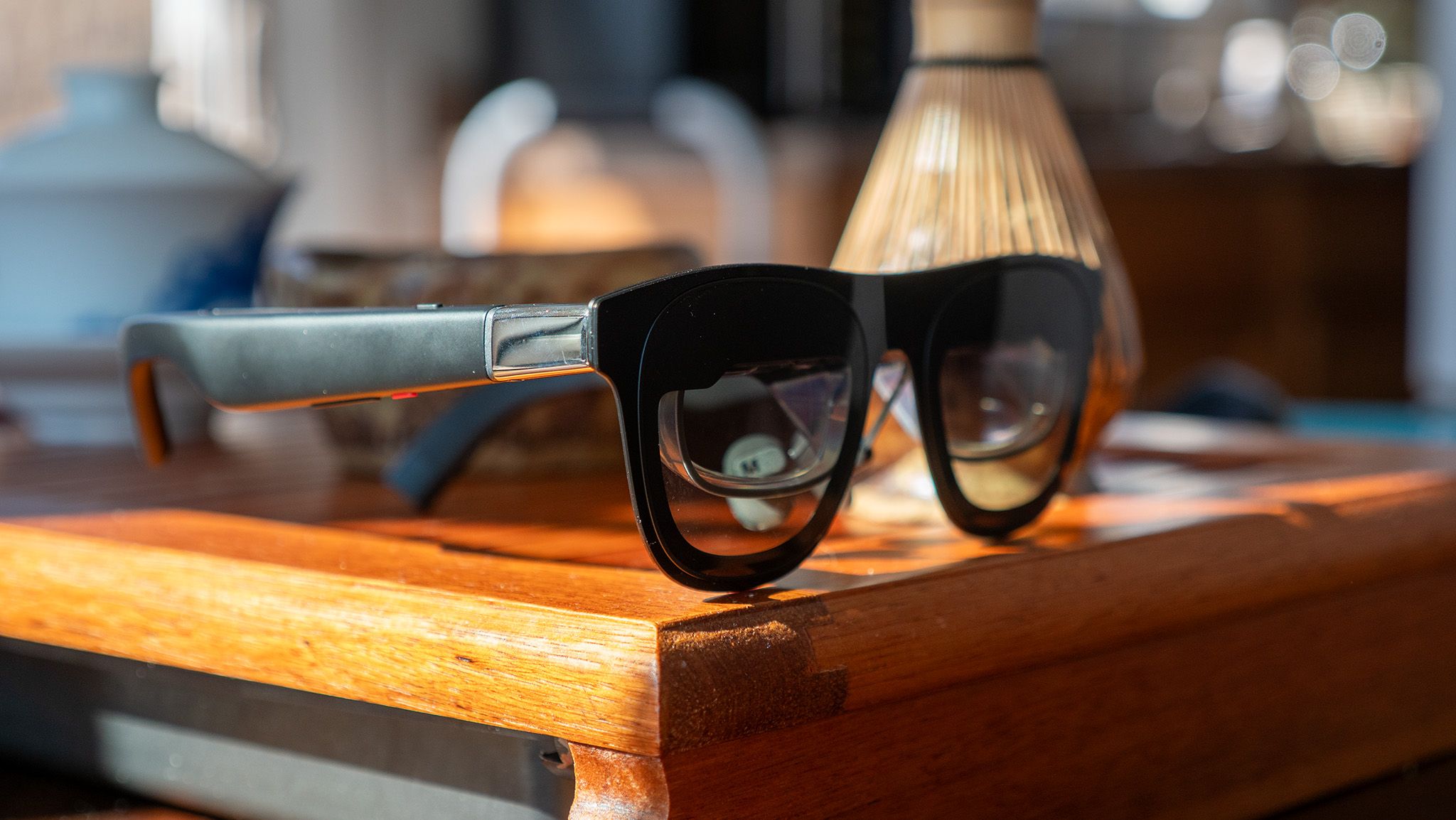
The optical engine within the One Pro is engineered to simulate a massive 171-inch display as if it were viewed from a distance of approximately four meters. This "virtual theater" effect is achieved through a sophisticated series of lenses and prisms that fold the light from the micro-OLED panels into the user’s field of vision. Despite the scale of the image it produces, the hardware itself remains remarkably compact. The glasses are designed to be lightweight enough for extended wear, and they can be easily stowed in a small backpack or even a large jacket pocket, making them significantly more portable than even the smallest portable monitors or tablets.
Compatibility is perhaps the strongest selling point for the Xreal One Pro. Unlike proprietary ecosystems that lock users into a specific set of services, these glasses are designed to function as a universal display peripheral. They utilize a standard USB-C connection that supports video output (DisplayPort Alt Mode). This makes them compatible with a vast array of modern hardware, including the latest iPhone 15 and 16 series, a wide variety of flagship Android smartphones, and popular gaming handhelds like the Lenovo Legion Go. Furthermore, both MacBook and Windows laptop users can utilize the glasses as a secondary or even primary monitor, which is particularly useful for maintaining privacy when working on sensitive documents in public spaces.
The user experience is further enhanced by a partnership with Bose to handle the integrated audio. Sound is a frequently overlooked aspect of the AR experience, but it is essential for total immersion. The "Sound by Bose" system built into the temples of the One Pro is designed to deliver clear, directional audio that is directed toward the user’s ears. This design allows for a degree of environmental awareness while minimizing sound leakage to those nearby. While many users may still prefer to pair the glasses with high-end noise-canceling earbuds for use on a noisy flight, the built-in Bose system provides a high-quality "grab-and-go" audio solution that eliminates the need for extra peripherals in quieter settings.
Environmental versatility is another area where the One Pro shows improvement over previous iterations of AR hardware. One of the historical challenges for AR glasses has been visibility in bright conditions, as the projected image can often appear washed out by ambient light. Xreal has addressed this by boosting the display brightness to a peak of 700 nits. While this does not entirely replace the need for a darkened room for the absolute best contrast, it makes the glasses much more usable in well-lit offices or near windows. For those who require total immersion, the glasses typically include or support light shields that can snap onto the front to block out the outside world entirely.
When placed in the context of Xreal’s broader product strategy, the One Pro occupies a vital middle ground. The company’s roadmap includes the aforementioned Project Aura, which is expected to bring a more robust "Android XR" experience. Those future glasses will likely feature more advanced sensors, standalone processing power, and a suite of AI-driven features, but they come with a price tag that exceeds a thousand dollars. For the vast majority of consumers who simply want a better way to watch Netflix on a plane or play Elden Ring in bed without waking a partner, the $549 One Pro provides nearly all the necessary utility at a fraction of the cost.
The current discount during Prime Big Deal Days highlights a growing trend in the consumer electronics market. As the hardware for AR becomes more refined and the components—such as Sony’s micro-OLEDs and custom spatial chips—become more efficient to produce, the "wearable display" category is moving from a niche novelty toward a mainstream productivity and entertainment tool. The Xreal One Pro is a prime example of this maturation, offering a polished, plug-and-play experience that leverages the devices users already carry in their pockets.
For those who have been hesitant to invest in the AR space due to concerns about weight, image quality, or device compatibility, the One Pro represents a significant step forward. It avoids the bulk of VR headsets like the Meta Quest while offering a far more immersive visual experience than standard smart glasses that lack high-resolution displays. As the Prime Big Deal Days event continues, this $549 offer stands as one of the more significant opportunities for tech-forward consumers to upgrade their mobile setup. Whether used for work, gaming, or cinema, the Xreal One Pro offers a glimpse into a future where the size of your screen is no longer limited by the size of your bag.
 Mobile Device Management (MDM) & Mobile OS
Samsung Accelerates Exynos 2700 Production Amid Strategic Shifts for the Galaxy S27 Series
Samsung’s semiconductor division is reportedly entering a critical phase of its roadmap...
 Mobile Device Management (MDM) & Mobile OS
Google Explores Enhanced Security for Chrome on Android with Biometric Password Reauthentication
The convenience of modern mobile browsing often rests on a delicate balance...
 Mobile Device Management (MDM) & Mobile OS
Meta Enhances Creator Toolkit with AI-Powered Edits Assistant for Instagram Performance Analysis
In an era where the creator economy is increasingly driven by data-driven...







