
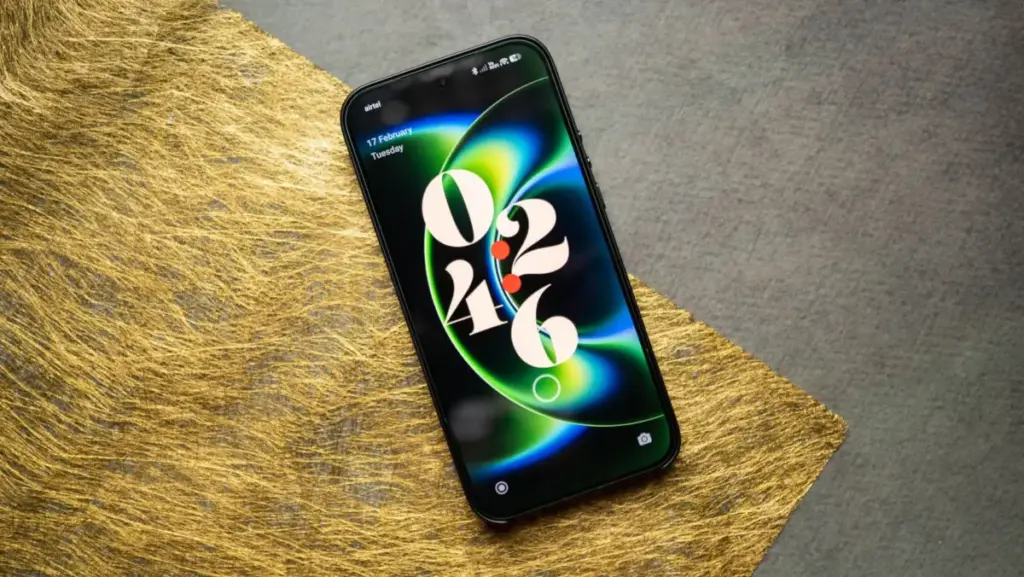
As the global smartphone market continues to shift its focus toward specialized hardware that enhances user security and personal data protection, Xiaomi has officially confirmed a significant technological milestone for its upcoming flagship lineup. The company recently revealed that the Xiaomi 18 Pro will debut with a sophisticated "smart privacy display," a hardware-integrated solution designed to prevent unauthorized viewing of screen content from side angles. This announcement follows closely on the heels of earlier confirmations regarding the series’ unique aesthetic features, including a secondary "magical" rear display, signaling that the Xiaomi 18 series aims to be one of the most innovative releases in the brand’s history.
The move to integrate privacy features directly into the display stack represents a growing trend among premium smartphone manufacturers who are looking to move beyond traditional software-based security. By addressing the physical vulnerability of "visual hacking"—the act of onlookers peering at a user’s screen in public spaces—Xiaomi is positioning the 18 Pro as a high-end tool for professionals, commuters, and privacy-conscious consumers alike.
A Hardware-Driven Approach to Visual Privacy
For years, users concerned with screen privacy have had to rely on third-party accessories, primarily adhesive or magnetic privacy filters. While effective at narrowing viewing angles, these screen protectors often come with significant drawbacks, including reduced touch sensitivity, diminished color accuracy, and a noticeable decrease in overall screen brightness. Xiaomi’s new "smart privacy screen" aims to eliminate these compromises by embedding the privacy functionality directly into the display hardware.
According to a series of teaser posts shared by Xiaomi on the Chinese social media platform Weibo, the Xiaomi 18 Pro’s display utilizes a specialized light-control layer within the OLED stack. This technology allows the screen to maintain high-fidelity output for the person directly in front of the device while aggressively limiting light emission at wider angles.
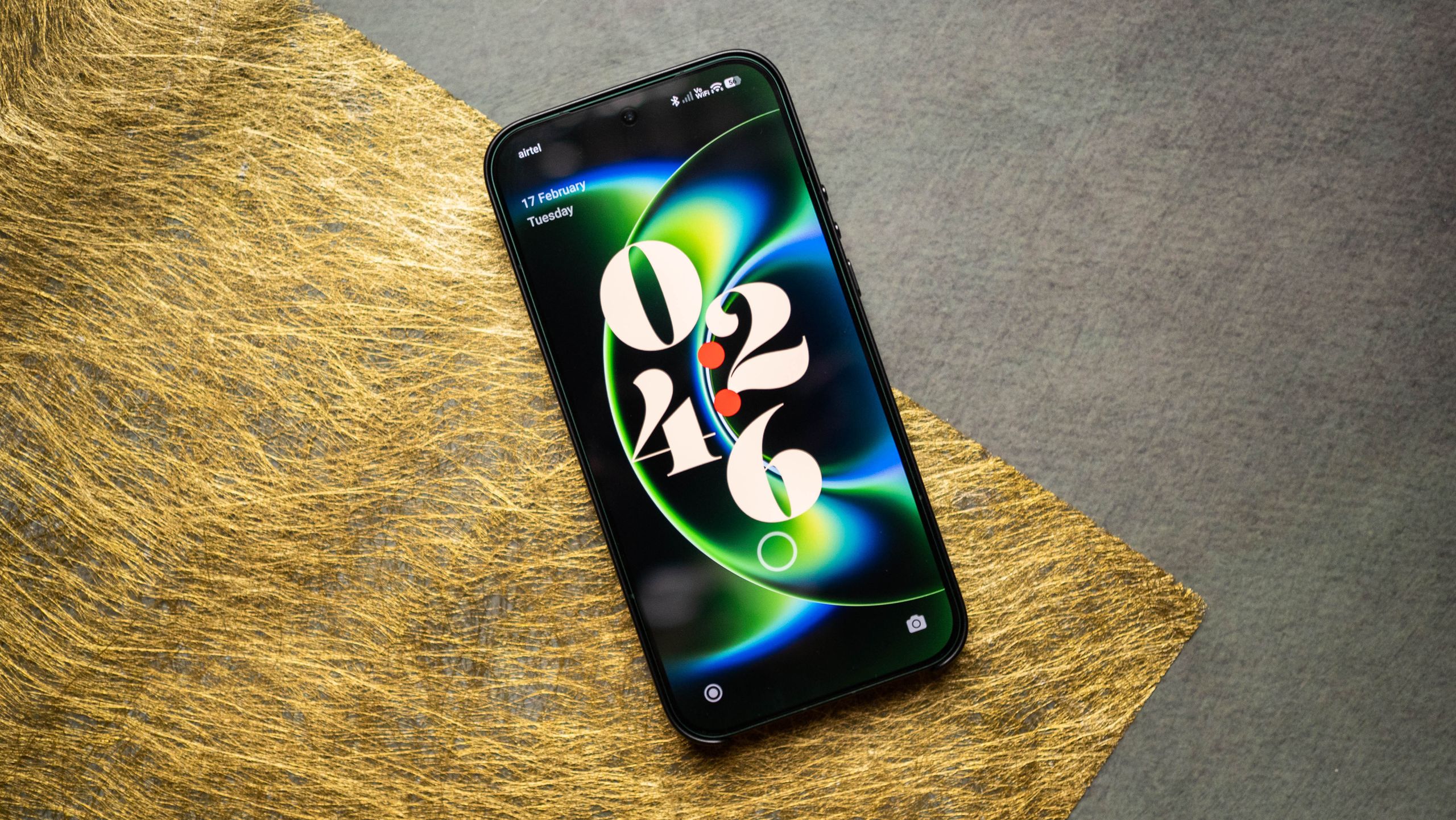
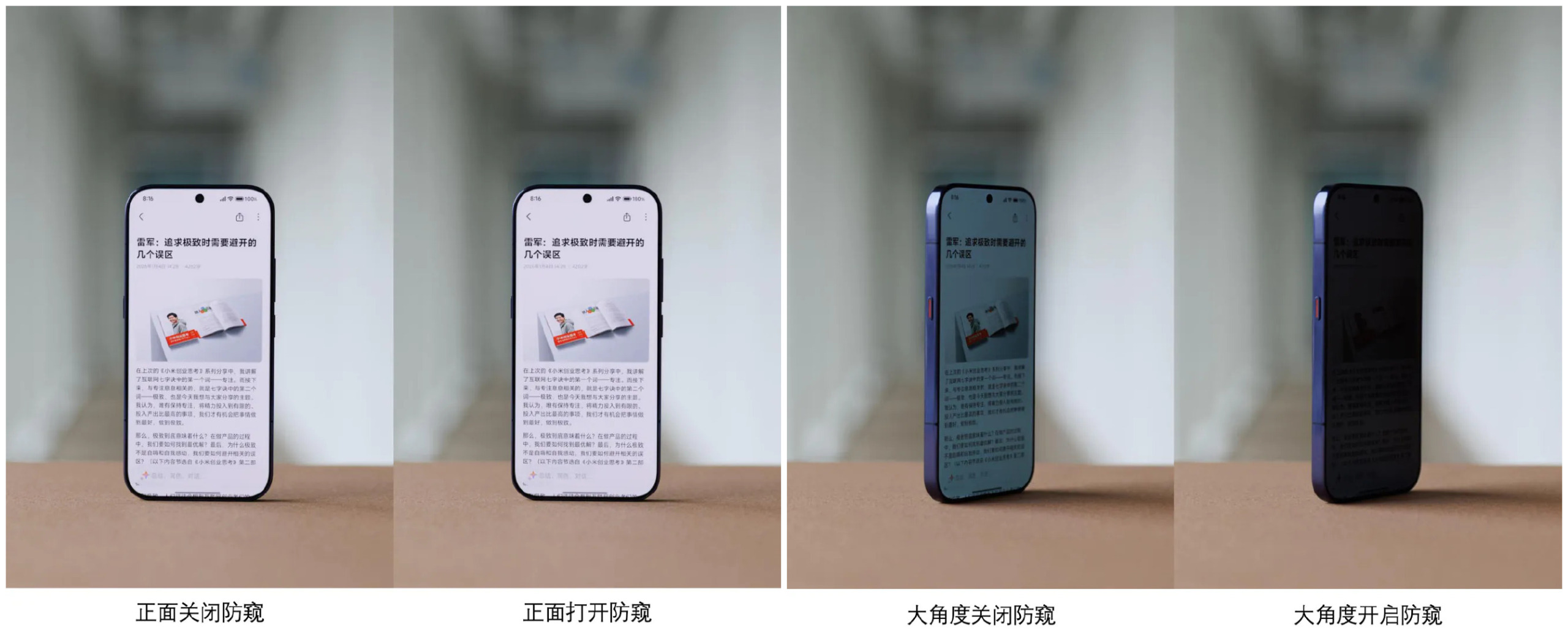
The technical specifications provided by Xiaomi are particularly impressive. The company claims that once a viewer moves beyond a 60-degree viewing angle from the center of the device, the perceived brightness of the display drops to approximately 1%. In practical terms, this means that for anyone standing or sitting next to the user—such as a passenger on a crowded train or a colleague in a meeting—the screen will appear almost entirely black. This effectively masks sensitive information, such as banking details, private messages, or confidential corporate documents, without requiring the user to manually adjust their behavior or install cumbersome accessories.
Advancing Beyond Competitive Implementations
Xiaomi’s announcement naturally invites comparisons to other industry leaders who have explored similar technology. Most notably, the Samsung Galaxy S26 Ultra recently introduced its own version of a Privacy Display. While Samsung’s implementation was hailed as a breakthrough for integrated privacy, it was not without its limitations. Early adopters and reviewers noted that when the privacy mode was active on the Galaxy S26 Ultra, the screen often appeared slightly dimmer and lost some of its characteristic vibrance, even for the primary user looking at it from a direct, front-on perspective.
Xiaomi, however, claims to have refined this technology to overcome such hurdles. In its promotional materials, the company emphasized that the Xiaomi 18 Pro’s smart privacy display is engineered to ensure that front-on viewing remains uncompromised. The goal is to provide a "no-sacrifice" experience where the user can enjoy the full brightness, color gamut, and clarity of the flagship panel, even while the privacy protections are actively shielding the screen from side-angle observers. If these claims hold up under real-world testing, Xiaomi could set a new standard for how privacy-centric hardware is integrated into consumer electronics.
The "Smart" Element: Seamless Software Integration
What distinguishes the Xiaomi 18 Pro’s implementation from a static privacy filter is the "smart" integration with the device’s operating system. Rather than being a permanent physical state of the screen, the privacy features are governed by intelligent software controls that allow the device to adapt to different scenarios.
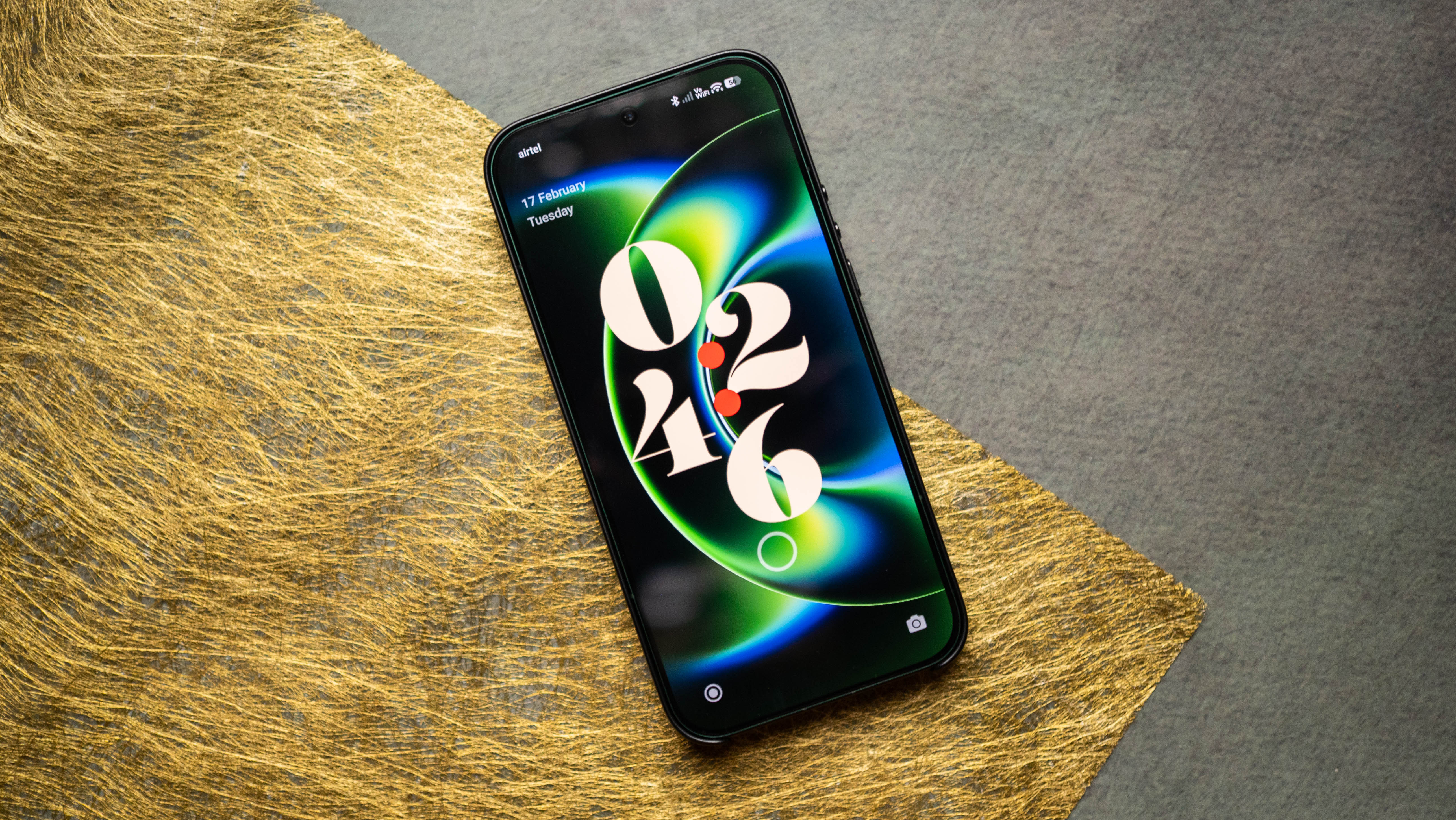
Xiaomi has indicated that the privacy mode can be automated based on the type of content being displayed or the current state of the device. For instance, the system can be configured to automatically activate the privacy shield when sensitive notifications appear on the lock screen. This ensures that even if the phone is sitting on a table, a passerby cannot read the contents of an incoming message or a two-factor authentication code.
Furthermore, the technology is designed to work seamlessly with Xiaomi’s multitasking features, such as floating windows. This suggests a high level of granularity in how the privacy layer is applied. A user could, in theory, have a public-facing application open on the main screen while keeping a sensitive document in a floating window that is specifically protected by the privacy hardware. This level of software-hardware synergy points toward a more holistic approach to user security that goes beyond simple "on or off" toggles.
Broader Context of the Xiaomi 18 Series
The introduction of the smart privacy display is just one piece of the puzzle for the Xiaomi 18 series. The company has been gradually building anticipation for the lineup, which is expected to include the standard Xiaomi 18 and the high-end Xiaomi 18 Pro. Earlier reports and official teasers have already highlighted a "magical" rear display on the Pro model, which is expected to offer a range of secondary functions, from acting as a camera viewfinder for high-quality selfies to displaying dynamic widgets and notification summaries.
By combining experimental design choices like the rear display with practical, high-utility features like the privacy screen, Xiaomi is attempting to differentiate itself in an increasingly crowded flagship market. The 18 Pro appears to be a statement of intent, showcasing Xiaomi’s ability to innovate across multiple fronts simultaneously—display technology, aesthetics, and user privacy.
The timing of this reveal is also strategic. As consumers become more aware of digital security and the importance of protecting personal information in public environments, "Privacy as a Feature" is becoming a potent marketing tool. By being one of the first to market with a hardware-integrated privacy solution that promises no loss in display quality, Xiaomi is appealing to a demographic of power users who demand both peak performance and enhanced security.
Market Implications and Launch Expectations
The move to include such advanced display technology also reflects the escalating "specs race" between Xiaomi and its primary rivals. With the Galaxy S26 Ultra having already set a precedent for integrated privacy, Xiaomi’s focus on improving the front-on brightness and software "smartness" of the feature is a direct challenge to Samsung’s dominance in the display sector.
Industry analysts suggest that if the smart privacy display becomes a popular feature among consumers, it could soon become a mandatory requirement for any device claiming "Ultra" or "Pro" status. Much like the transition to high-refresh-rate screens or under-display fingerprint sensors, integrated privacy layers could represent the next major evolution in smartphone display manufacturing.
The wait to see these features in action will be short. Xiaomi has confirmed that the official launch of the Xiaomi 18 series is scheduled to take place in just a few days. During the launch event, the company is expected to provide deeper technical insights into the construction of the privacy screen, as well as live demonstrations of its effectiveness in various lighting conditions and viewing angles.
As the launch approaches, the tech community remains focused on how these hardware innovations will impact the daily user experience. While the "magical" rear display might capture the headlines for its visual flair, it is the smart privacy display that may ultimately prove to be the more significant addition for the modern smartphone user. By solving a common, real-world problem through sophisticated engineering, the Xiaomi 18 Pro is shaping up to be more than just a seasonal refresh; it is a glimpse into the future of secure, personal mobile computing.
 Mobile Device Management (MDM) & Mobile OS
Samsung Reportedly Developing ‘Galaxy Studio’ Over-Ear Headphones to Challenge Apple and Sony
The landscape of the premium audio market has long been defined by...
 Mobile Device Management (MDM) & Mobile OS
Samsung Accelerates Exynos 2700 Production Amid Strategic Shifts for the Galaxy S27 Series
Samsung’s semiconductor division is reportedly entering a critical phase of its roadmap...
 Mobile Device Management (MDM) & Mobile OS
RayNeo GT Arrives to Shake Up the Competitive $300 Smart Glasses Market with Enhanced Ergonomics and 3DoF Tracking
The landscape of augmented reality and wearable displays is moving at a...






