
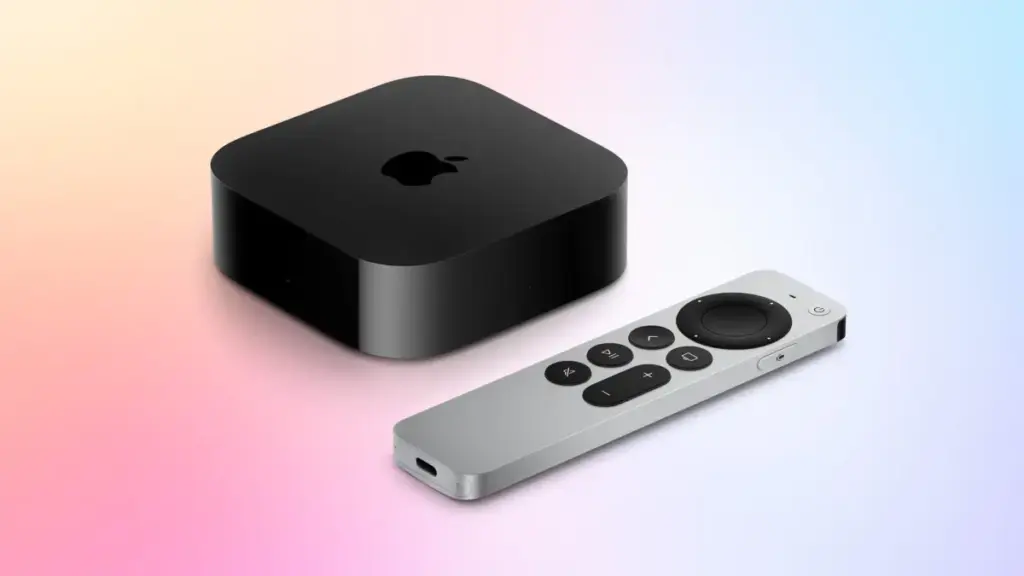
Apple has officially released Xcode 27.2 to developers, providing definitive technical details regarding the internal memory configurations of several of its latest hardware releases. The updated developer toolset reveals the exact RAM capacities powering the fourth-generation Apple TV 4K, the newly introduced iPad mini featuring an OLED display, and the novel iPhone Duo. While these memory specifications align closely with industry expectations and preliminary supply chain analysis, the discovery offers concrete verification of hardware metrics that Apple traditionally keeps under wraps during consumer-facing product announcements.
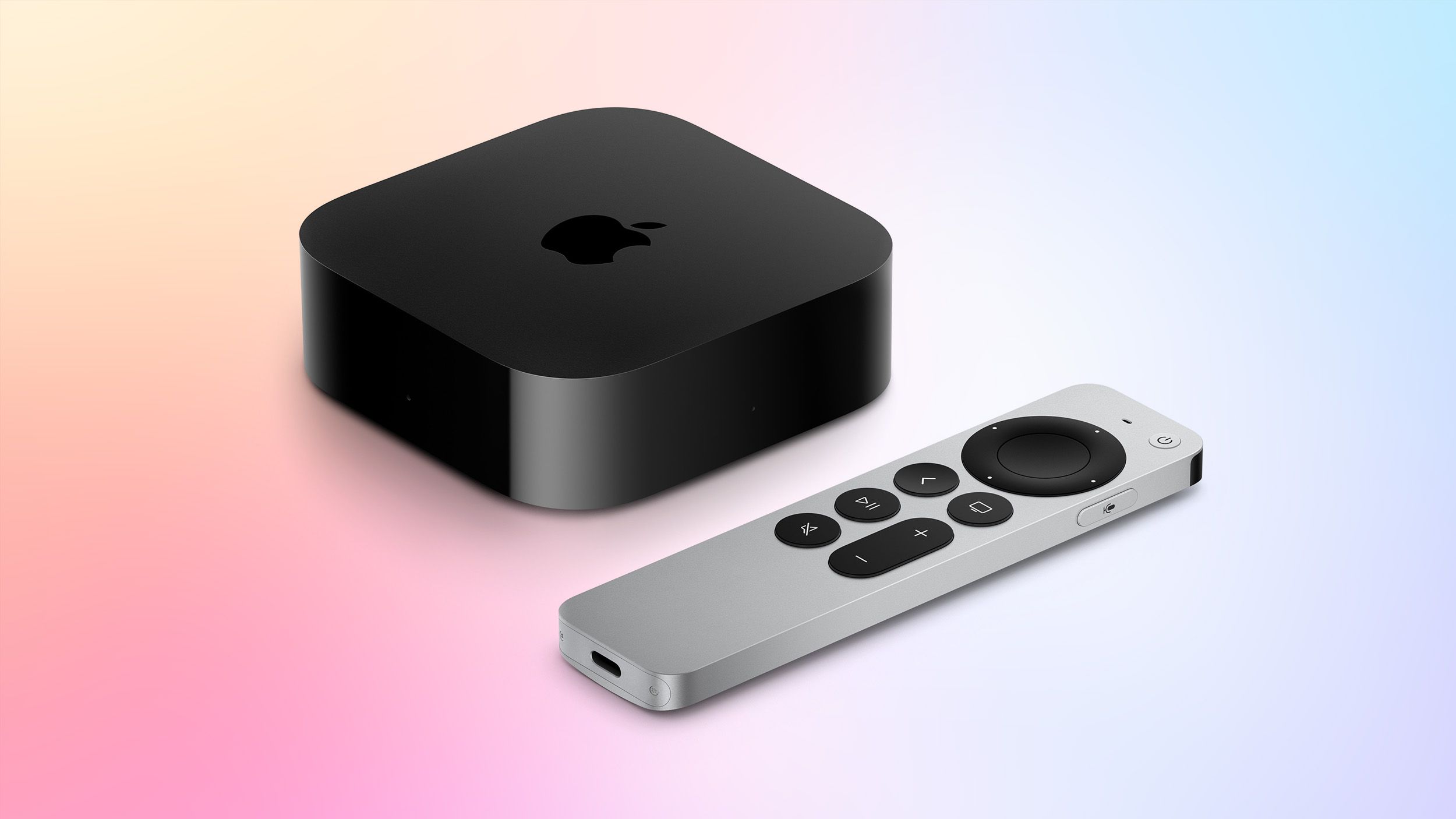
According to configuration profiles embedded within Xcode 27.2, the fourth-generation Apple TV 4K is equipped with 8GB of RAM and operates on Apple’s A19 chip. Meanwhile, the updated iPad mini, which transitions the compact tablet line to an OLED display technology, is backed by the high-performance A20 Pro chip alongside a generous 12GB of RAM. The software developer kit also confirms that Apple’s iPhone Duo features 12GB of RAM, bringing its memory capacity in line with the high-end tablet hardware.
The revelation through Xcode is a familiar annual occurrence for software engineers and hardware enthusiasts alike. Unlike Android device manufacturers and standard personal computer vendors, Apple routinely refrains from publishing operational RAM amounts in the official technical specifications listed on its public product pages, marketing materials, or consumer buy guides. While the company readily promotes its custom silicon chip designations—such as the A19 and A20 Pro processors—and outlines overall storage tiers, memory metrics remain unbilled on official specification sheets. Software developers require exact RAM values to optimize app performance, manage system memory allocations, and establish proper memory pressure boundaries, making the release of new Xcode versions the definitive mechanism for confirming these essential hardware figures.
The confirmation of these hardware specifications arrives against the backdrop of significant economic and supply chain headwinds within the consumer electronics sector. An acute, industrywide memory chip shortage has driven up market prices for both RAM and NAND flash storage components to unprecedented levels over the course of the year. The compounding costs of procuring high-density memory modules forced Apple to enact broad price hikes across a wide swath of its product catalog. Consumer prices were adjusted upward earlier this year across major device families, including iPhones, iPads, Mac computers, HomePod smart speakers, and the Apple TV 4K itself.
Despite the elevated costs associated with sourcing memory chips during the global shortage, Apple’s inclusion of 8GB of RAM in the Apple TV 4K and 12GB of RAM in both the OLED iPad mini and the iPhone Duo underscores a strategic prioritization of hardware longevity and performance capabilities. System memory plays a critical role in supporting complex background tasks, high-resolution graphic rendering, modern multitasking environments, and intensive computational software across iOS, iPadOS, and tvOS platforms. By equipping the compact OLED iPad mini and the iPhone Duo with 12GB of memory, Apple ensures these portable devices have sufficient overhead to handle demanding pro-level applications and system-level processing without suffering from premature memory bottlenecks.
The memory validation for the iPhone Duo comes at a particularly active moment for Apple’s retail and software ecosystems. Released on Friday, October 23, the iPhone Duo has experienced tight supply constraints from its initial launch day. Prior to the release, Apple retail employees were instructed by management to warn customers against attempting walk-in purchases at physical Apple Store locations without an existing pre-order reservation. Store staff were advised that retail outlets would likely possess zero walk-in inventory on launch day, prompting employees to discourage unreserved customers from traveling to stores in hopes of acquiring the new device.
As hardware shipments of the iPhone Duo make their way to consumers, Apple has also been updating its digital storefront to accommodate the new form factor. Ahead of the device’s market debut, screenshots appeared within the iOS App Store depicting Apple’s suite of built-in first-party applications running natively on the iPhone Duo. While earlier marketing campaigns provided brief glimpses of selected software experiences, the updated App Store preview images offered the first comprehensive look at how daily applications look and operate across the device’s expanded display area, particularly when oriented in landscape mode. The interface adaptations showcase how system utilities, media apps, and productivity tools reshape their layouts to take full advantage of the dual-screen configuration during regular daily use.
Simultaneously, the 8GB RAM disclosure for the fourth-generation Apple TV 4K illuminates Apple’s expanding ambitions for the living room and smart home market. The updated streaming box features the A19 processor, offering a substantial compute boost over previous iterations. The device was part of a broader home ecosystem push that was previously detailed in widespread leaks prior to Apple’s dedicated "Welcome home" press event in New York. Reporting from Bloomberg’s Mark Gurman accurately outlined a series of home-focused product debuts, including the A19-equipped Apple TV 4K, a second-generation HomePod mini 2, and an entirely new smart home command center.
That new smart home device, officially designated as HomeView, represents a dedicated home hub outfitted with a touch-enabled control display. Designed to serve as a central interface for managing connected home accessories, media playback, and household communications, HomeView complements the updated Apple TV 4K and HomePod mini 2 to form a cohesive, modernized smart home portfolio. The decision to endow the Apple TV 4K with 8GB of RAM ensures that the media player possesses ample memory bandwidth to serve not only as a 4K streaming device, but also as a robust home hub capable of handling automated background routines, home security camera feeds, high-frame-rate gaming, and seamless inter-device connectivity within the HomeView ecosystem.
For software developers, the confirmation provided by Xcode 27.2 offers actionable parameters for upcoming software releases. Engineers building applications for tvOS can now tailor their memory usage to capitalize on the 8GB baseline of the fourth-generation Apple TV 4K, optimizing memory caching for rich graphical assets and high-fidelity video playback. Similarly, developers targeting iPadOS and iOS can design complex workflows knowing that both the OLED iPad mini and the iPhone Duo provide an expansive 12GB memory envelope. This memory allowance gives software creators room to build advanced photo and video editing suites, immersive gaming titles, and multi-window productivity software that remain resident in memory alongside active background tasks.
Ultimately, while Xcode 27.2 does not reveal unexpected deviations from expected hardware trajectories, it seals the definitive specification sheet for Apple’s product lineup. By documenting 8GB of RAM for the A19 Apple TV 4K and 12GB of RAM for both the A20 Pro iPad mini with OLED display and the iPhone Duo, Apple’s developer tools bring clarity to how hardware resources are distributed across the company’s streaming, tablet, and smartphone portfolios. As global semiconductor supply chains continue to navigate chip shortages and pricing pressures, these memory figures represent Apple’s current balance between component cost management and the high-memory hardware demands of its evolving operating systems.
 macOS & Apple IT Support
Apple Temporarily Shutters Seven Key French Retail Stores Amid Safety Concerns and Renewed Nationwide Protests
In a preemptive move designed to protect store personnel, customers, and physical...
 macOS & Apple IT Support
Adobe Cuts Creative Cloud Pro Prices by Up to 77 Percent in Annual Black Friday Promotion
Adobe has officially kicked off its annual holiday discount season, launching a...
 macOS & Apple IT Support
Apple Temporarily Slashes Beats 360 Cushion Kits to $10 in One-Day Halloween Sale
Apple has unexpectedly slashed the price of official replacement cushion kits for...







