
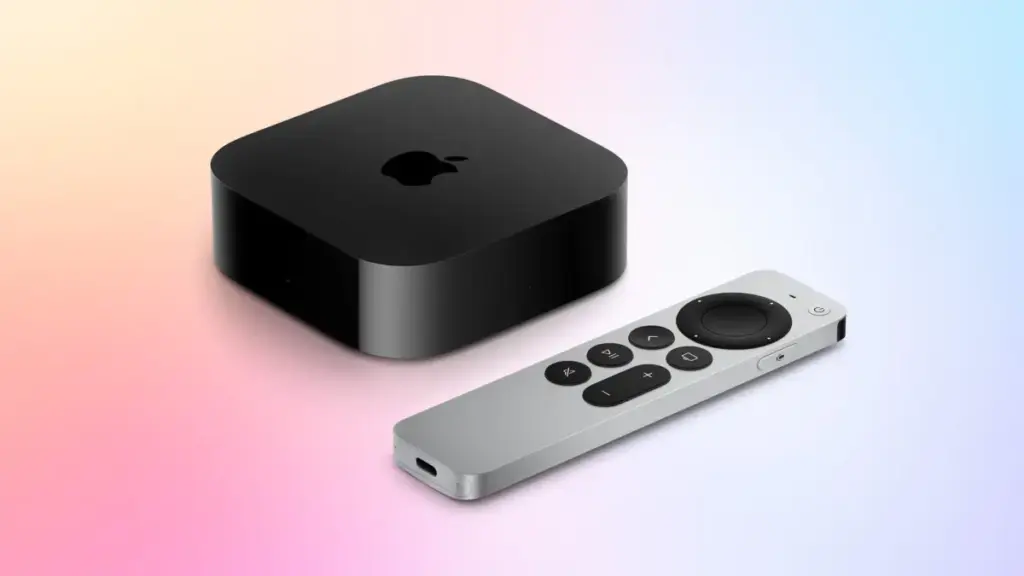
Despite the elevated costs associated with sourcing memory chips during the global shortage, Apple’s inclusion of 8GB of RAM in the Apple TV 4K and 12GB of RAM in both the OLED iPad mini and the iPhone Duo underscores a strategic prioritization of hardware longevity and performance capabilities. System memory plays a critical role in supporting complex background tasks, high-resolution graphic rendering, modern multitasking environments, and intensive computational software across iOS, iPadOS, and tvOS platforms. By equipping the compact OLED iPad mini and the iPhone Duo with 12GB of memory, Apple ensures these portable devices have sufficient overhead to handle demanding pro-level applications and system-level processing without suffering from premature memory bottlenecks.
The memory validation for the iPhone Duo comes at a particularly active moment for Apple’s retail and software ecosystems. Released on Friday, October 23, the iPhone Duo has experienced tight supply constraints from its initial launch day. Prior to the release, Apple retail employees were instructed by management to warn customers against attempting walk-in purchases at physical Apple Store locations without an existing pre-order reservation. Store staff were advised that retail outlets would likely possess zero walk-in inventory on launch day, prompting employees to discourage unreserved customers from traveling to stores in hopes of acquiring the new device.
As hardware shipments of the iPhone Duo make their way to consumers, Apple has also been updating its digital storefront to accommodate the new form factor. Ahead of the device’s market debut, screenshots appeared within the iOS App Store depicting Apple’s suite of built-in first-party applications running natively on the iPhone Duo. While earlier marketing campaigns provided brief glimpses of selected software experiences, the updated App Store preview images offered the first comprehensive look at how daily applications look and operate across the device’s expanded display area, particularly when oriented in landscape mode. The interface adaptations showcase how system utilities, media apps, and productivity tools reshape their layouts to take full advantage of the dual-screen configuration during regular daily use.
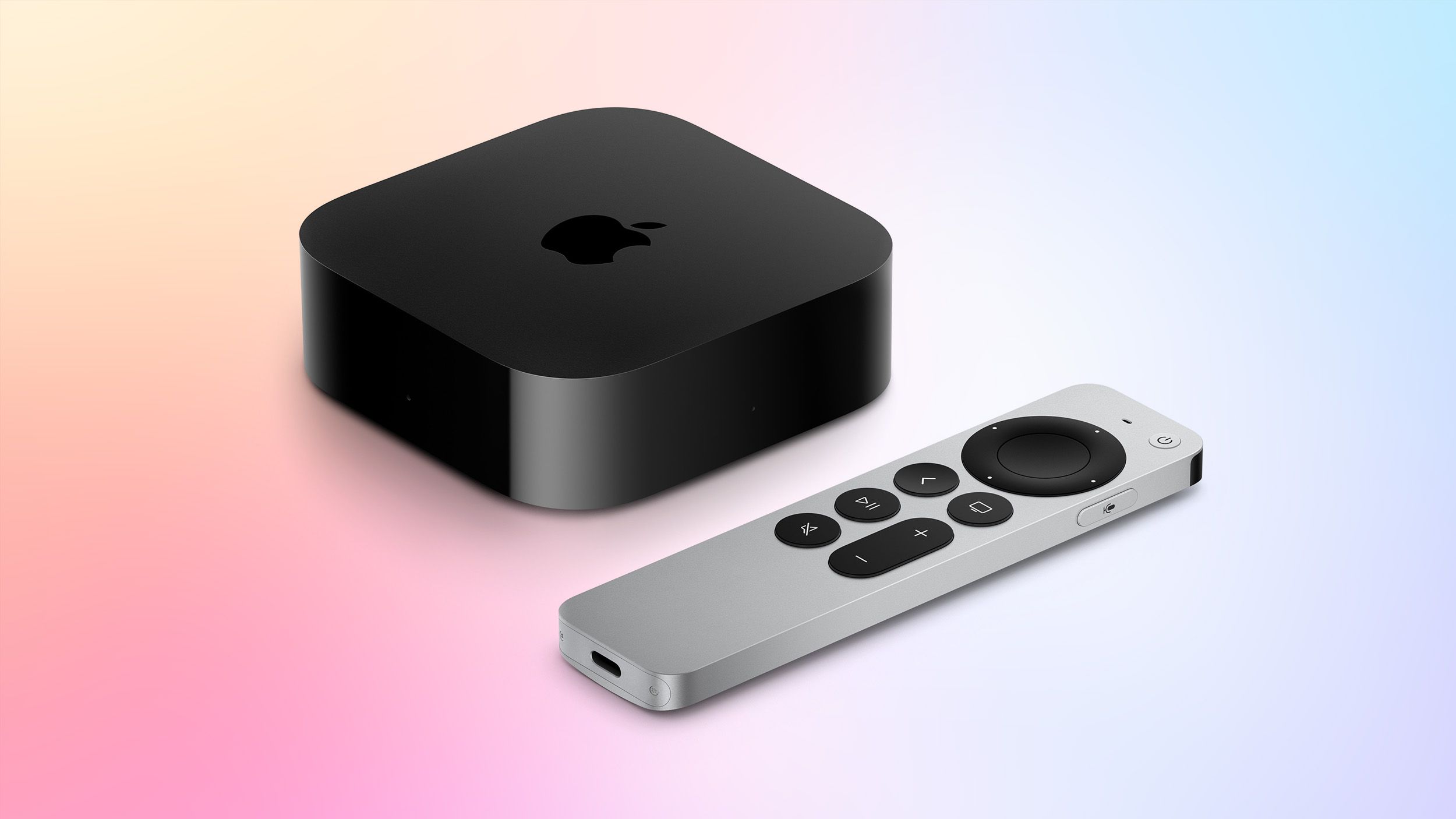
Simultaneously, the 8GB RAM disclosure for the fourth-generation Apple TV 4K illuminates Apple’s expanding ambitions for the living room and smart home market. The updated streaming box features the A19 processor, offering a substantial compute boost over previous iterations. The device was part of a broader home ecosystem push that was previously detailed in widespread leaks prior to Apple’s dedicated "Welcome home" press event in New York. Reporting from Bloomberg’s Mark Gurman accurately outlined a series of home-focused product debuts, including the A19-equipped Apple TV 4K, a second-generation HomePod mini 2, and an entirely new smart home command center.
 macOS & Apple IT Support
Apple Employee Charged With Murder Following Fatal High-Speed Crash Near Apple Park Visitor Center
An Apple employee is facing severe criminal charges, including murder and assault...
 macOS & Apple IT Support
Apple’s First Touchscreen OLED MacBook Pro, Upgraded OLED iPad Mini, and M6 Macs Arrive as Global Rollout Begins
The next generation of Apple personal computing hardware has officially reached the...
 macOS & Apple IT Support
Apple Prepares Comprehensive iPad Overhaul for First Half of 2027 Featuring OLED iPad Air, Vapor-Cooled M6 iPad Pro, and Upgraded Entry-Level Model
Following the recent announcement of a redesigned iPad mini equipped with an...







