
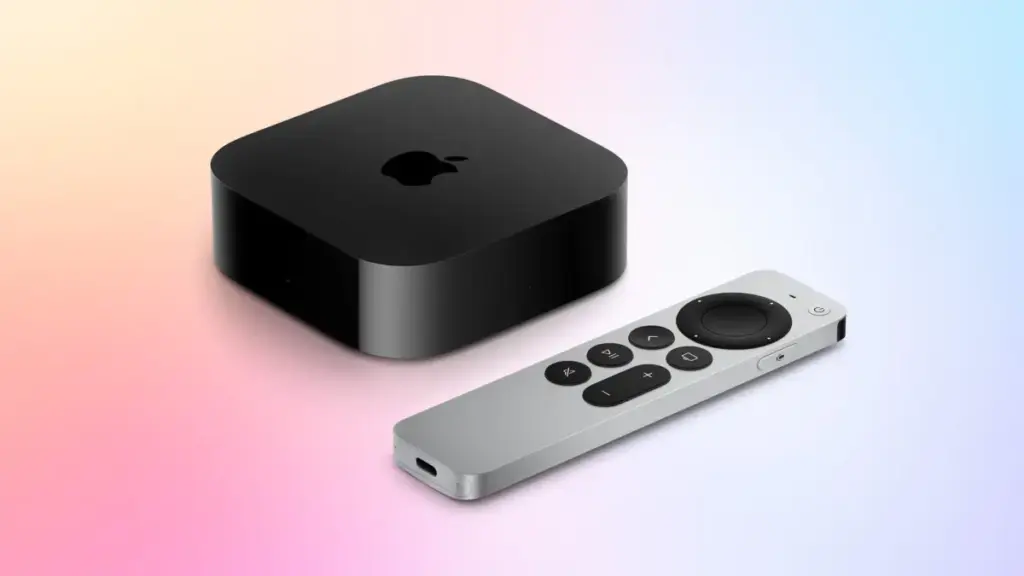
That new smart home device, officially designated as HomeView, represents a dedicated home hub outfitted with a touch-enabled control display. Designed to serve as a central interface for managing connected home accessories, media playback, and household communications, HomeView complements the updated Apple TV 4K and HomePod mini 2 to form a cohesive, modernized smart home portfolio. The decision to endow the Apple TV 4K with 8GB of RAM ensures that the media player possesses ample memory bandwidth to serve not only as a 4K streaming device, but also as a robust home hub capable of handling automated background routines, home security camera feeds, high-frame-rate gaming, and seamless inter-device connectivity within the HomeView ecosystem.
For software developers, the confirmation provided by Xcode 27.2 offers actionable parameters for upcoming software releases. Engineers building applications for tvOS can now tailor their memory usage to capitalize on the 8GB baseline of the fourth-generation Apple TV 4K, optimizing memory caching for rich graphical assets and high-fidelity video playback. Similarly, developers targeting iPadOS and iOS can design complex workflows knowing that both the OLED iPad mini and the iPhone Duo provide an expansive 12GB memory envelope. This memory allowance gives software creators room to build advanced photo and video editing suites, immersive gaming titles, and multi-window productivity software that remain resident in memory alongside active background tasks.
Ultimately, while Xcode 27.2 does not reveal unexpected deviations from expected hardware trajectories, it seals the definitive specification sheet for Apple’s product lineup. By documenting 8GB of RAM for the A19 Apple TV 4K and 12GB of RAM for both the A20 Pro iPad mini with OLED display and the iPhone Duo, Apple’s developer tools bring clarity to how hardware resources are distributed across the company’s streaming, tablet, and smartphone portfolios. As global semiconductor supply chains continue to navigate chip shortages and pricing pressures, these memory figures represent Apple’s current balance between component cost management and the high-memory hardware demands of its evolving operating systems.
 macOS & Apple IT Support
Production Begins on Season 2 of Vince Gilligan’s Apple TV+ Sci-Fi Drama ‘Pluribus’ in Albuquerque
ALBUQUERQUE, N.M. — Principal photography on the second season of the acclaimed...
 macOS & Apple IT Support
Apple Reverts to Soldered Storage on M6 and M5 Pro Mac Mini Models, Halving Base SSD Speeds via Single NAND Setup
Apple’s latest update to the Mac mini line brings a significant architectural...
 macOS & Apple IT Support
Apple Releases iOS 27.2 With Upgraded Siri AI, SynthID Watermarking, and Broad Feature Updates
Apple has officially released iOS 27.2, delivering a significant mid-cycle software update...







