
Thread, a low-power mesh networking protocol, addressed the reliability issues that plagued Bluetooth and Wi-Fi-based devices. It offered faster response times and a more robust connection that didn’t rely on a single central hub. Together, these technologies significantly lowered the technical hurdles for both developers and consumers.
Yet, even with Matter and Thread, a psychological barrier remained. While the underlying technology had improved, the "out-of-box" experience still lacked the seamlessness that average consumers have come to expect from the modern Apple era. The process of scanning QR codes, ensuring devices were on the correct 2.4GHz frequency, and navigating occasional pairing failures remained enough of a deterrent to prevent mass-market adoption. The industry had solved the problem of how devices talk to each other, but it had not yet perfected the way devices introduce themselves to the user.
The Apple Home Collection: The "AirPods Moment" for the Home
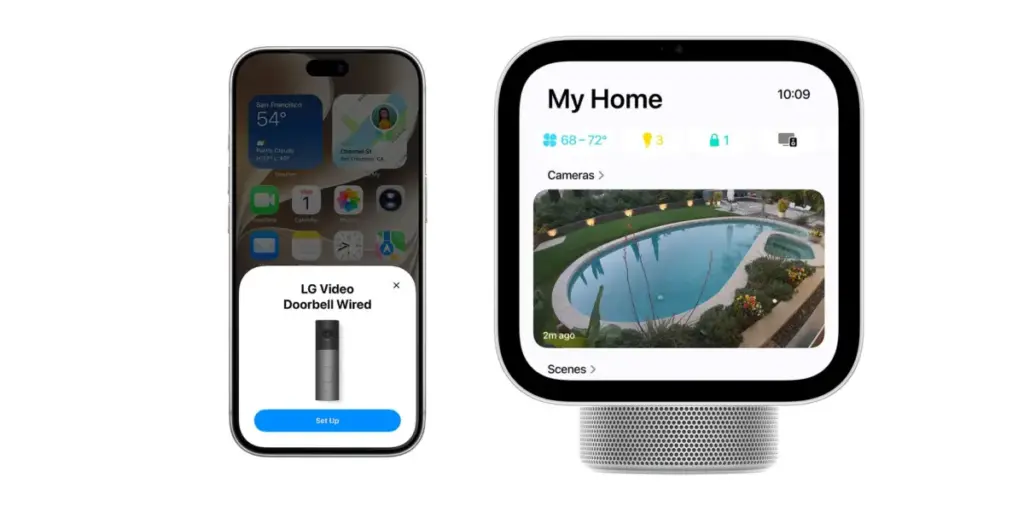
This brings us to the Apple Home Collection, a move that many tech commentators have struggled to categorize. On paper, the devices—ranging from smart doorbells to light switches—do not offer revolutionary new features that aren’t already available from budget-friendly competitors. However, the value proposition of the Apple Home Collection lies entirely in the user experience, specifically the onboarding process.
For the average consumer, the setup of a smart home device has historically been the moment where the dream of a "home of the future" dies. If a device fails to pair on the first or second attempt, it often ends up back in the box, destined for a return or a dusty shelf. Apple has recognized that for the smart home to truly go mainstream, it needs an "AirPods moment."
When Apple released the original AirPods, they didn’t succeed because they were the first wireless earbuds or because they had the best audio quality; they succeeded because they paired instantly. Opening the case near an iPhone triggered a beautiful animation and a one-tap setup. The Apple Home Collection brings this exact philosophy to the smart home.

Reports from those who have seen the system in action, such as Ajay Kumar from CNET, suggest that the setup process is a radical departure from the current industry standard. By utilizing proximity-based pairing, an iPhone can detect a new Apple Home Collection device the moment it is powered on nearby. As Kumar noted during a demonstration, an Apple representative was able to pair and register a new device mid-conversation, without ever having to dive into complex menus or troubleshoot a connection. The device simply appears on the screen, ready to be assigned to a room.
 Smart Home & IoT Solutions
Apple Gates Advanced AI Home Security Features Behind Premium 2TB iCloud Subscription
As the technology industry continues its aggressive pivot toward artificial intelligence, the...
 Smart Home & IoT Solutions
Apple and LG Partner on Major Smart Home Expansion Featuring Cameras, Locks, and Thermostats
Apple is preparing a significant escalation in its ambitions for the connected...
 Smart Home & IoT Solutions
Abode Expands Apple Home Ecosystem with New Ruggedized Garage and Outdoor Security Sensors
The landscape of DIY home security continues to evolve as homeowners move...







