
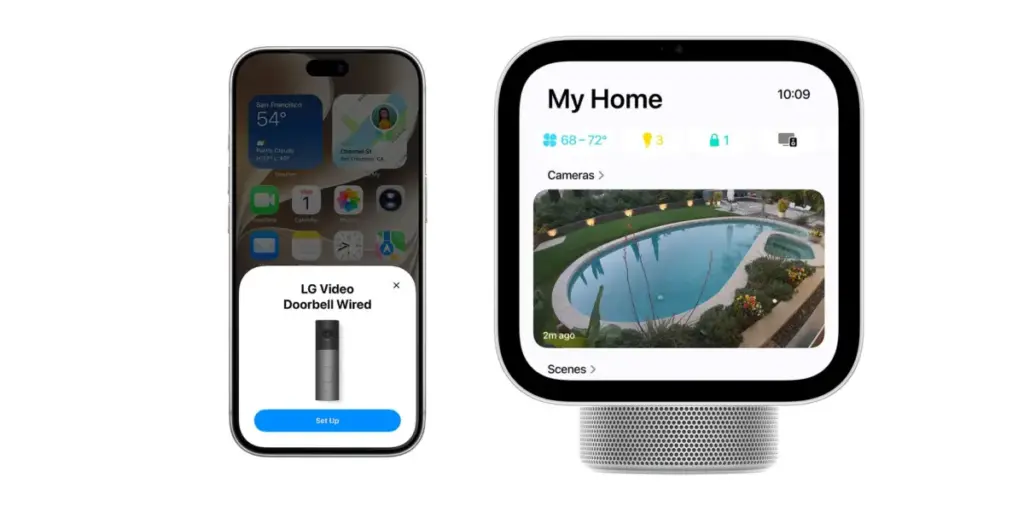
In the fast-paced world of consumer electronics, it is often difficult for technology enthusiasts to recognize the boundaries of their own environment. For those who track every firmware update and beta release, the "tech bubble" is a comfortable place where complex configurations and troubleshooting are seen as part of the hobby. Many in this community have been automating their living spaces for over a decade—some, indeed, have been tinkering with industry standards like X10 since the late 20th century. To the seasoned "geek," a smart home is a playground of possibilities.
However, for the vast majority of the population, the smart home remains a daunting prospect defined more by frustration than by convenience. This disparity in perspective has become particularly evident following the announcement of the Apple Home Collection. Developed in collaboration with industry heavyweights like LG and Schneider Electric, this new suite of accessories has been met with a degree of skepticism from the tech-savvy crowd. Critics point to the premium pricing and the lack of radical new hardware categories as reasons to dismiss the initiative. Yet, viewing these products through the lens of a power user misses the fundamental objective of the collection. The Apple Home Collection is not designed to appease the hobbyist; it is designed to dismantle the barriers that have kept the "normie" consumer on the sidelines for years.
HomeKit was a start, but not enough
To understand why the Apple Home Collection is significant, one must look back at the arduous evolution of home automation. In the earliest days of the "smart" revolution, creating a connected home was a task reserved for those comfortable with soldering irons and command-line interfaces. As the technology matured, it became more accessible through wireless protocols, but it remained far from user-friendly. The first wave of smartphone-controlled devices brought about the "app fatigue" era, where a single home might require half a dozen different manufacturer-specific applications just to turn on the lights or check a security camera.
Apple’s introduction of HomeKit was intended to be the definitive solution to this fragmentation. The vision was elegant: a single, unified interface—the Home app—where every compatible device could be managed, regardless of who manufactured the hardware. By mandating a strict set of security and performance standards, Apple promised a level of reliability that was previously absent from the market. HomeKit also brought Siri into the fold, allowing users to control their environment with simple voice commands.
In practice, however, the HomeKit experience often fell short of its lofty goals. While the Home app provided a central hub, the initial setup of many devices remained a significant pain point. Users frequently found themselves forced to download a third-party app to perform a firmware update or a bridge configuration before the device would even appear in the Apple ecosystem. For many, the process of onboarding a new smart plug or light bulb felt less like a consumer experience and more like a shift as an unpaid network engineer. Furthermore, Apple’s stringent requirements meant that many manufacturers opted to focus on the Amazon Alexa and Google Home ecosystems instead, leading to a smaller selection of compatible hardware and a perception that Apple’s solution was an expensive, niche alternative.
Matter and Thread helped
The landscape began to shift with the arrival of Matter and Thread. These industry standards were hailed as the "holy grail" of smart home interoperability. By creating a common language that allowed devices from different brands to communicate locally and securely, Matter promised to end the ecosystem wars. For manufacturers, it meant they no longer had to choose between developing for Apple, Amazon, or Google; they could build for Matter and support everyone simultaneously.
Thread, a low-power mesh networking protocol, addressed the reliability issues that plagued Bluetooth and Wi-Fi-based devices. It offered faster response times and a more robust connection that didn’t rely on a single central hub. Together, these technologies significantly lowered the technical hurdles for both developers and consumers.
Yet, even with Matter and Thread, a psychological barrier remained. While the underlying technology had improved, the "out-of-box" experience still lacked the seamlessness that average consumers have come to expect from the modern Apple era. The process of scanning QR codes, ensuring devices were on the correct 2.4GHz frequency, and navigating occasional pairing failures remained enough of a deterrent to prevent mass-market adoption. The industry had solved the problem of how devices talk to each other, but it had not yet perfected the way devices introduce themselves to the user.
The Apple Home Collection: The "AirPods Moment" for the Home
This brings us to the Apple Home Collection, a move that many tech commentators have struggled to categorize. On paper, the devices—ranging from smart doorbells to light switches—do not offer revolutionary new features that aren’t already available from budget-friendly competitors. However, the value proposition of the Apple Home Collection lies entirely in the user experience, specifically the onboarding process.
For the average consumer, the setup of a smart home device has historically been the moment where the dream of a "home of the future" dies. If a device fails to pair on the first or second attempt, it often ends up back in the box, destined for a return or a dusty shelf. Apple has recognized that for the smart home to truly go mainstream, it needs an "AirPods moment."
When Apple released the original AirPods, they didn’t succeed because they were the first wireless earbuds or because they had the best audio quality; they succeeded because they paired instantly. Opening the case near an iPhone triggered a beautiful animation and a one-tap setup. The Apple Home Collection brings this exact philosophy to the smart home.

Reports from those who have seen the system in action, such as Ajay Kumar from CNET, suggest that the setup process is a radical departure from the current industry standard. By utilizing proximity-based pairing, an iPhone can detect a new Apple Home Collection device the moment it is powered on nearby. As Kumar noted during a demonstration, an Apple representative was able to pair and register a new device mid-conversation, without ever having to dive into complex menus or troubleshoot a connection. The device simply appears on the screen, ready to be assigned to a room.
This level of "it just works" functionality is what has been missing from the smart home equation. For a "normie"—someone who wants the benefits of a smart home but has zero interest in understanding how a Zigbee mesh or a DHCP reservation works—this simplicity is worth the premium price. It transforms the smart home from a technical project into a consumer purchase.
Bridging the Gap to the Mass Market
The skepticism regarding the Apple Home Collection often centers on the idea that "I can buy a device that does the same thing for half the price." While true for the enthusiast, this argument ignores the cost of friction. For a large segment of the population, the "friction" of traditional smart home setup is an insurmountable wall. They are willing to pay more for the assurance that they won’t have to spend their Saturday afternoon on a support forum trying to figure out why their doorbell won’t connect to their Wi-Fi.
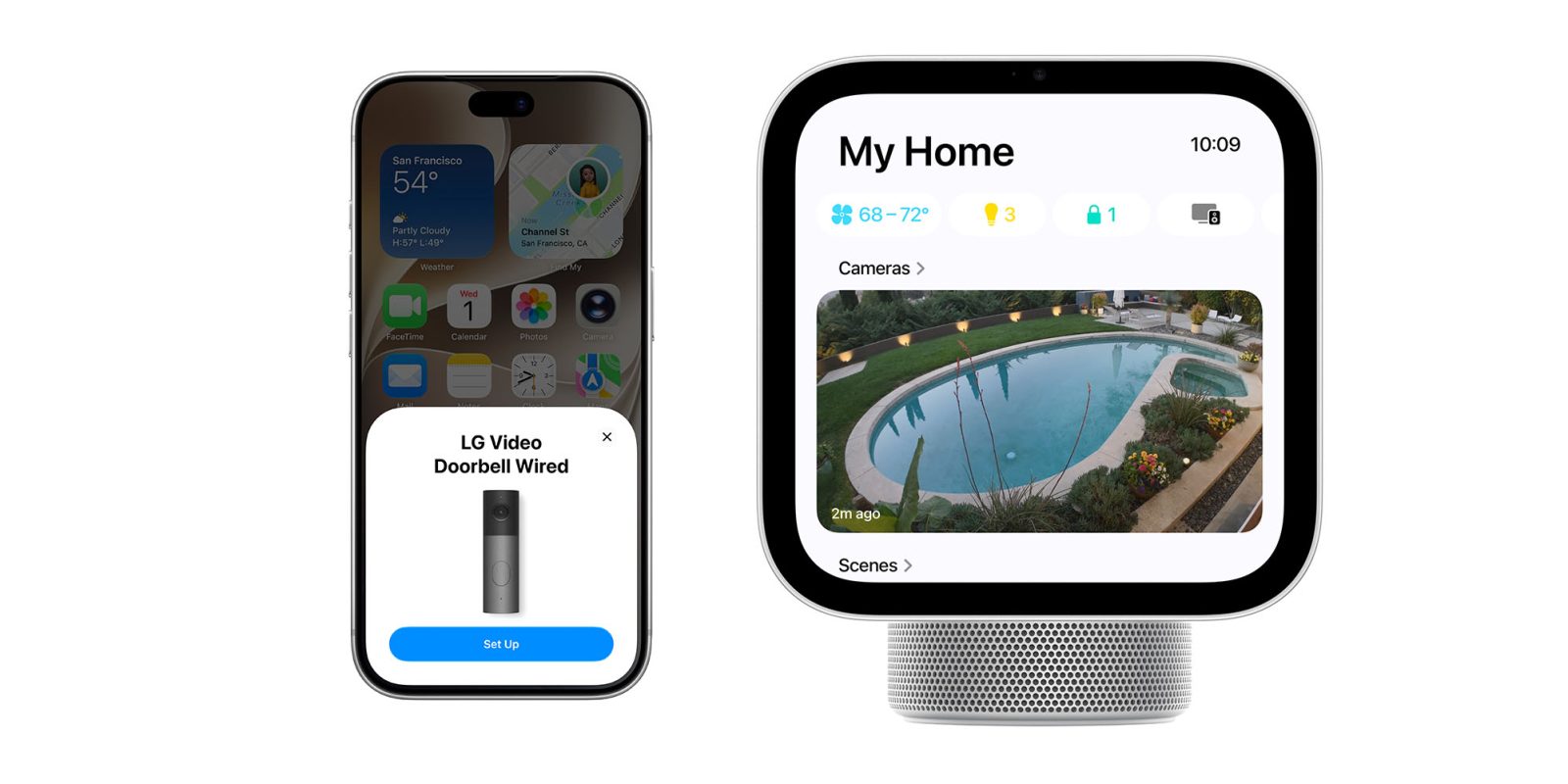
Furthermore, the integration of features like "HomeView" provides a visual cohesion that third-party manufacturers have struggled to replicate. By controlling both the hardware design (in partnership with LG and Schneider) and the software interface, Apple can ensure that the transition from a physical doorbell press to a video feed on an iPhone or an Apple TV is instantaneous and aesthetically consistent.
We should not underestimate the impact that this level of refinement will have on adoption rates. For years, the smart home has been a "cool idea" that people see in movies or at a tech-savvy friend’s house, but rarely one they feel confident implementing themselves. By removing the fear of complexity, Apple is inviting the rest of the world into the ecosystem.
If you are someone who has been put off by the perceived difficulty of home automation, the Apple Home Collection is a signal that the technology has finally matured. It represents the transition of the smart home from a hobbyist’s niche into a standard household utility. While the geeks may continue to build their custom setups with lower-cost components and open-source hubs, the Apple Home Collection is poised to become the gold standard for everyone else. The "leap" into a connected life has finally been made small enough for everyone to take.
 Smart Home & IoT Solutions
Apple Reportedly Developing Integrated Home Security and Monitoring Service for 2027 Launch
Apple is preparing to significantly escalate its presence in the smart home...
 Smart Home & IoT Solutions
Apple Set to Revolutionize the Smart Home with Upcoming Smart Display Launch
Apple is reportedly less than two weeks away from unveiling its highly...
 Smart Home & IoT Solutions
Apple to Unveil ‘HomeView’ Smart Hub at Upcoming ‘Welcome Home’ Event with iMac G4-Inspired Design and A18 Chip
Apple is preparing to significantly expand its presence in the smart home...







