
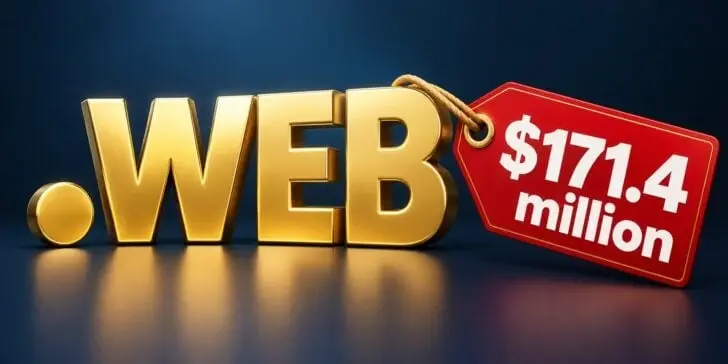
This limited registration period is the cornerstone of Verisign’s monetization strategy. By offering .com registrants the first opportunity to secure the matching .web version of their existing domains, Verisign is leaning into the concept of brand protection and defensive registration. The success of this phase will likely determine whether .web becomes a lucrative asset or a cautionary tale of overpayment.
Industry analysts often point to the launch of the .xxx extension as a historical precedent for this type of strategy. When .xxx debuted, the registry and its partner registrars aggressively marketed the extension to corporations, universities, and public figures as a necessary defensive purchase. The message was clear: buy your domain now, or risk it being used for adult content by someone else. This created a massive windfall for the registry, as thousands of entities that had no intention of using a .xxx site paid to keep their names off the market.

However, the value proposition for .web is fundamentally different. Unlike .xxx, which carried a specific reputational risk, .web is a generic, professional-sounding extension. The urgency for a defensive registration is less about avoiding scandal and more about general brand consolidation. The question for Verisign is whether that motivation is strong enough to drive the volume of registrations needed to justify a $171.4 million price tag.
The role of domain registrars—the consumer-facing companies like GoDaddy and Namecheap—will be pivotal during this period. Registrars are the gatekeepers of the industry, and they have a significant financial incentive to promote .web. Because new TLD registrations often carry higher margins than the highly competitive and price-sensitive .com market, registrars are likely to push the "domain match" offer heavily to their existing customer bases. For a registrar, selling a .web counterpart to an existing .com customer is an easy upsell that requires little additional support.
Despite the potential for aggressive marketing, Verisign faces two major uncertainties. The first is the critical issue of pricing. Verisign has yet to publicly announce the wholesale pricing for the limited registration period or the subsequent general availability phase. The company is currently tasked with a delicate balancing act: if they set the price too high, they risk alienating small business owners and individual registrants who are already fatigued by the sheer number of available domain extensions. If they set it too low, they may struggle to recoup their massive $171.4 million investment in a reasonable timeframe.
 Web Hosting & Domain Management
.Qa domains get new restrictions: change your nameservers now
The upcoming changes, which are set to take effect at the stroke...
 Web Hosting & Domain Management
Verisign Discloses $171.4 Million Total Investment in .Web as Long-Awaited Launch Approaches
In a recent regulatory disclosure that sheds new light on one of...
 Web Hosting & Domain Management
DNX Expands Domain Investor Ecosystem with Launch of Dedicated Registrar Services
The landscape for professional domain investors is undergoing a significant shift as...







