
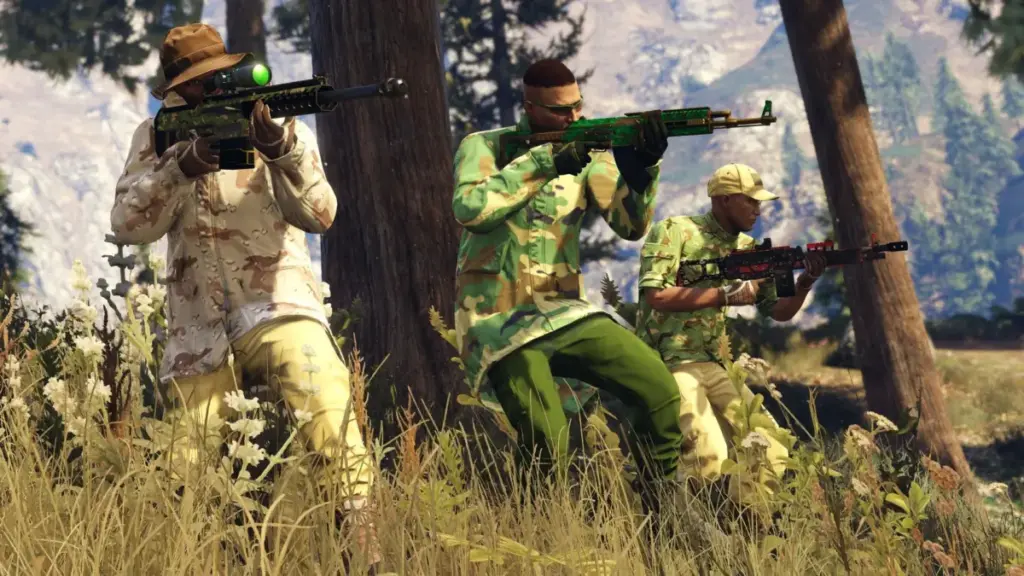
The reaction from the gaming community has been a mix of awe and resignation. On platforms like X and Reddit, users marveled at the fluidity of the gameplay shown in the original clip, noting that the performance seemed surprisingly robust for a browser environment. Some pointed out that this could be a glimpse into a future where "cloud gaming" is superseded by "browser-native gaming," where the heavy lifting is done by optimized web code rather than remote server farms. Conversely, many seasoned gamers predicted the site’s demise the moment the link was shared. The consensus remains that while the technology is ready for such feats, the legal and corporate structures surrounding the industry are not.
Wonder Interactive, the entity behind the demonstration, appears to be focusing on the broader applications of their technology. While using a high-profile IP like Grand Theft Auto is an effective way to garner headlines and prove a concept, it carries risks that often outweigh the benefits of the publicity. If the goal was to demonstrate that their AI-driven WebAssembly porting pipeline can handle even the most demanding of software, then the mission was arguably accomplished, even if the "product" only lasted a few hours. The choice of a 10-year-old game that still tops sales charts was a bold move that provided a clear benchmark for performance, even as it invited the inevitable scrutiny of Take-Two’s legal department.
As the dust settles, the conversation shifts toward what this means for the future of the open web. The ability to run high-fidelity, interactive experiences without the need for an installation or a specific operating system is the "holy grail" of web development. It promises a world where software is truly universal. However, this incident underscores that the hurdles to such a future are as much legal as they are technical. The technology to liberate games from their original hardware exists, but the rights to those games remain firmly in the hands of entities that are often wary of the decentralized nature of the web.
For now, the brief existence of the GTA V browser port remains a digital curiosity—a "blink and you’ll miss it" moment in the history of the franchise. It serves as a testament to the ingenuity of developers who continue to push the boundaries of what is possible within a browser tab. While the 1970s food ad now stands where Los Santos once stood, the technical breakthrough demonstrated by St. Louis and his team suggests that the era of the browser as a secondary platform for gaming may soon be coming to an end. Whether the industry will embrace this shift or continue to fight it through takedowns and errors remains to’ be seen. In the meantime, the archives will keep the memory of a browser-based Grand Theft Auto alive, a ghost in the machine of the modern internet.
 Hardware Reviews & PC Building
Used Hardware Purchase Leads to Unexpected Valorant Ban for German Gamer as Riot’s Vanguard Flags Secondhand CPU
The secondary market for PC components has long been a haven for...
 Hardware Reviews & PC Building
The PC gaming ray tracing obsession began with the first RTX 20 graphics cards released on this day in 2018 — the…
The debut of the GeForce 20 series was spearheaded by the release...
 Hardware Reviews & PC Building
GlobalFoundries to produce silicon interposers for TSMC’s CoWoS in the US — Five-year agreement valued at $2…
The deal establishes a robust, U.S.-based manufacturing source for essential advanced packaging...







