
As the calendar turns to the first full week of October, the seasonal shift in cinematic appetite is becoming increasingly apparent. While the transition into autumn often brings a wave of sentimental dramas—exemplified by the recent Netflix debut of Tyler Perry’s poignant new feature, Doing Life—the streaming giant is simultaneously pivoting toward the darker, more visceral corner of its library. For viewers looking to trade tears for tension, the platform’s latest updates offer a curated selection of high-stakes thrillers and psychological horror, ranging from contemporary true-crime dramatizations to the films that defined the modern "twist" ending.
The beginning of October traditionally marks the start of "spooky season," a period where streaming services see a significant uptick in engagement with suspense-driven content. Netflix’s strategy for 2026 appears to lean heavily into this trend, blending high-profile original acquisitions with established cinematic masterpieces. This week’s standout selections include a new exploration of one of America’s most infamous domestic terrorists, a return to the chilling world of Dr. Hannibal Lecter, and the supernatural drama that launched the career of one of Hollywood’s most distinct directorial voices.
A Modern Lens on Radicalization: The Arrival of ‘Unabomber’
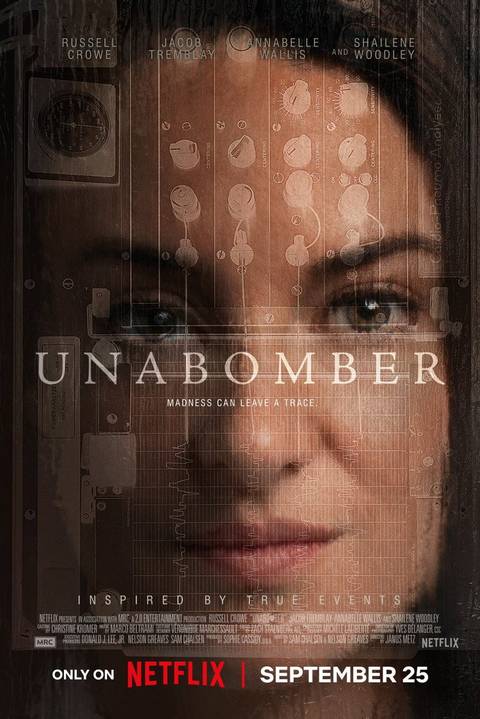
Among the most talked-about additions to the Netflix catalog this season is Unabomber, a film that made its debut as part of the September release slate and has quickly gained traction as a must-watch psychological profile. Directed by Janus Metz, the film attempts to navigate the complex and disturbing history of Ted Kaczynski, the domestic terrorist whose mail-bombing campaign terrified the United States for nearly two decades.
The film distinguishes itself from previous iterations of the Kaczynski story—such as the docuseries Unabomber: In His Own Words or the scripted Manhunt: Unabomber—by employing a sophisticated dual-timeline narrative. This structure allows the film to examine both the origin of the man and the intensity of the pursuit that eventually brought him to justice.
The first timeline takes audiences back to 1958, where a young Ted Kaczynski, portrayed by Jacob Tremblay, is introduced as a math prodigy at Harvard University. Tremblay, who rose to fame for his performance in Room, continues his transition into mature, demanding roles by capturing the awkwardness and intellectual isolation of a teenage Kaczynski. This segment of the film centers on his interaction with Professor Henry Murray, played by Academy Award winner Russell Crowe.
The relationship between the student and the professor is depicted through the lens of Murray’s controversial and arguably traumatizing experiments. These sessions, involving confrontational and deeply personal interviews designed to break down a subject’s psyche, are presented as a pivotal, if not foundational, moment in Kaczynski’s descent into radicalization. The film poses difficult questions about the ethics of psychological research and the unintended consequences of intellectual manipulation.
The second timeline fast-forwards to the 1990s, focusing on the grueling FBI manhunt. Shailene Woodley stars as Joanne Miller, a fictionalized agent tasked with deciphering the cryptic clues left behind by the elusive bomber. Woodley’s performance provides a procedural backbone to the film, illustrating the frustration and high stakes of a federal investigation that spanned years without a breakthrough.

Metz’s Unabomber has already sparked debate among critics and viewers regarding its tone. Some argue the film risks sympathizing with a young Kaczynski by highlighting his early trauma, while others view it as a necessary, cautionary exploration of how a brilliant mind can be warped by disenfranchisement and radical ideologies. Regardless of where one falls on the spectrum, the film stands as a significant addition to the true-crime genre, offering a 97-minute deep dive into a dark chapter of American history.
The Legacy of the Lecter Universe: ‘Red Dragon’
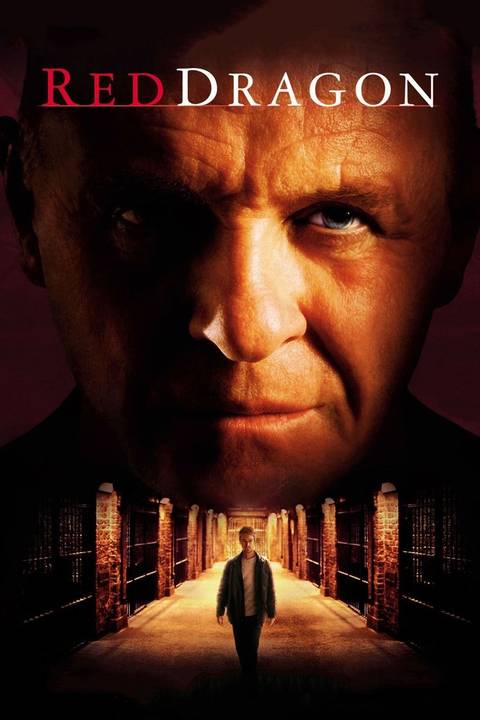
For fans of more traditional psychological horror, the return of Red Dragon to Netflix provides an opportunity to revisit the origins of one of cinema’s most enduring villains. Released in 2002 and directed by Brett Ratner, the film serves as a prequel to the 1991 masterpiece The Silence of the Lambs.
The enduring appeal of the Hannibal Lecter series is largely credited to Anthony Hopkins’ definitive portrayal of the cannibalistic psychiatrist. In Red Dragon, Hopkins returns to the role with the same chilling elegance that earned him an Oscar, though the dynamic of this film differs significantly from his interaction with Clarice Starling. Based on the 1981 novel by Thomas Harris, the story introduces Will Graham, played by Edward Norton.
Graham is a former FBI profiler who successfully captured Lecter but was nearly killed in the process. His retirement is cut short when he is pulled back into the field by Special Agent Jack Crawford (Harvey Keitel) to investigate a new threat: a serial killer known as "The Tooth Fairy." The narrative tension in Red Dragon is built on the uneasy alliance between Graham and an incarcerated Lecter. Graham realizes that to stop a monster, he must consult the one person who understands the darkest impulses of the human mind.
The film’s presence on Netflix also invites comparison to Michael Mann’s 1986 adaptation of the same novel, titled Manhunter. While Mann’s version is celebrated for its stylish, neon-soaked aesthetic and synth-heavy score—marking it as a classic of 1980s cinema—Ratner’s Red Dragon chooses to align itself more closely with the visual language and somber tone established by Jonathan Demme in The Silence of the Lambs.
By following a more traditional procedural structure, Red Dragon emphasizes the psychological toll that profiling takes on the investigator. Edward Norton’s portrayal of Will Graham highlights the character’s vulnerability and his fear of the darkness within himself, a theme that has since been explored further in various television adaptations. For Netflix subscribers, having access to this chapter of the Harris series allows for a more complete understanding of the Lecter mythos.
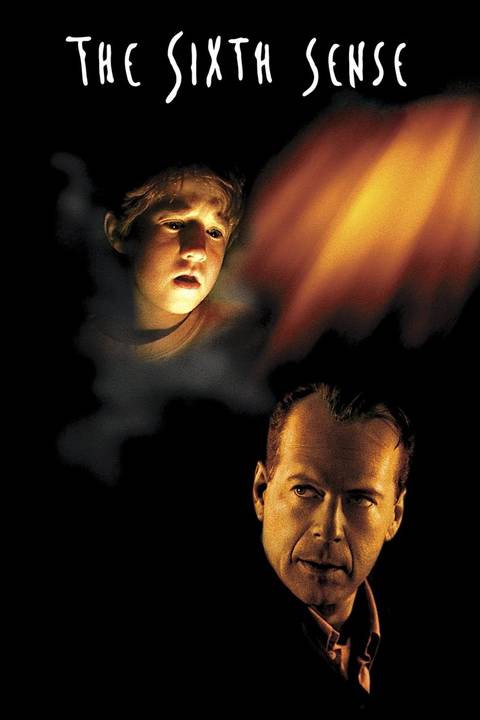
M. Night Shyamalan’s Cultural Phenomenon: ‘The Sixth Sense’
Rounding out the top recommendations for the week is the film that arguably redefined the supernatural thriller for the 21st century. M. Night Shyamalan’s 1999 breakthrough, The Sixth Sense, remains a cornerstone of the genre, as famous for its emotional depth as it is for its legendary twist ending.
The film stars Bruce Willis as Malcolm Crowe, a child psychologist in Philadelphia who is haunted by his failure to help a former patient. His quest for redemption leads him to Cole Sear, an eight-year-old boy played by Haley Joel Osment in a performance that earned him an Academy Award nomination. Cole’s "dark secret"—his ability to see and communicate with the dead—is the catalyst for a story that is as much about grief and communication as it is about ghosts.
The phrase "I see dead people" has long since entered the cultural lexicon, but the film’s strength lies in its restraint. Unlike many modern horror films that rely on jump scares, The Sixth Sense builds a palpable sense of dread through atmosphere and the quiet, heartbreaking interactions between its lead characters. Shyamalan’s direction is meticulous, using color and sound to signal the presence of the supernatural without ever losing sight of the human drama at the center of the story.
For those who have seen the film, a re-watch often reveals the intricate "breadcrumbs" Shyamalan left throughout the narrative, leading up to the final revelation. For first-time viewers, the experience is a rare opportunity to witness one of the most effective pieces of cinematic misdirection in history. Despite its age, the film’s exploration of the things left unsaid between the living and the dead remains as resonant as ever.
Expanding the October Queue
Beyond these three cinematic highlights, Netflix is continuing to expand its episodic offerings for the month of October. For viewers who prefer the long-form storytelling of television, the platform is preparing for the release of highly anticipated series such as East of Eden and Below. These new additions are expected to further bolster the service’s reputation for prestige drama.
Additionally, for subscribers with limited time, Netflix has highlighted its collection of "bingeable" miniseries. Recent successes like Griselda, starring Sofia Vergara, and the Bridgerton spin-off Queen Charlotte have demonstrated a strong demand for high-production-value stories that can be completed in a single weekend.
As the streaming landscape becomes increasingly competitive, Netflix’s ability to balance its new original content, like the Tremblay-led Unabomber, with foundational library titles like The Sixth Sense and Red Dragon, remains its primary strength. Whether through the lens of historical true crime or supernatural fiction, this week’s lineup ensures that subscribers have ample reason to stay glued to their screens as the October nights grow longer.
 Tech Tutorials & How-To Guides
Balancing the Spooky Season: Paramount+ Highlights Comedic Classics and Dystopian Thrills This October
As the calendar turns deep into October, the cultural landscape shifts toward...
 Tech Tutorials & How-To Guides
Unlocking the Hidden Diagnostic Power of Amazon Fire TV: A Deep Dive into Developer Tools and System Transparency
The Amazon Fire TV ecosystem has evolved from a simple portal for...
 Tech Tutorials & How-To Guides
The Untapped Power of the ESP32: Why Your Bluetooth Proxy Is Only Reaching a Fraction of Its Potential
In the rapidly evolving landscape of the modern smart home, the ESP32...







