
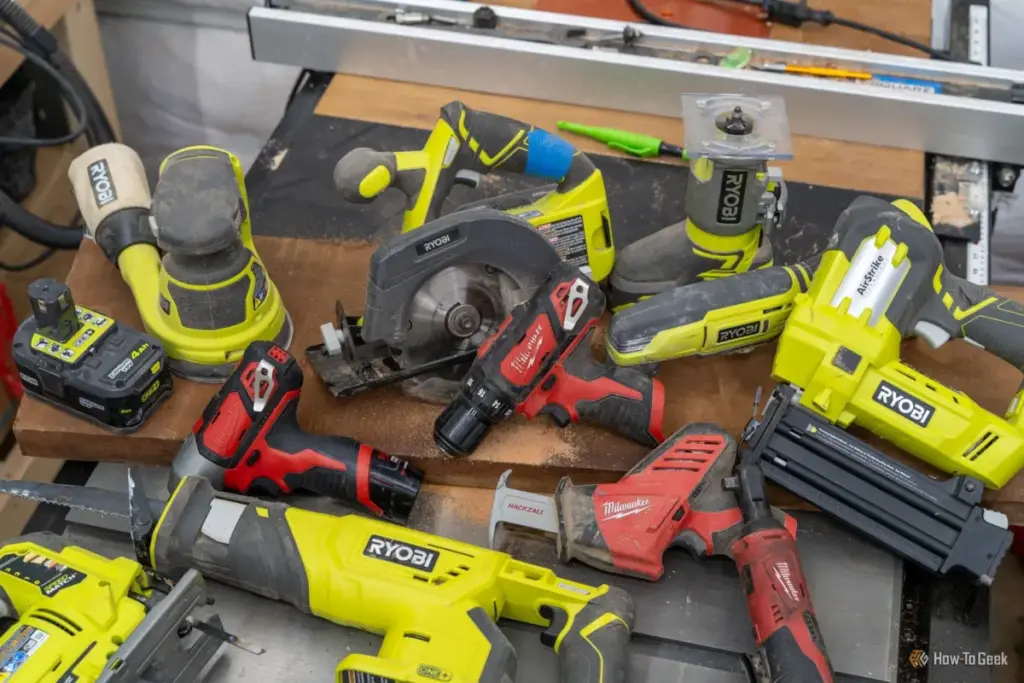
The "Simple Rule" that Campanale advocates for is the strict limitation of primary battery platforms. A workshop loses its efficiency when a user has to manage a dozen different chargers just to finish a single project. We have all seen the disorganized garage where a drill requires one charger, a saw requires another, and a specialty tool requires a third, none of which are interchangeable. This lack of cohesion works against the user, creating a logistical burden that slows down the creative process.
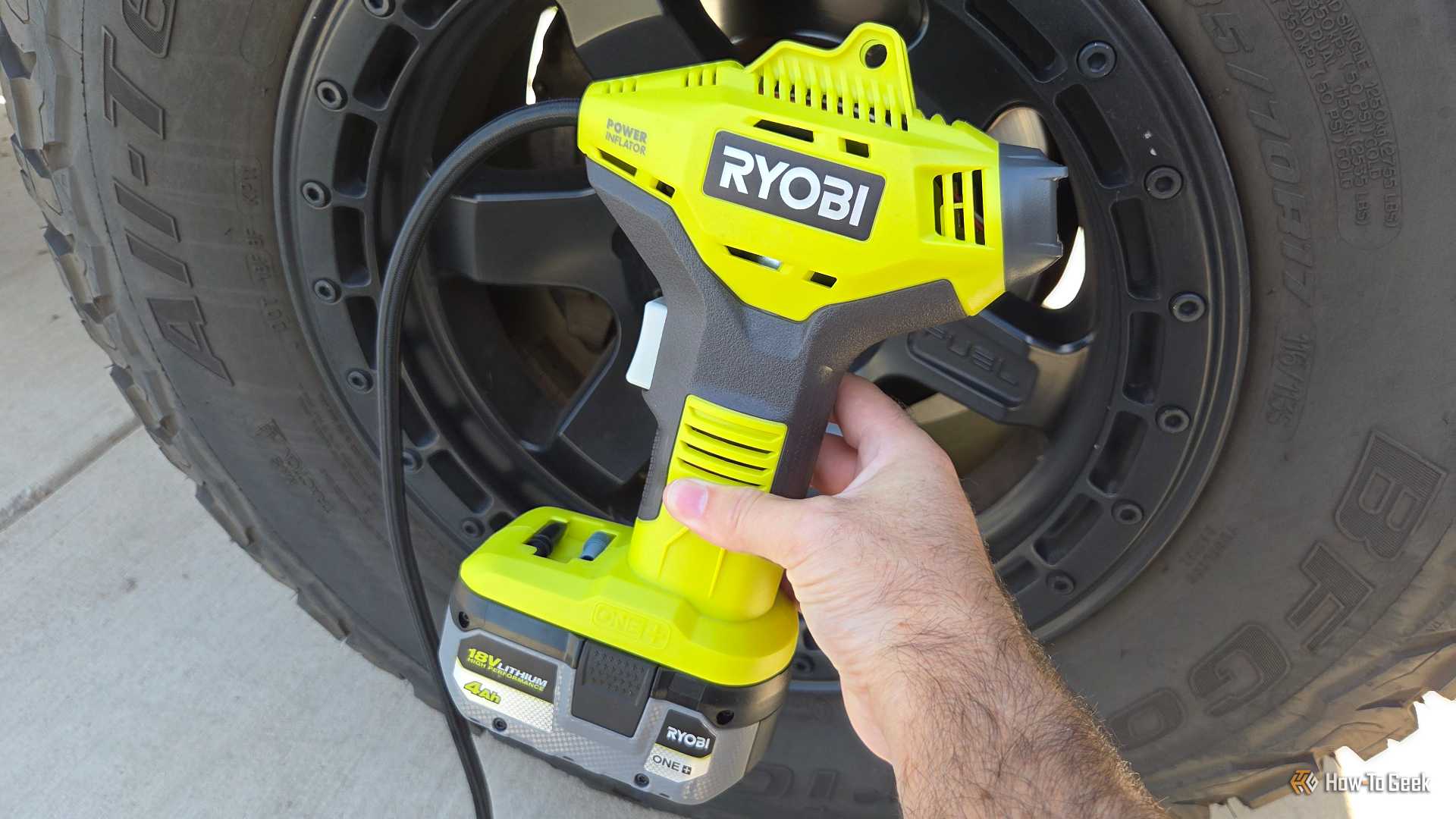
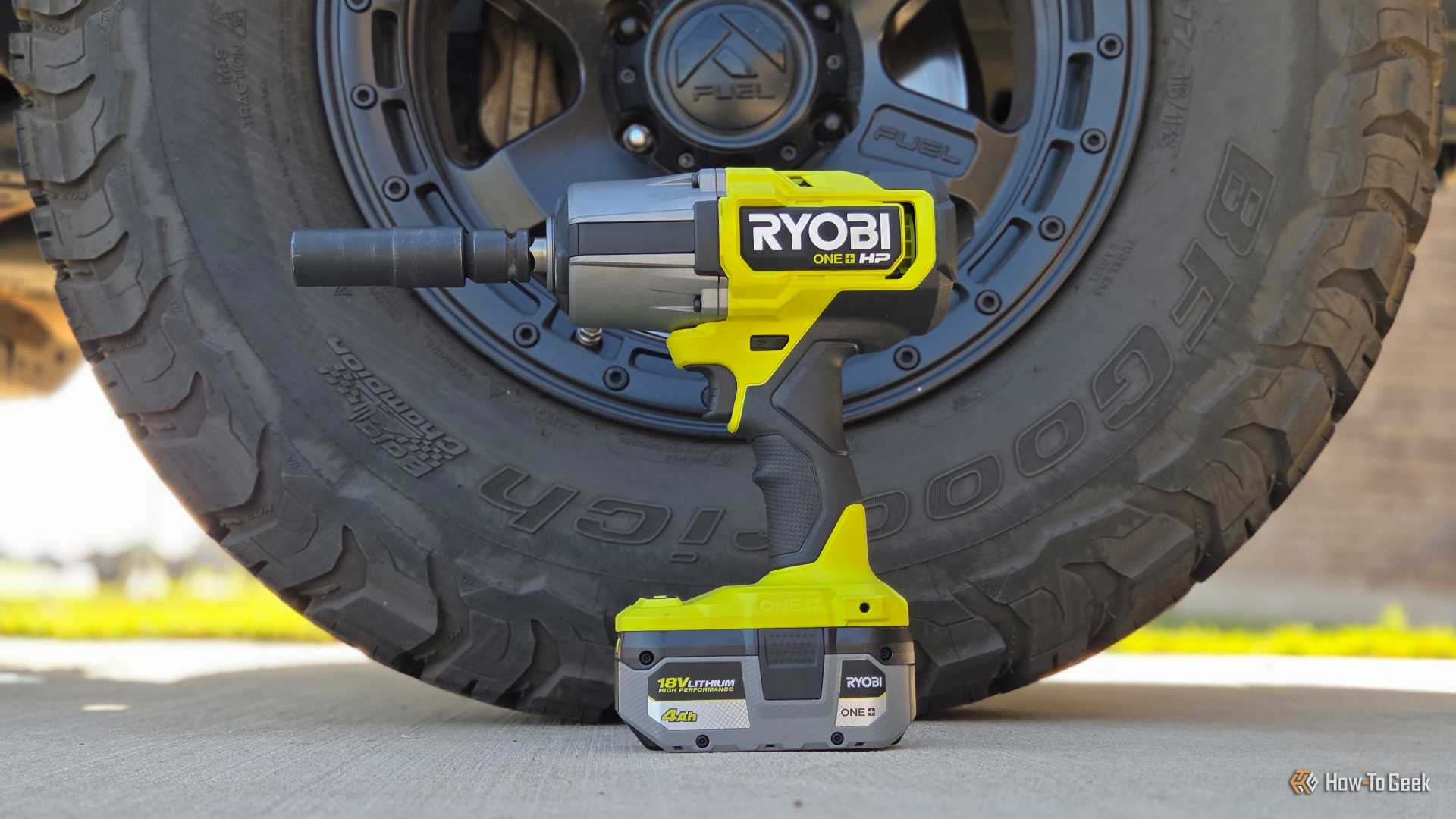
By settling on two primary platforms—Milwaukee 12V for precision and frequent use, and Ryobi 18V for power and specialty tasks—Campanale maintains a clean, organized workspace. This strategy allows for a streamlined charging station where only two types of batteries need to be maintained. While he acknowledges that he may eventually transition his high-power needs to Milwaukee’s 18V (M18) line, the current two-platform split provides the perfect balance of performance and economy.
There are, of course, exceptions to every rule, but they must be handled with care. In Campanale’s shop, non-standard batteries are only permitted for highly specific, isolated purposes. A Greenworks 40V leaf blower, for instance, serves a singular outdoor function and was a gift, meaning its presence didn’t require a conscious investment in a new ecosystem. Similarly, a DongCheng 20V drill serves as a dedicated "indoor-only" tool. These are outliers rather than the foundation of the workshop. The core philosophy remains: do not spend significant capital on a third or fourth platform unless there is a revolutionary reason to do so.
Before You Pick a Battery Platform, Make Sure It Has What You Need
Ultimately, the choice of a power tool platform is a personal one that should be dictated by the specific needs of the user’s projects. Patrick Campanale’s journey began with the Milwaukee M12 line because of a specific deal and a preference for the compact form factor. The addition of the Ryobi 18V kit came later, as the need for more specialized and high-power tools grew.
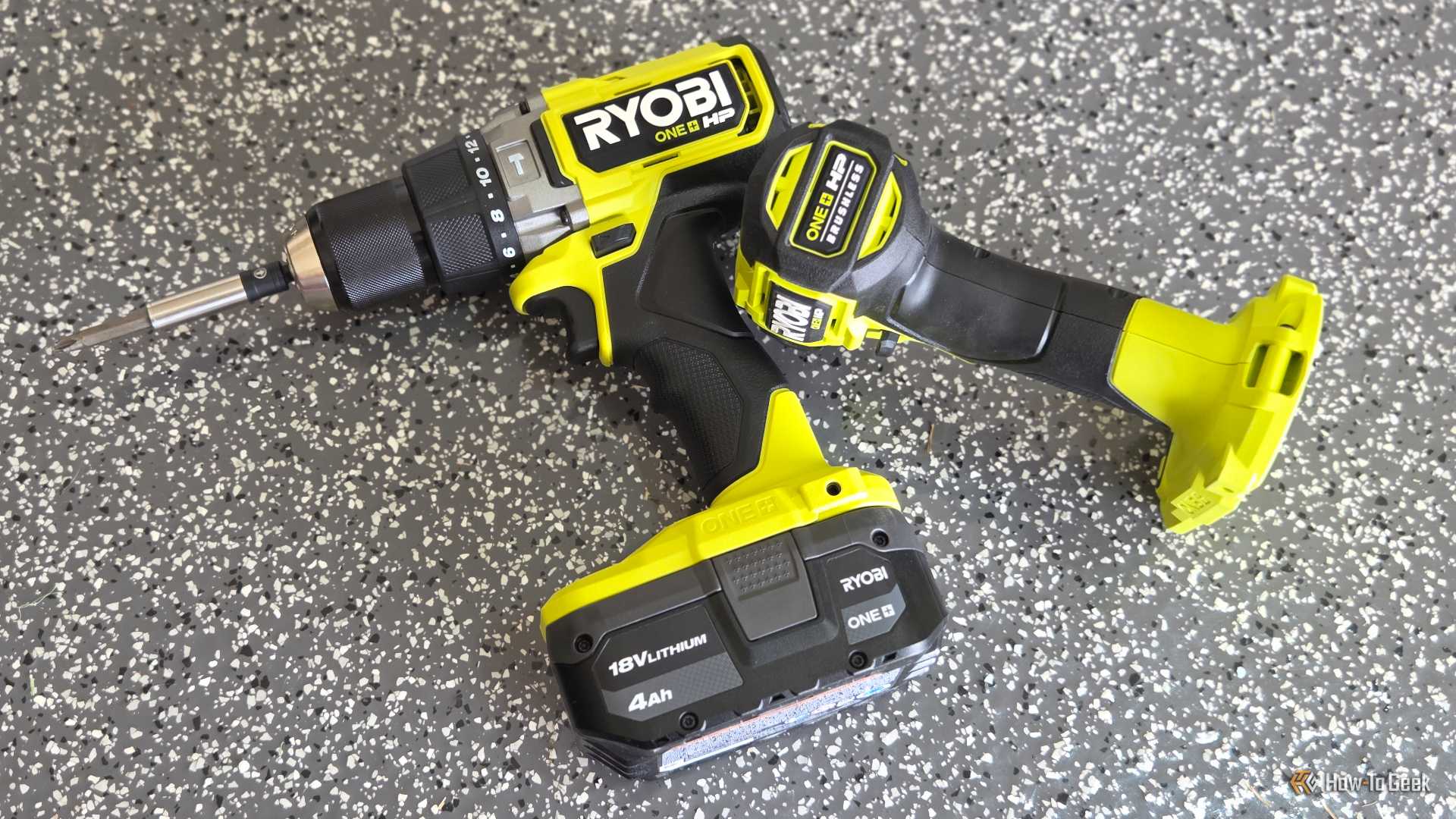
This evolved setup reflects a mature understanding of the tool market. It acknowledges that no single brand is the best at everything. Milwaukee offers the refinement, ergonomics, and durability required for the tools that live in a maker’s hands for hours on end. Ryobi offers the versatility and affordability required to fill out a workshop with the niche tools that make complex projects possible.
By adhering to a two-platform limit, DIYers and professionals can avoid the "charger clutter" that plagues so many shops while still enjoying the best of both worlds. Milwaukee and Ryobi can indeed coexist, provided the user understands the strengths of each and assigns them roles that play to those advantages. In the end, the tools are there to serve the project—and a smart, dual-platform strategy ensures that the right tool is always available at the right price.
 Tech Tutorials & How-To Guides
The Great Big-Box Battle: Evaluating the Power Tool Ecosystems of Ryobi, Craftsman, and Hyper Tough
For the modern homeowner or the burgeoning DIY enthusiast, the walk down...
 Tech Tutorials & How-To Guides
Reliability Without the Premium Price: The Evolution of Affordable Multi-Tools for Modern Everyday Carry
The concept of "Everyday Carry," or EDC, has evolved from a niche...
 Tech Tutorials & How-To Guides
The Case for the Cathode Ray Tube: Why Your Old Monitor is a Treasure, Not Trash
In an era defined by ultra-thin OLED panels, 4K resolutions, and refresh...







