
Ryobi’s Lineup is Way More Expansive and Normally Cheaper for One-Off Tools
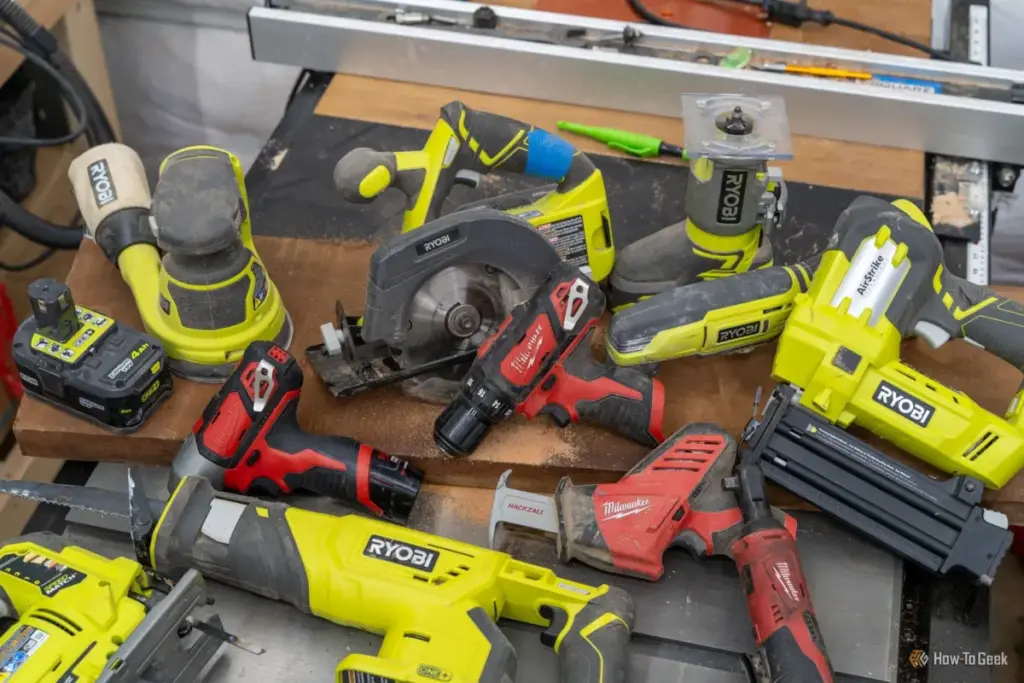
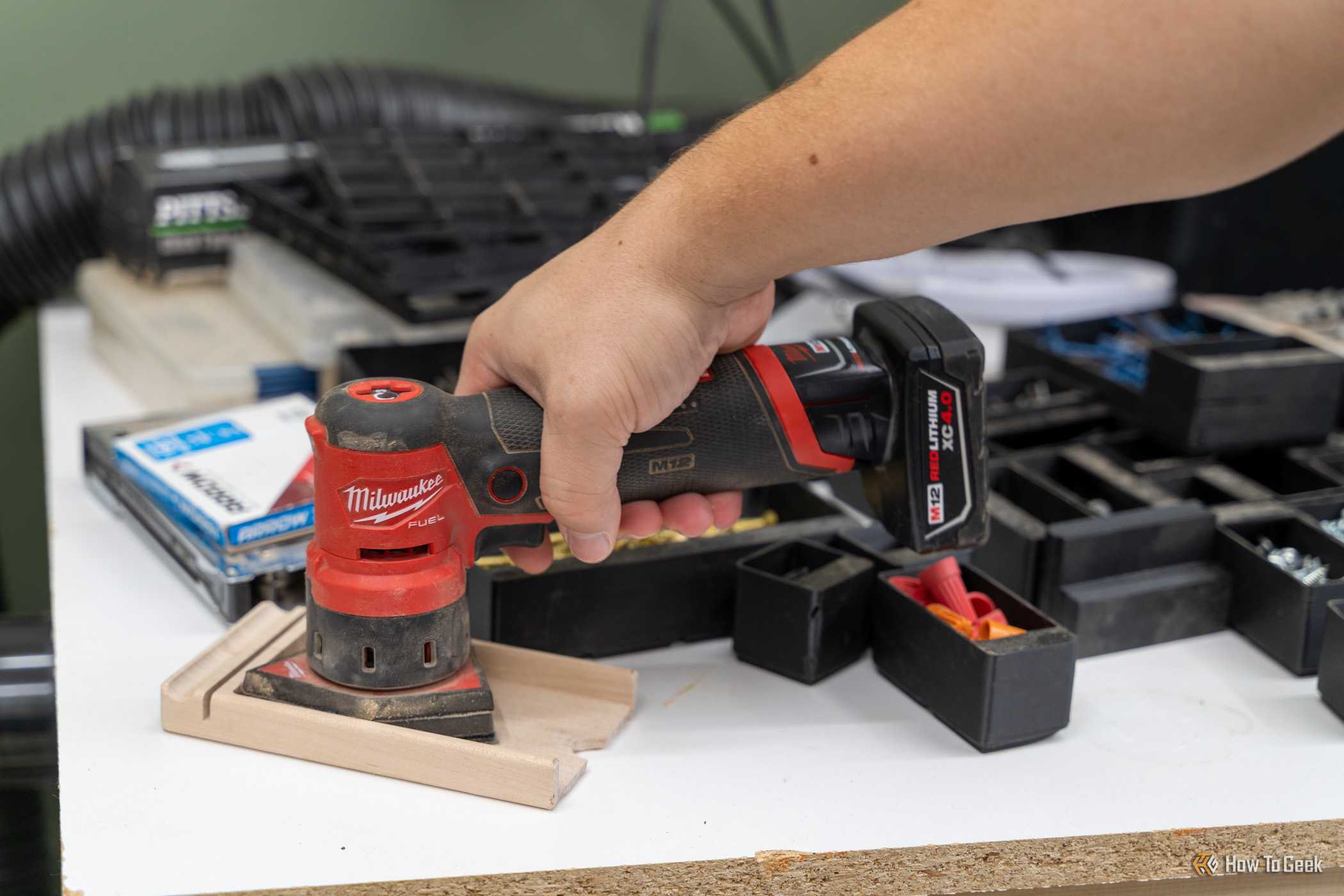
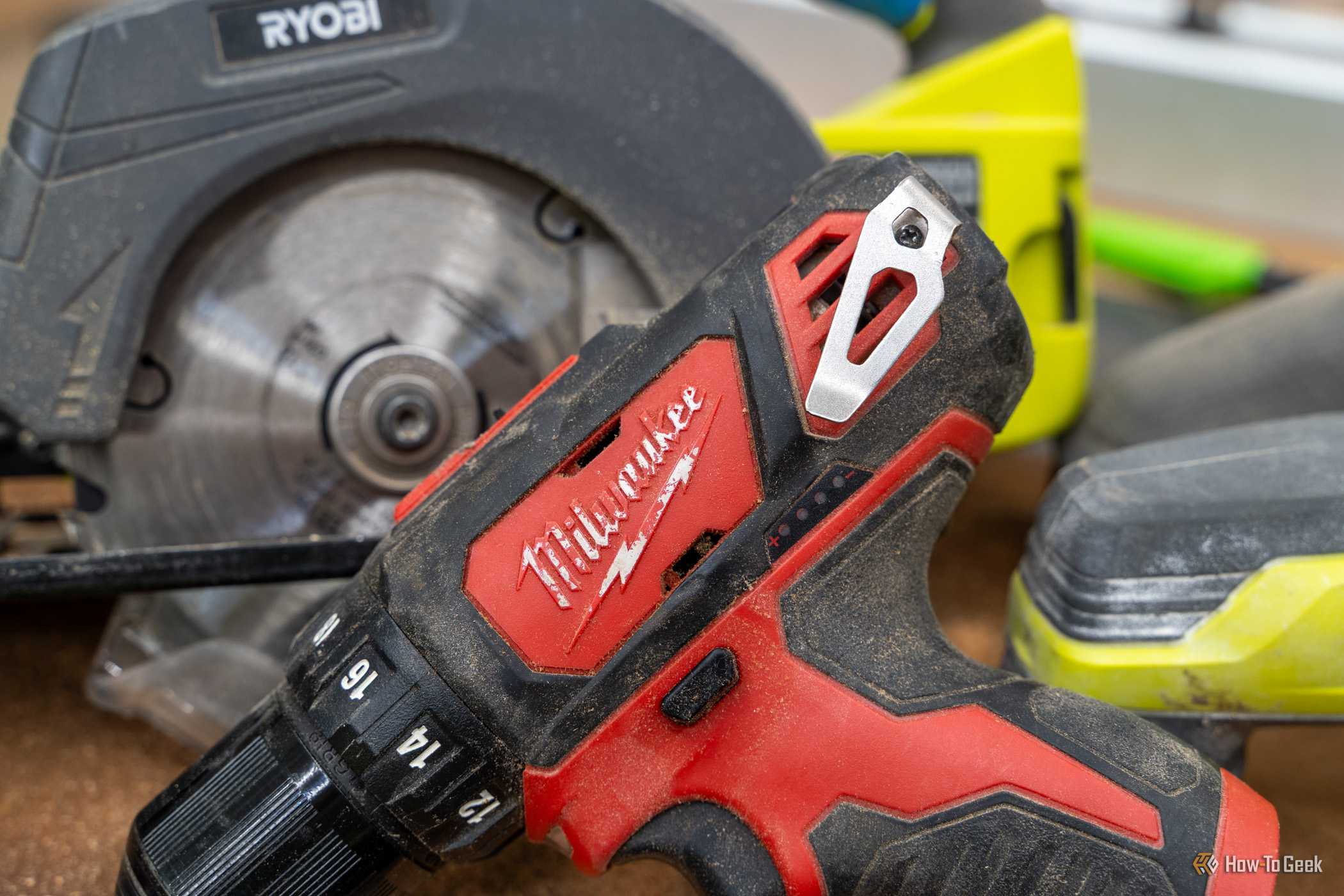
If Milwaukee is the scalpel of the workshop, Ryobi is the Swiss Army knife. The question then arises: if Milwaukee is the preferred choice for daily use, why keep Ryobi around at all? The answer lies in the sheer breadth of the Ryobi 18V ONE+ ecosystem and the undeniable economic advantage it offers for specialized equipment.
Ryobi has positioned itself as the "everything" brand. Their catalog includes tools that professional-grade brands like Milwaukee or DeWalt often overlook or price out of the reach of the average hobbyist. From chemical sprayers and misting fans to specialized crafting tools, Ryobi’s 18V platform covers a spectrum of utility that is unmatched in the industry. For Campanale, the Ryobi platform serves two critical functions: providing higher-voltage power when 12V isn’t enough and offering a cost-effective solution for "one-off" tools.
The financial disparity between the two brands is perhaps the most compelling argument for a dual-platform shop. Specialized tools that are used only occasionally—such as a cordless caulking gun or a brad nailer—can see massive price differences between the professional and consumer tiers. For example, a Milwaukee M12 cordless caulking gun typically retails for around $179. In contrast, the Ryobi 18V version of the same tool is priced at approximately $84. This represents a nearly $100 saving for a tool that, for many makers, might only be pulled off the shelf a few times a year.
The same logic applies to pneumatic-replacement tools. A Milwaukee M12 18-gauge brad nailer carries a price tag of roughly $279 (occasionally on sale for $229). Meanwhile, Ryobi’s 18V 18-gauge AirStrike brad nailer is available for $149 at full price. While the Milwaukee version may offer a more refined firing mechanism or a more compact body, the Ryobi version performs the same core task for significantly less money. For a tool that isn’t a daily driver, the "value-per-use" ratio leans heavily toward Ryobi.
Additionally, the Ryobi platform is more accessible through secondary markets. Between the frequent sales at Home Depot, the availability of refurbished units through outlets like Direct Tools, and a robust second-hand market on platforms like Facebook Marketplace, expanding a Ryobi collection is significantly easier on the wallet. For high-torque applications, such as automotive work involving large impact wrenches, Ryobi provides a "good enough" level of performance that far exceeds budget brands like Hart or Hyper Tough, without reaching the premium price points of Milwaukee’s M18 heavy-duty line.
I Don’t Want to Have More Than Two Battery Ecosystems in My Shop
While the benefits of mixing brands are clear, there is a dangerous slippery slope that every tool owner must navigate: ecosystem fatigue. The modern tool market is a fractured landscape of proprietary battery connections. Between Bosch 12V and 18V, Milwaukee M12 and M18, DeWalt 20V MAX, Kobalt 24V, and various 40V or 80V outdoor lines, a workshop can quickly become a chaotic mess of plastic bricks and tangled charging cables.
 Tech Tutorials & How-To Guides
The Best Netflix Miniseries to Binge on a Sick Day: A Curated Guide to Recovery Viewing
There is a specific, universal rhythm to the onset of a seasonal...
 Tech Tutorials & How-To Guides
Unlocking the Hidden Diagnostic Power of Amazon Fire TV: A Deep Dive into Developer Tools and System Transparency
The Amazon Fire TV ecosystem has evolved from a simple portal for...
 Tech Tutorials & How-To Guides
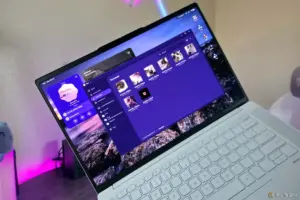
Google Transitions Beyond Chromebooks: A Deep Look at the New Googlebook OS and Its Enhanced Local File Management
The landscape of portable computing has undergone a seismic shift with the...







