
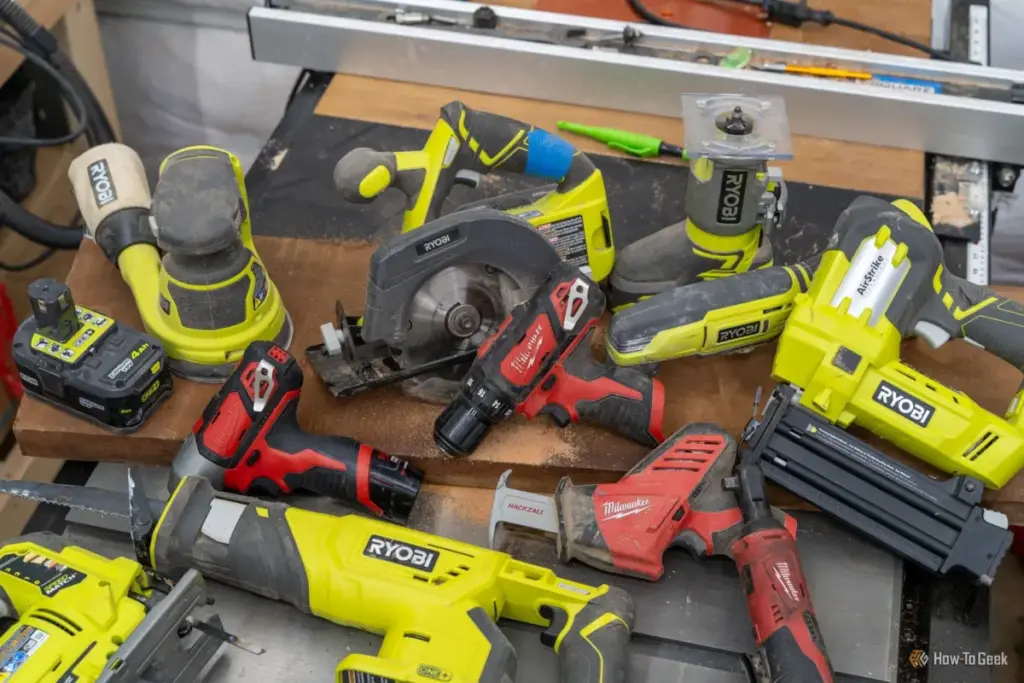
For the modern maker, DIY enthusiast, or professional tradesperson, the decision to commit to a specific power tool battery platform can feel strangely momentous. In a market where brand loyalty is often treated with the same reverence as a lifelong commitment, choosing between the red of Milwaukee, the lime green of Ryobi, or the yellow of DeWalt feels less like a simple purchase and more like a permanent lifestyle choice. The stakes, while perhaps not as high as a mortgage, carry a sense of permanence; once you have invested hundreds or even thousands of dollars into a specific ecosystem of batteries and chargers, switching tracks becomes an expensive and logistical nightmare.
However, the conventional wisdom that a workshop must be a monolithic shrine to a single brand is increasingly being challenged by practical experience. Patrick Campanale, a tech industry veteran with over a decade of experience specializing in PC gaming news, custom manufacturing, and maker-focused technology, argues that the "one-brand" rule is a myth that may actually be hindering productivity and budget management. With a background that spans from the early days of the Palm/webOS ecosystem to high-end custom PC building and professional woodworking, Campanale has spent years refining a workshop strategy that prioritizes utility over brand purity.
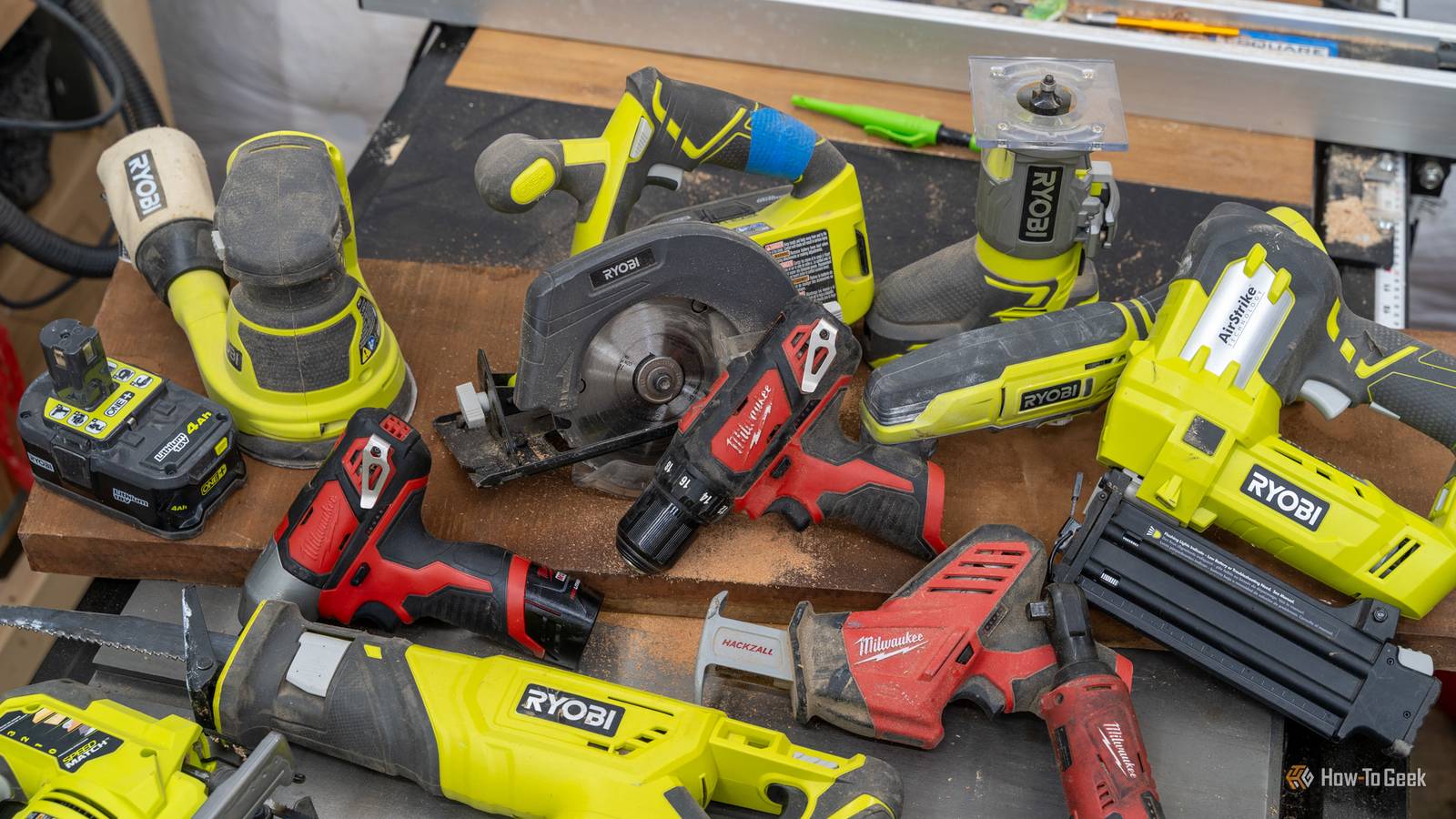
In his own professional-grade two-car garage workshop, Campanale has found a middle ground that balances performance with fiscal responsibility. By running a dual-platform system—leveraging Milwaukee’s M12 line alongside Ryobi’s 18V ONE+ ecosystem—he has developed a blueprint for how two seemingly disparate tool lines can not only coexist but thrive. The secret to this success lies in a simple, disciplined rule: every tool must have a specific purpose, and every platform must justify its footprint on the charging station.

The Tools I Reach for Often Are Almost Always Milwaukee
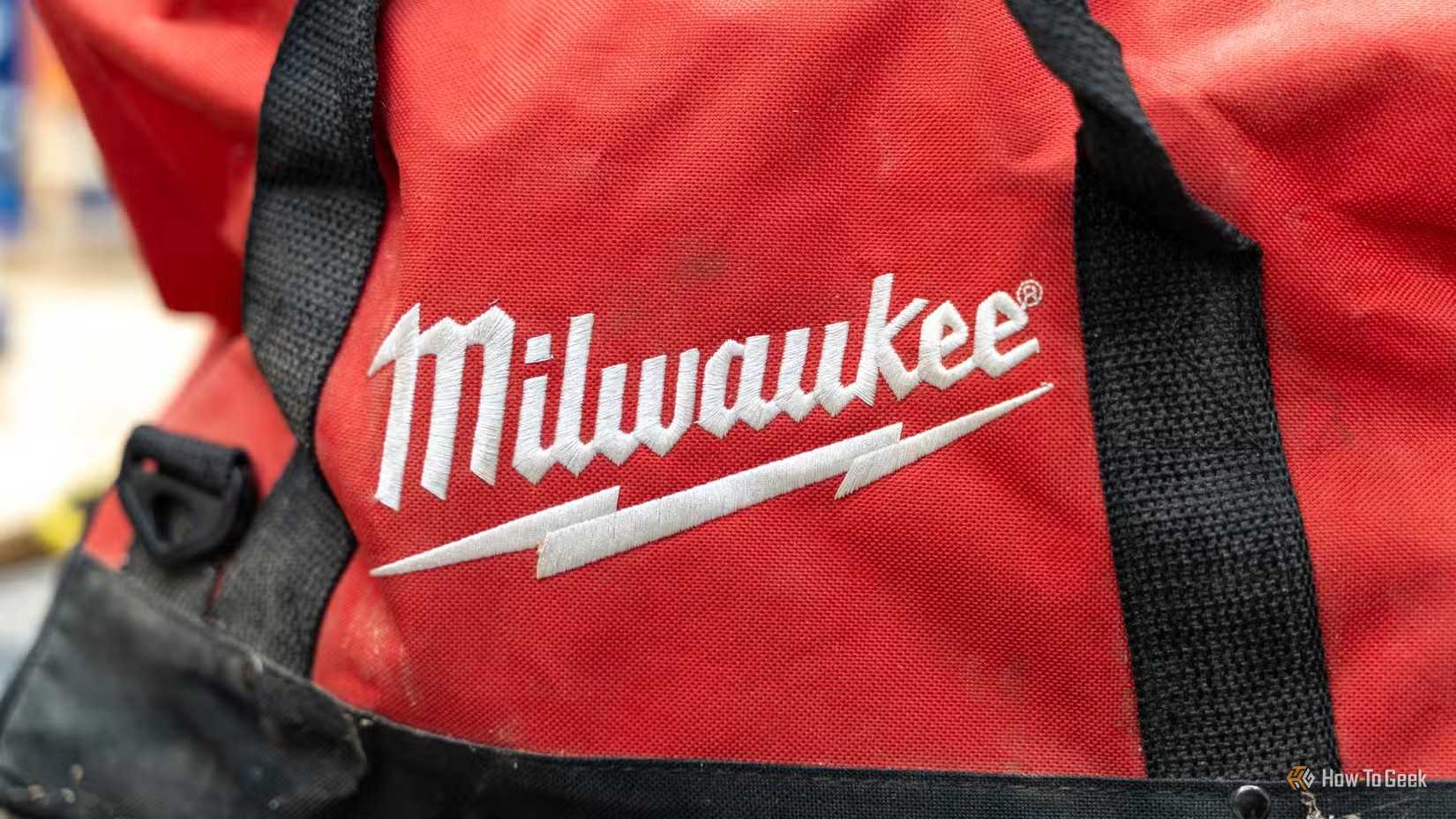
When it comes to the primary workhorses of a workshop—the drills, impact drivers, and fasteners that see daily use—the choice often comes down to ergonomics and refined power. For Campanale, these "front-line" tools are almost exclusively Milwaukee. Having spent a lifetime around power tools, including a childhood using his father’s Ryobi gear, the transition to Milwaukee’s 12V (M12) system was a deliberate move toward precision and comfort.
There is a common misconception in the tool world that higher voltage always equates to a better tool. While 18V and 20V systems certainly offer more raw power for heavy-duty construction, the 12V category has seen a massive technological surge in recent years. Milwaukee’s M12 line, in particular, has proven that compact tools can handle surprisingly large jobs. For a maker who spends hours in the shop—whether building custom furniture or working on high-end PC rigs—the weight and balance of a tool become paramount.
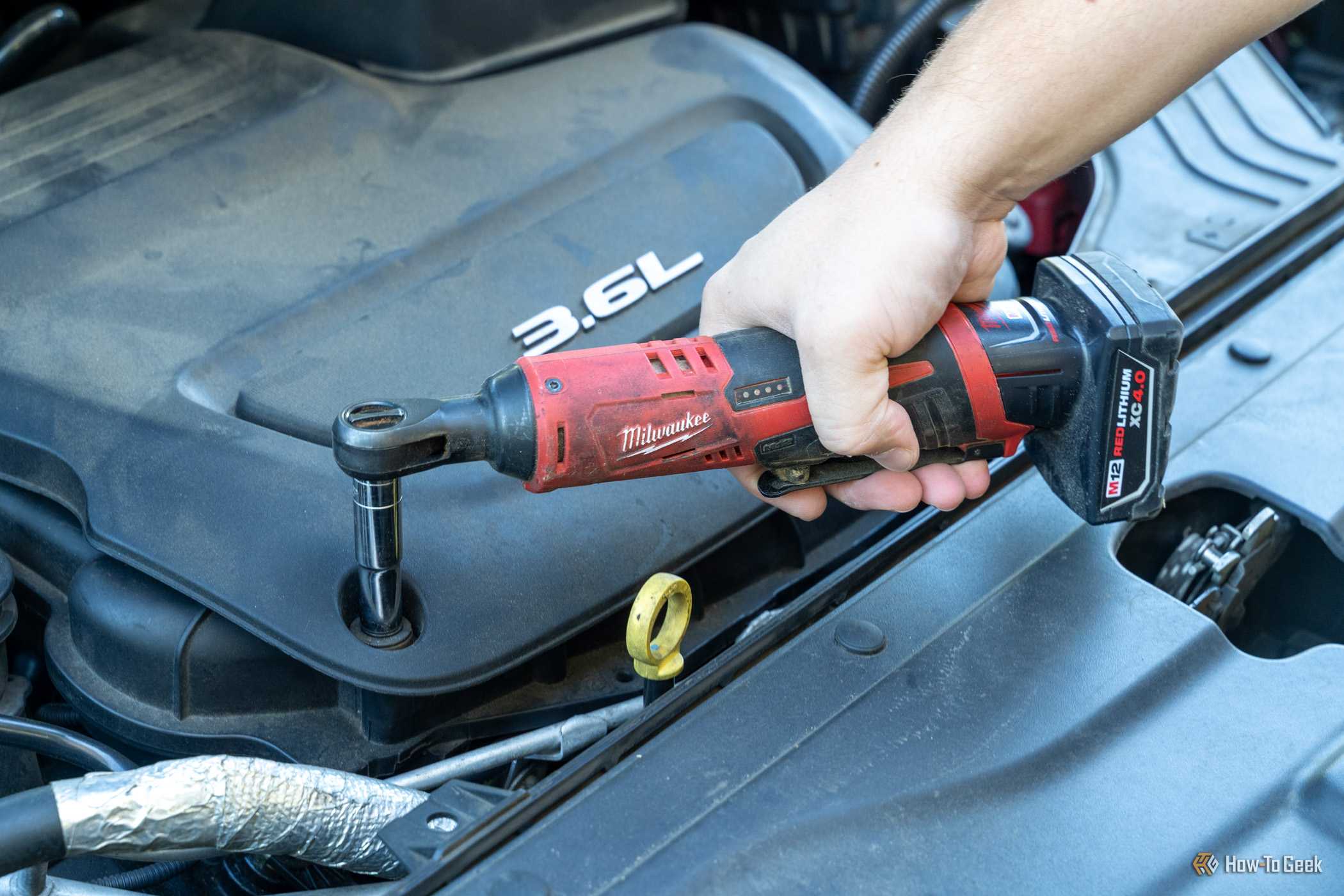
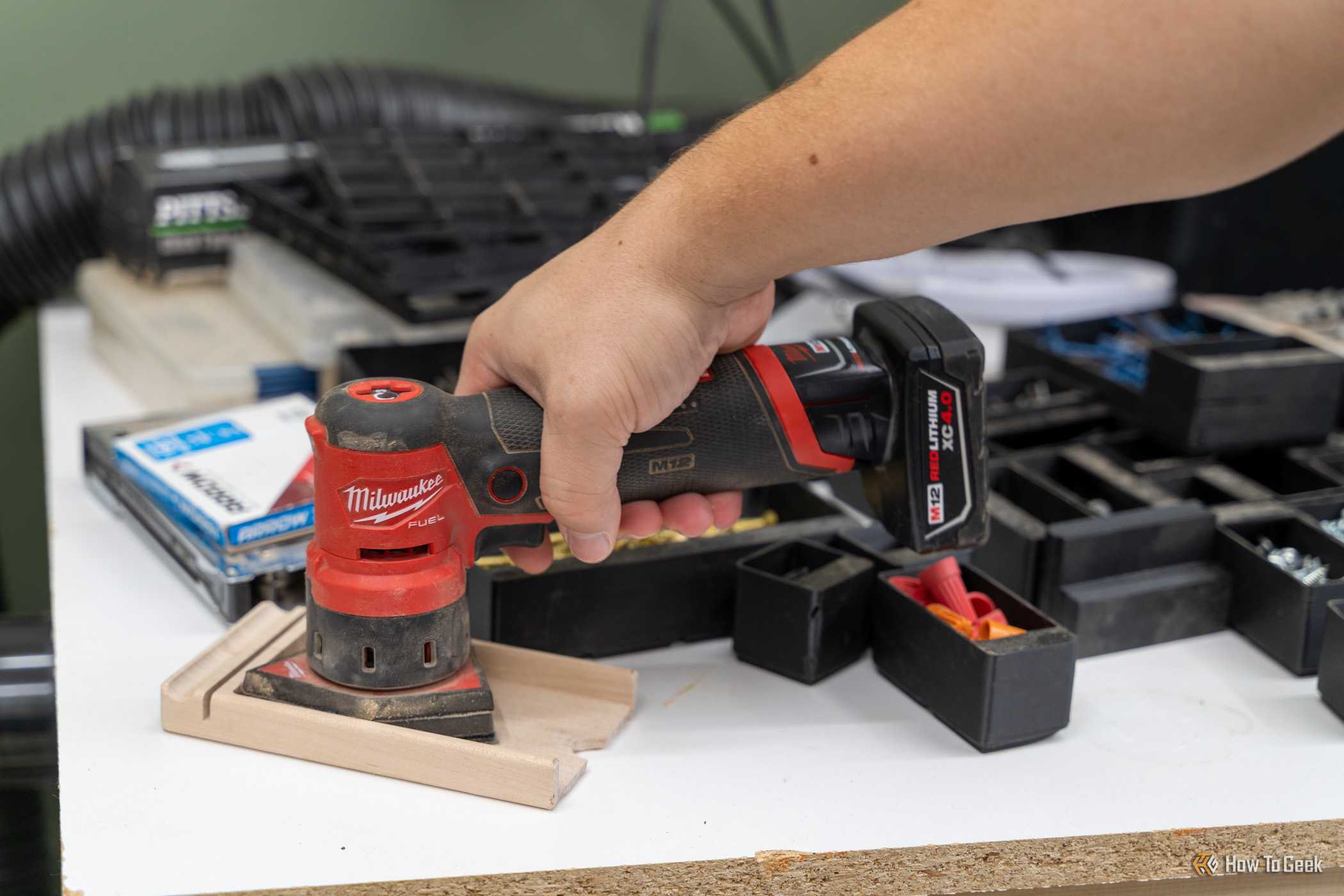
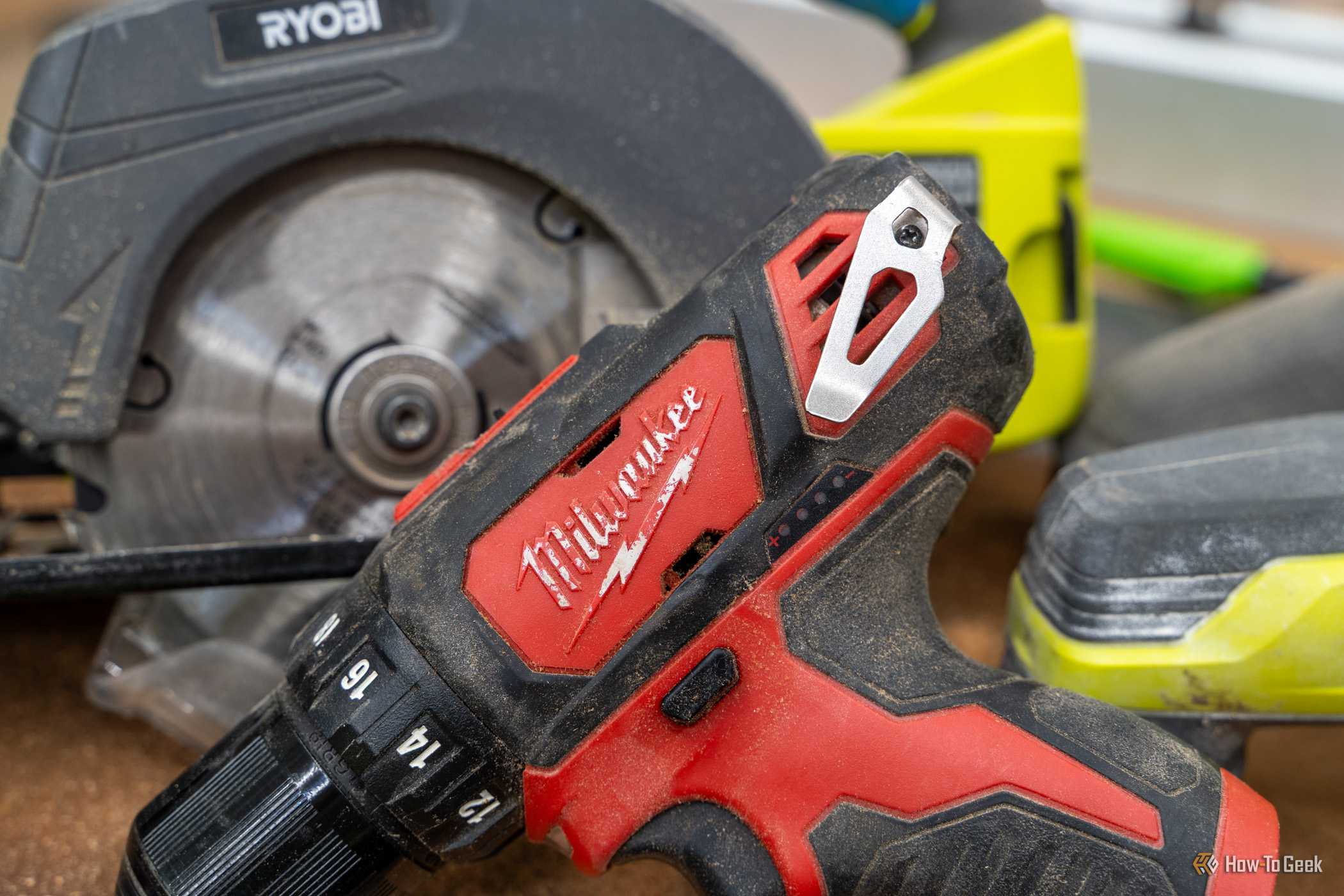
The Milwaukee M12 tools are favored in this dual-platform setup because they deliver a fantastic user experience without the added bulk of larger battery packs. They fit better in the hand, allow for easier access into tight corners, and reduce the physical fatigue that comes with repetitive tasks. Despite being "only" 12V, these tools provide the torque and power necessary for the vast majority of woodworking and shop tasks. They have proven their durability through significant abuse, holding up where lesser tools might have failed.
Furthermore, the choice of Milwaukee for the 12V slot is a matter of market availability. While Ryobi dominates the 18V consumer space, they lack a robust 12V ecosystem. Ryobi offers some 4V specialized tools, but their primary focus remains on the 18V, 40V, and 80V lines. For those who want the best-in-class performance in a compact form factor, Milwaukee’s M12 line occupies a niche that Ryobi simply doesn’t prioritize.
Ryobi’s Lineup is Way More Expansive and Normally Cheaper for One-Off Tools
If Milwaukee is the scalpel of the workshop, Ryobi is the Swiss Army knife. The question then arises: if Milwaukee is the preferred choice for daily use, why keep Ryobi around at all? The answer lies in the sheer breadth of the Ryobi 18V ONE+ ecosystem and the undeniable economic advantage it offers for specialized equipment.
Ryobi has positioned itself as the "everything" brand. Their catalog includes tools that professional-grade brands like Milwaukee or DeWalt often overlook or price out of the reach of the average hobbyist. From chemical sprayers and misting fans to specialized crafting tools, Ryobi’s 18V platform covers a spectrum of utility that is unmatched in the industry. For Campanale, the Ryobi platform serves two critical functions: providing higher-voltage power when 12V isn’t enough and offering a cost-effective solution for "one-off" tools.
The financial disparity between the two brands is perhaps the most compelling argument for a dual-platform shop. Specialized tools that are used only occasionally—such as a cordless caulking gun or a brad nailer—can see massive price differences between the professional and consumer tiers. For example, a Milwaukee M12 cordless caulking gun typically retails for around $179. In contrast, the Ryobi 18V version of the same tool is priced at approximately $84. This represents a nearly $100 saving for a tool that, for many makers, might only be pulled off the shelf a few times a year.
The same logic applies to pneumatic-replacement tools. A Milwaukee M12 18-gauge brad nailer carries a price tag of roughly $279 (occasionally on sale for $229). Meanwhile, Ryobi’s 18V 18-gauge AirStrike brad nailer is available for $149 at full price. While the Milwaukee version may offer a more refined firing mechanism or a more compact body, the Ryobi version performs the same core task for significantly less money. For a tool that isn’t a daily driver, the "value-per-use" ratio leans heavily toward Ryobi.
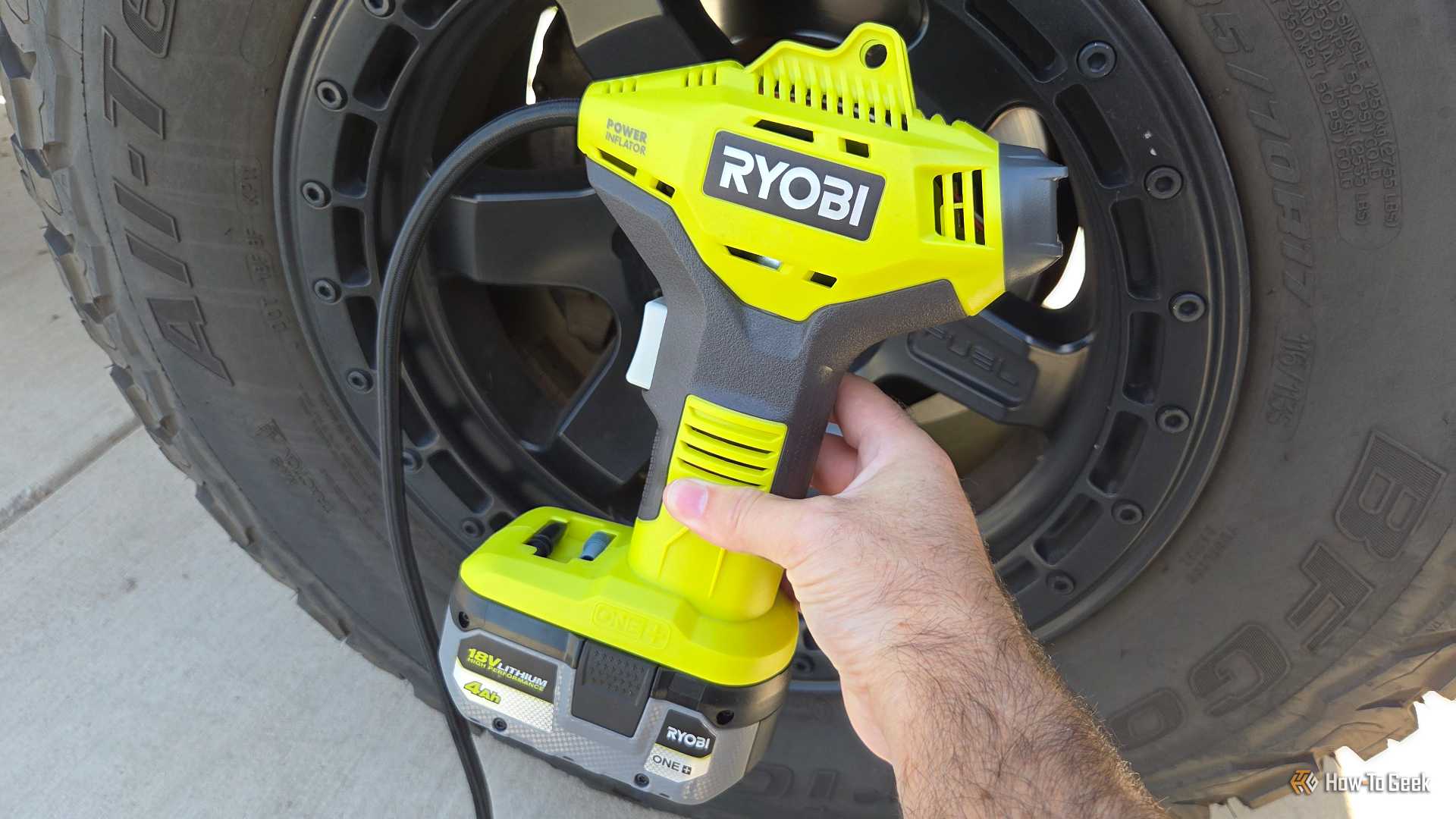
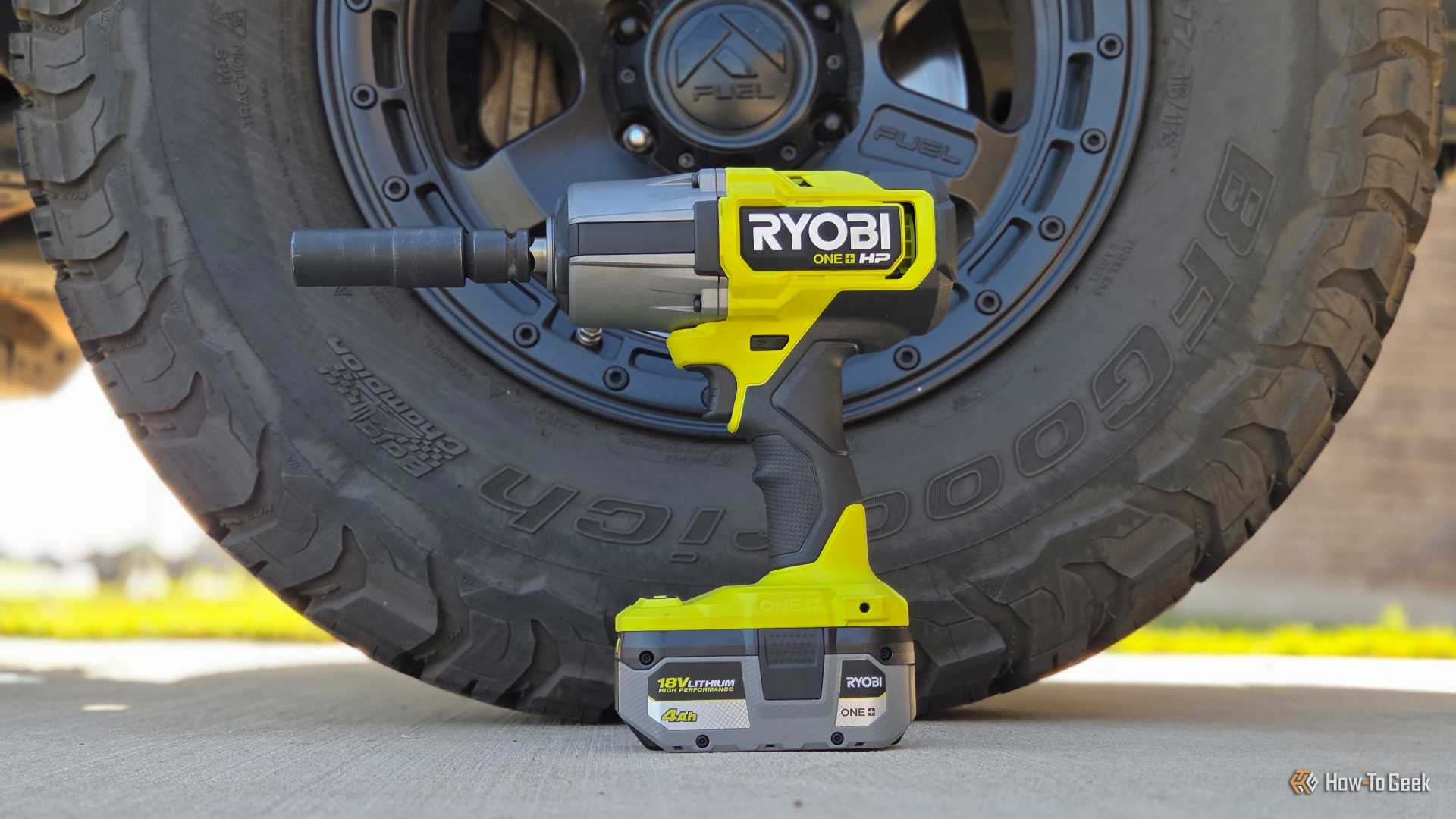
Additionally, the Ryobi platform is more accessible through secondary markets. Between the frequent sales at Home Depot, the availability of refurbished units through outlets like Direct Tools, and a robust second-hand market on platforms like Facebook Marketplace, expanding a Ryobi collection is significantly easier on the wallet. For high-torque applications, such as automotive work involving large impact wrenches, Ryobi provides a "good enough" level of performance that far exceeds budget brands like Hart or Hyper Tough, without reaching the premium price points of Milwaukee’s M18 heavy-duty line.
I Don’t Want to Have More Than Two Battery Ecosystems in My Shop
While the benefits of mixing brands are clear, there is a dangerous slippery slope that every tool owner must navigate: ecosystem fatigue. The modern tool market is a fractured landscape of proprietary battery connections. Between Bosch 12V and 18V, Milwaukee M12 and M18, DeWalt 20V MAX, Kobalt 24V, and various 40V or 80V outdoor lines, a workshop can quickly become a chaotic mess of plastic bricks and tangled charging cables.
The "Simple Rule" that Campanale advocates for is the strict limitation of primary battery platforms. A workshop loses its efficiency when a user has to manage a dozen different chargers just to finish a single project. We have all seen the disorganized garage where a drill requires one charger, a saw requires another, and a specialty tool requires a third, none of which are interchangeable. This lack of cohesion works against the user, creating a logistical burden that slows down the creative process.
By settling on two primary platforms—Milwaukee 12V for precision and frequent use, and Ryobi 18V for power and specialty tasks—Campanale maintains a clean, organized workspace. This strategy allows for a streamlined charging station where only two types of batteries need to be maintained. While he acknowledges that he may eventually transition his high-power needs to Milwaukee’s 18V (M18) line, the current two-platform split provides the perfect balance of performance and economy.
There are, of course, exceptions to every rule, but they must be handled with care. In Campanale’s shop, non-standard batteries are only permitted for highly specific, isolated purposes. A Greenworks 40V leaf blower, for instance, serves a singular outdoor function and was a gift, meaning its presence didn’t require a conscious investment in a new ecosystem. Similarly, a DongCheng 20V drill serves as a dedicated "indoor-only" tool. These are outliers rather than the foundation of the workshop. The core philosophy remains: do not spend significant capital on a third or fourth platform unless there is a revolutionary reason to do so.
Before You Pick a Battery Platform, Make Sure It Has What You Need
Ultimately, the choice of a power tool platform is a personal one that should be dictated by the specific needs of the user’s projects. Patrick Campanale’s journey began with the Milwaukee M12 line because of a specific deal and a preference for the compact form factor. The addition of the Ryobi 18V kit came later, as the need for more specialized and high-power tools grew.
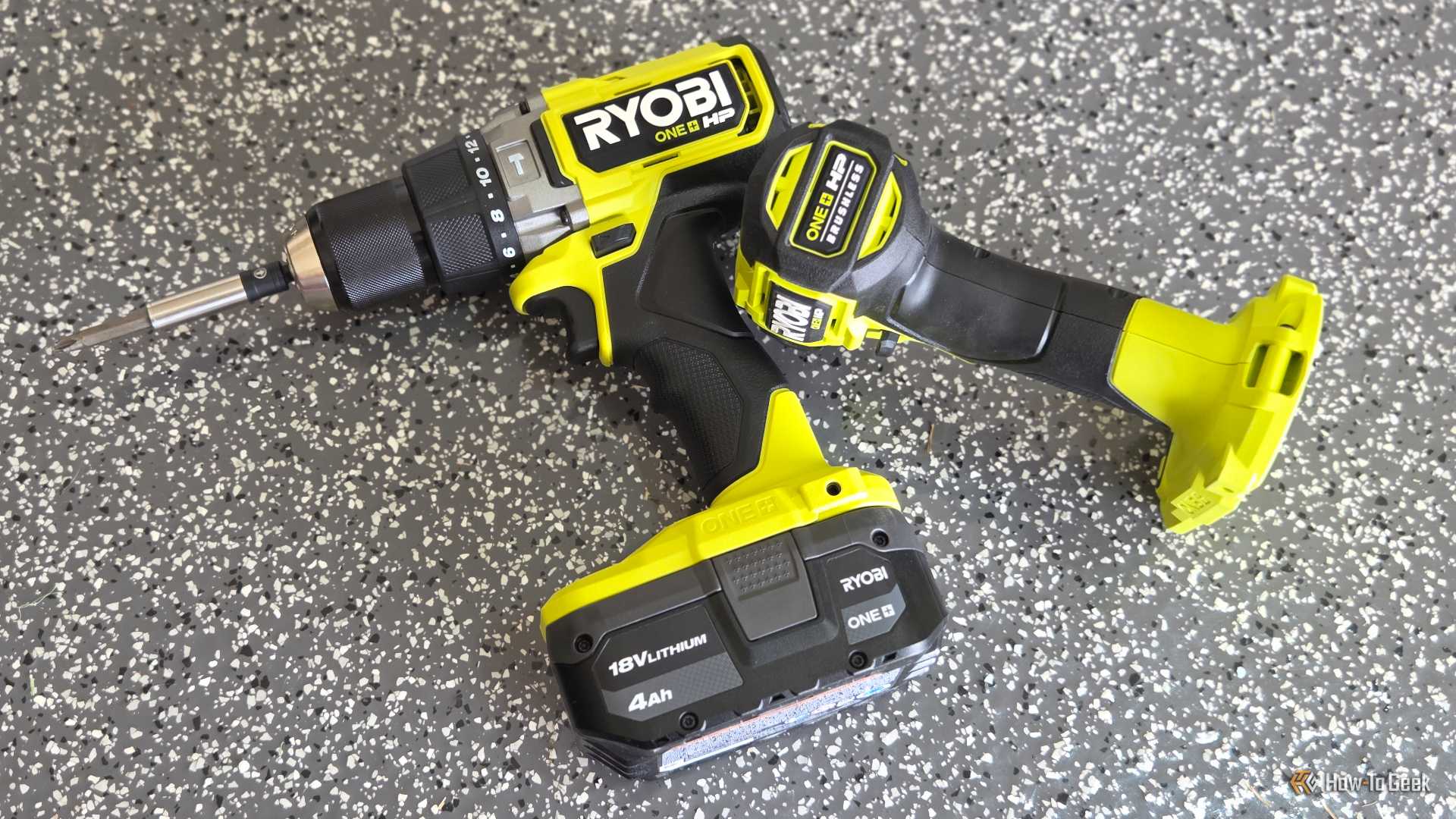
This evolved setup reflects a mature understanding of the tool market. It acknowledges that no single brand is the best at everything. Milwaukee offers the refinement, ergonomics, and durability required for the tools that live in a maker’s hands for hours on end. Ryobi offers the versatility and affordability required to fill out a workshop with the niche tools that make complex projects possible.
By adhering to a two-platform limit, DIYers and professionals can avoid the "charger clutter" that plagues so many shops while still enjoying the best of both worlds. Milwaukee and Ryobi can indeed coexist, provided the user understands the strengths of each and assigns them roles that play to those advantages. In the end, the tools are there to serve the project—and a smart, dual-platform strategy ensures that the right tool is always available at the right price.
 Tech Tutorials & How-To Guides
The Cost of Convenience: Analyzing the Value Proposition of Milwaukee’s M18 Cordless Lineup
In the modern landscape of construction and woodworking, the corded power tool...
 Tech Tutorials & How-To Guides
Essential Roadside Resilience: Why Modern Drivers are Turning to Portable Battery-Powered Solutions
The modern driving experience is often defined by a sense of seamless...
 Tech Tutorials & How-To Guides
Beyond the Cloud: Why a Shift to Offline Password Management Is Becoming a Necessity for the Security-Conscious
In the modern digital landscape, the password manager has transitioned from a...







