The Proximity Integration: Beyond Simple Geofencing
Standard geofencing is binary: you are either "Home" or "Away." This works well for turning off the lights when you leave, but it is less effective for preparing the home for your arrival. If a thermostat is set to turn on when you enter the "Home" zone, the house may still be uncomfortably cold by the time you actually walk through the front door.
The Proximity integration introduces a vector-based approach to location. Rather than just checking if a user is inside a circle on a map, Proximity tracks the distance from a zone and, crucially, the direction of travel. It can distinguish between a user who is 10 miles away but driving toward the house, and a user who is 10 miles away but driving further into the city.
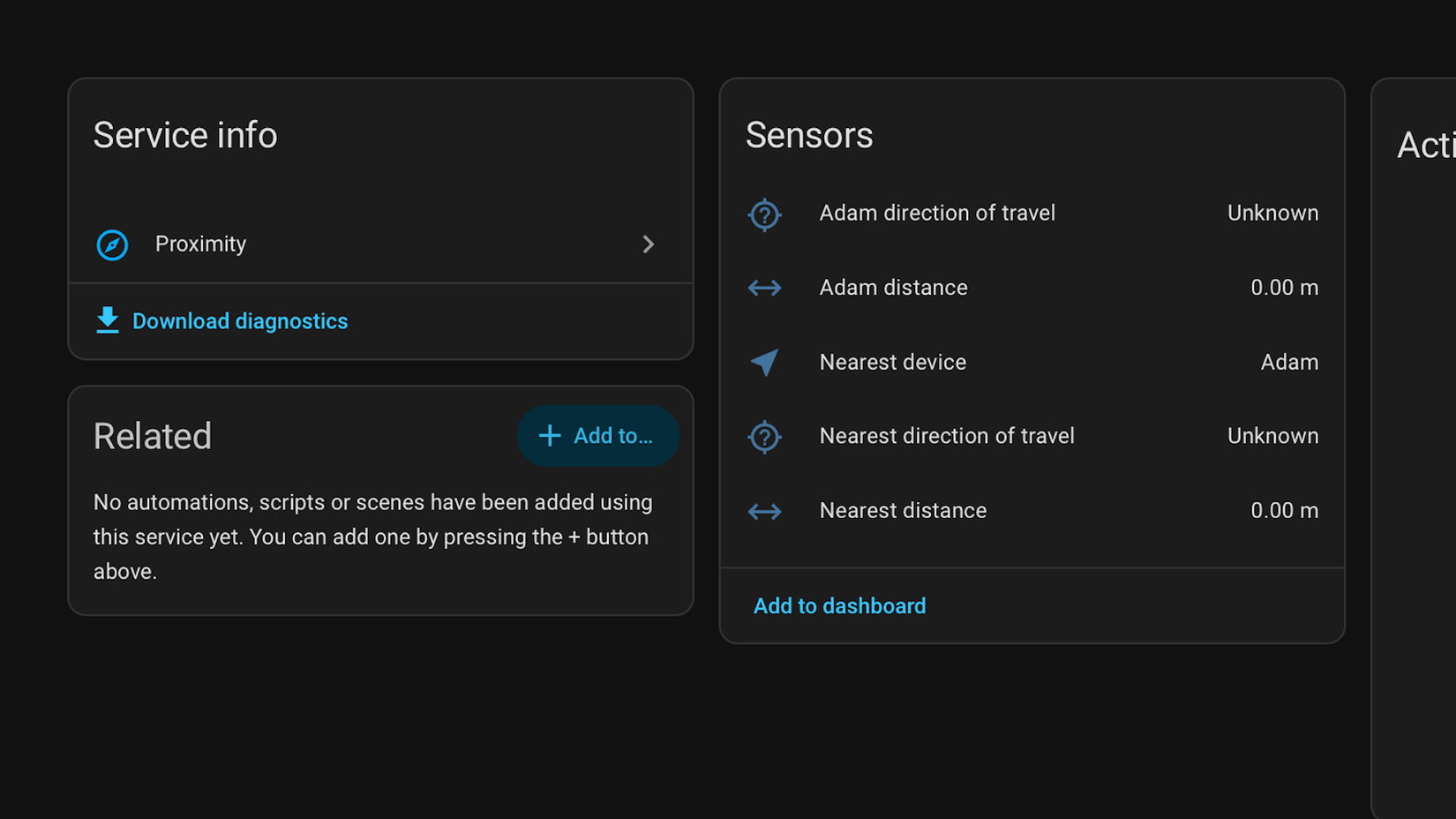
By utilizing this data, Home Assistant can trigger "arrival" automations based on time-to-arrival rather than physical boundaries. This allows the HVAC system to begin pre-heating or cooling the home at the optimal moment, ensuring the environment is perfect the second the door opens, without wasting energy when the user is simply passing by the neighborhood.
Efficiency Through Duration-Based Triggers and Reusable Scripts
The evolution of Home Assistant’s software was highlighted in the 2026.5 update, which expanded the availability of duration-based triggers. While users have long been able to trigger actions based on how long a window has been open, these "for" durations were recently integrated into more specific, purpose-built triggers. This update allows for cleaner, more readable automation code, such as triggering a "house secure" routine only after motion has been cleared for a specific, uninterrupted block of time.
To complement these triggers, Davidson emphasizes the importance of "Reusable Scripts." In the early stages of building a smart home, users often find themselves repeating the same blocks of logic across dozens of different automations—such as the specific sequence of events for a "Critical Alert" that flashes lights and sends phone notifications.

By centralizing these actions into a single script, the user creates a "modular" system. If the user replaces their phone or adds a new smart speaker to the house, they only need to update the logic in one script rather than hunting through fifty separate automations. This "Don’t Repeat Yourself" (DRY) principle, borrowed from software engineering, is what allows a smart home to remain maintainable as it grows from a few devices to hundreds.
As the Home Assistant ecosystem continues to expand, the focus is increasingly shifting from mere connectivity to intelligent orchestration. For users like Davidson, the journey of discovery never truly ends. With each monthly update, the platform inches closer to that "magical" ideal: a home that doesn’t just respond to commands, but anticipates needs through sophisticated, invisible logic. For those who have been using the platform for years, the message is clear: there is almost certainly a feature you are overlooking that could change the way your home lives with you.
 Tech Tutorials & How-To Guides
Amazon Launches Major Discounts on CMF by Nothing Audio Lineup Ahead of Black Friday
As the holiday shopping season approaches, the competition in the consumer electronics...
 Tech Tutorials & How-To Guides
The Hidden Expiry Date: Why Your Smart Home Hardware May Fail Sooner Than You Think
In the early days of the smart home revolution, early adopters were...
 Tech Tutorials & How-To Guides
The Digital Perimeter: How Samsung’s Evolving Privacy Suite Secures Personal Data During Device Sharing
The modern smartphone is no longer just a communication tool; it has...