
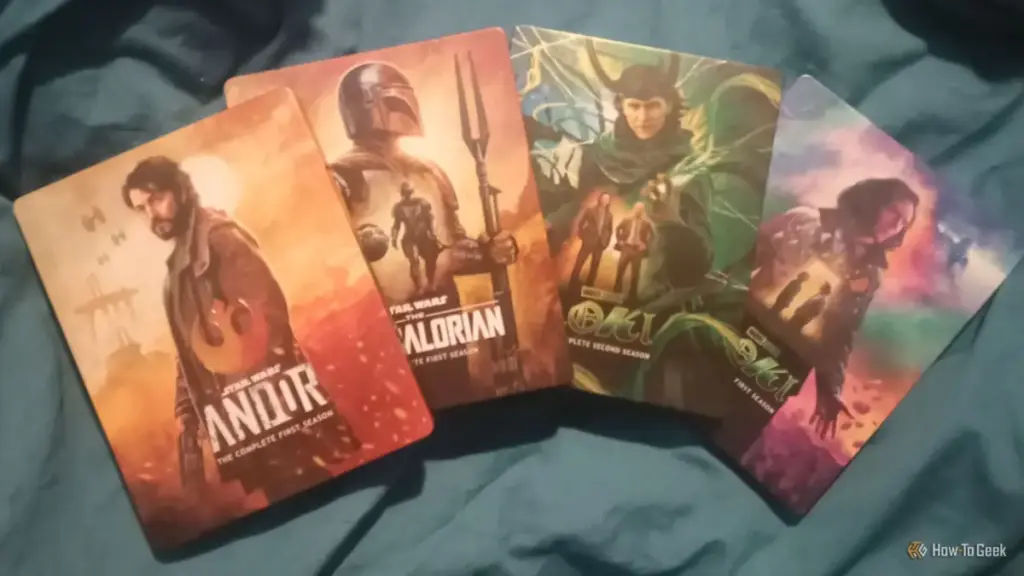
In the contemporary landscape of digital entertainment, the act of consuming a movie has been reduced to a simple click of a "play" icon. For a generation raised on the immediate gratification of Netflix, Disney+, and Max, the concept of physical media often feels like a relic of a bygone era—a clunky necessity of the past. However, as the industry pivots further toward a digital-only future, film enthusiasts and technology historians are beginning to point out a sobering reality: in the transition to streaming, we have lost a suite of sophisticated, interactive, and high-quality features that were once standard on the Blu-ray format.
While most casual viewers view a Blu-ray disc as merely a high-definition delivery vehicle for a film, the format was originally designed as a robust, interactive platform. It offered capabilities that streaming services, even a decade later, have struggled or simply refused to replicate. From complex branching narratives to internet-connected social hubs, the Blu-ray format represented a peak in home theater technology that prioritized the viewer’s experience and the preservation of cinematic history over the convenience of a subscription model.
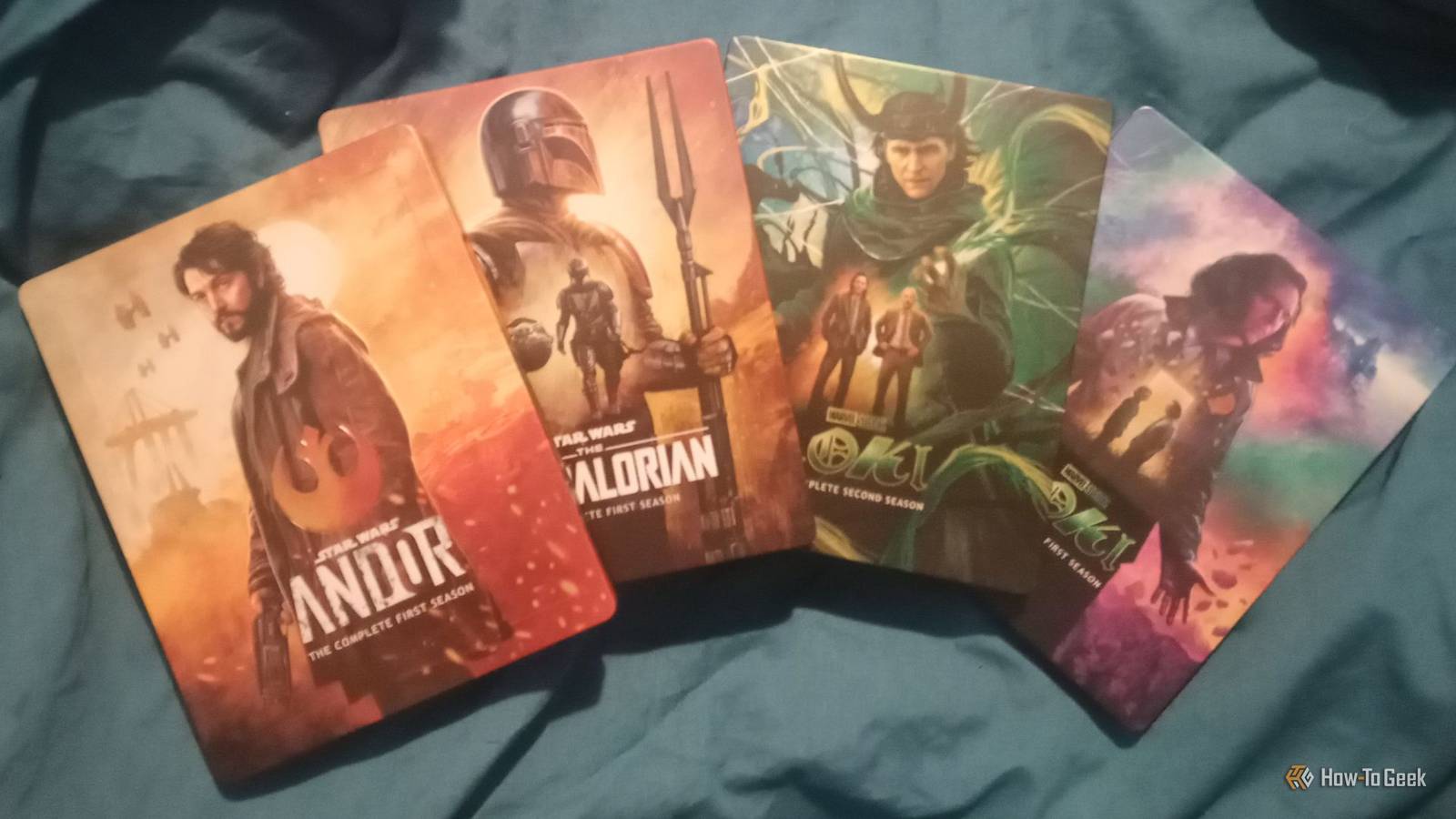
One Disc Can Assemble Several Different Cuts of a Movie
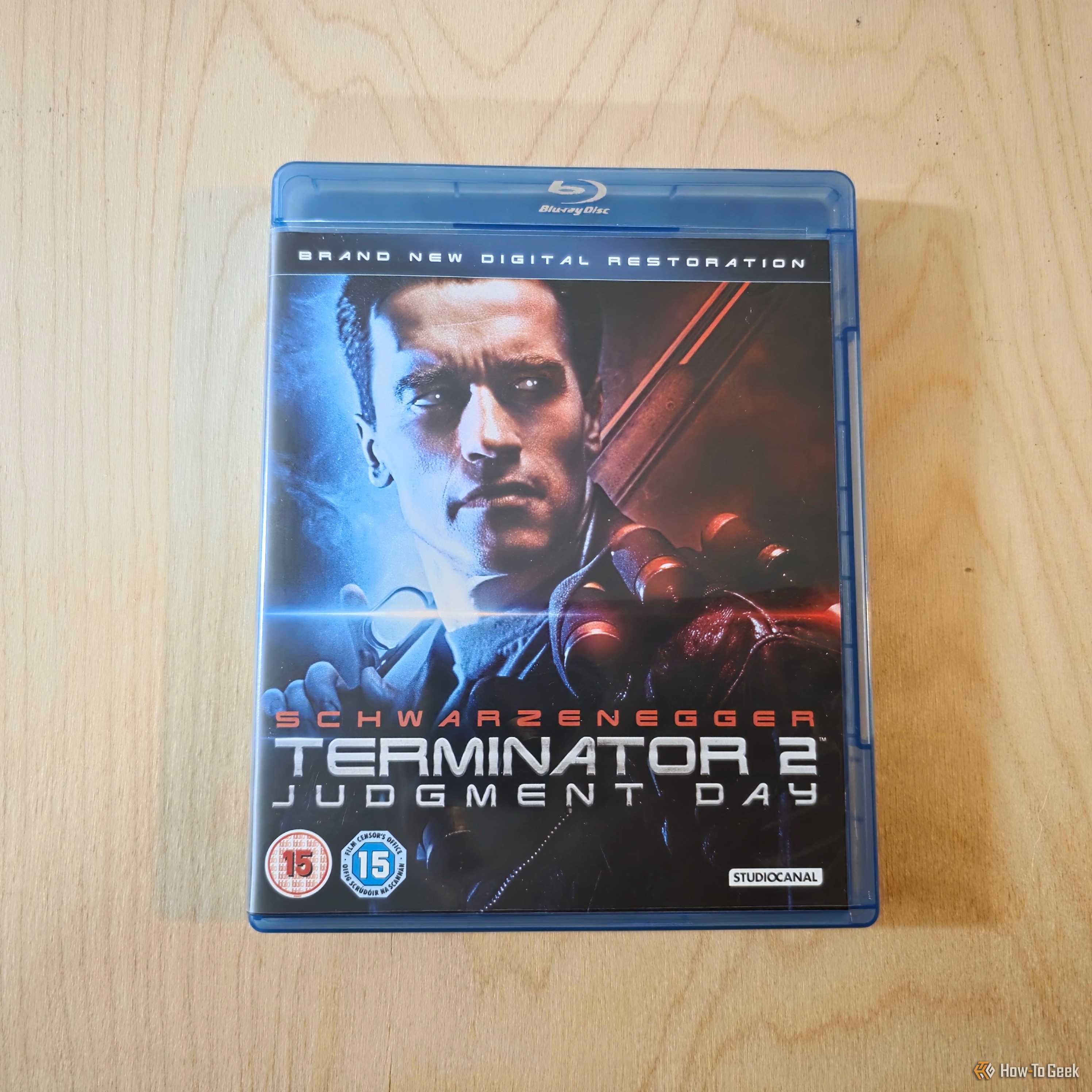
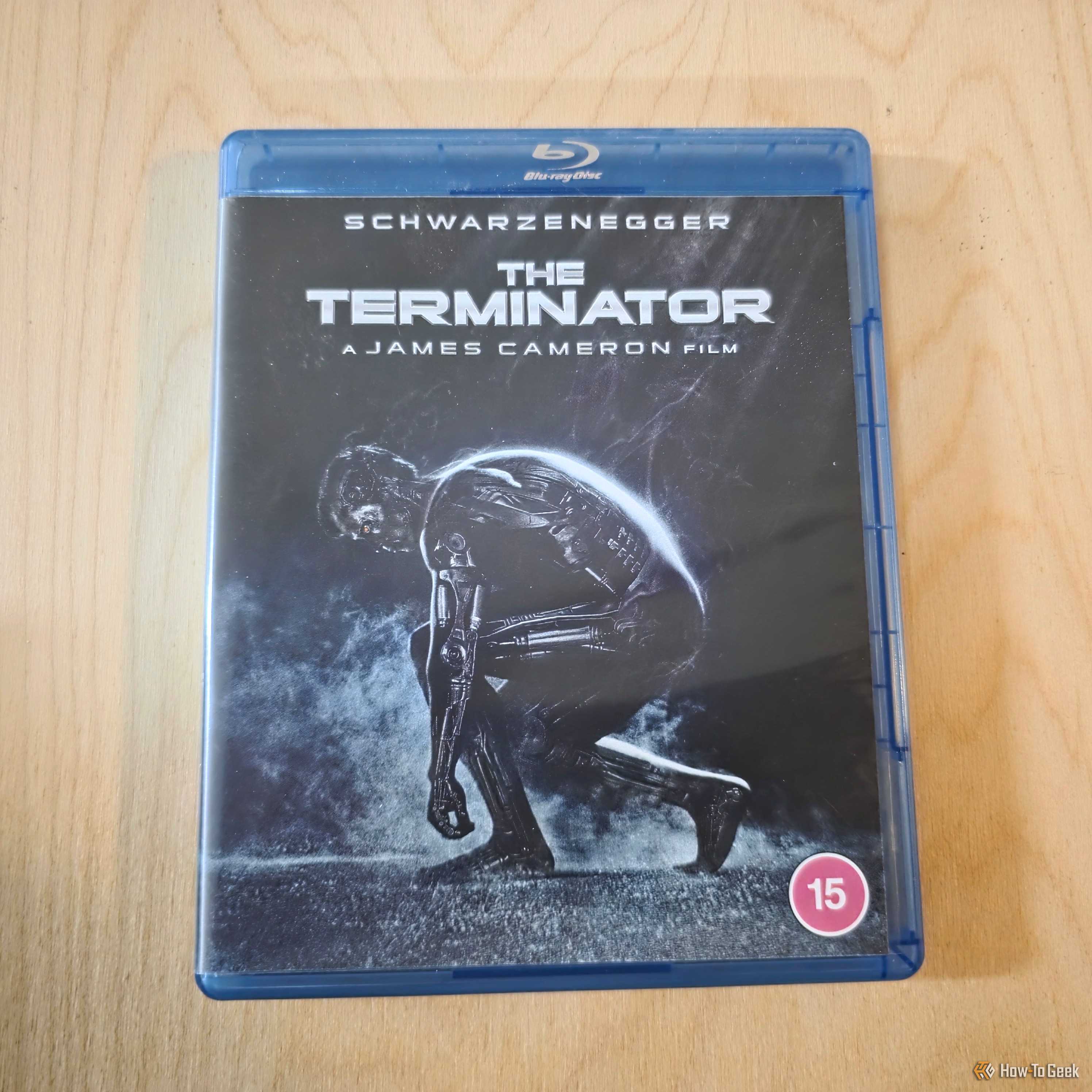
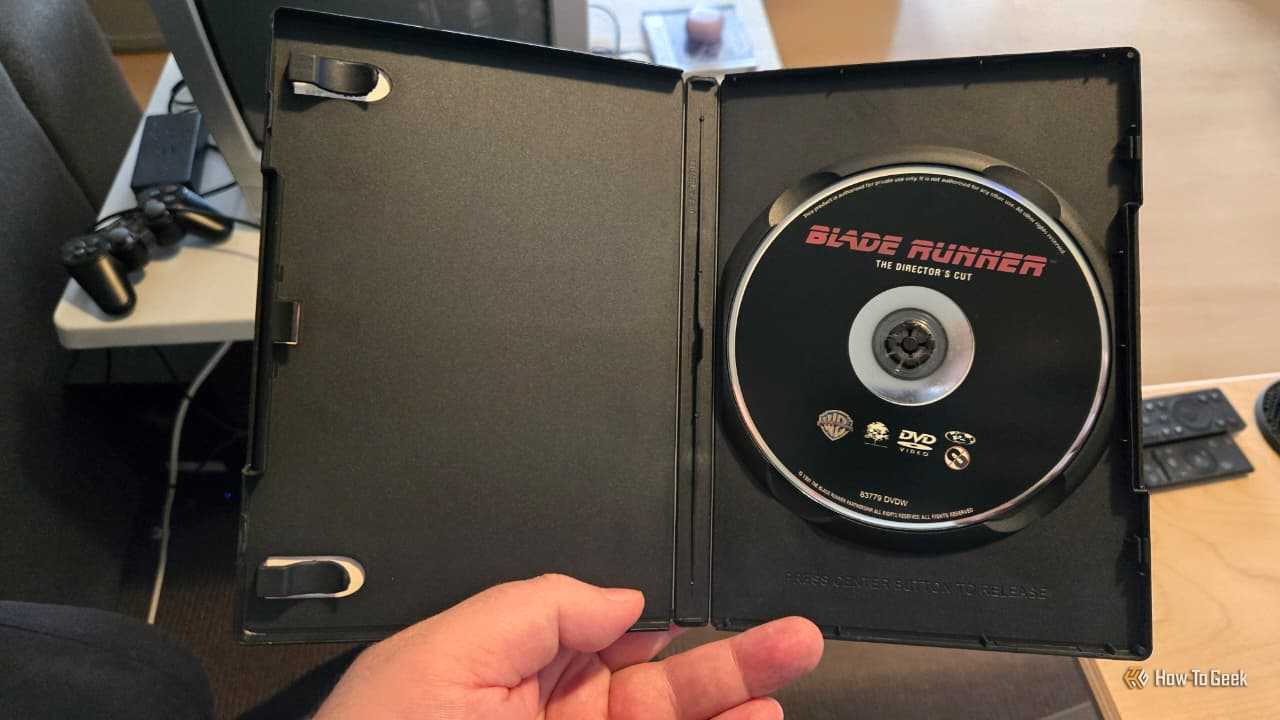
One of the most technically impressive yet understated features of the Blu-ray format is its ability to house multiple versions of the same film on a single disc without requiring massive amounts of storage for each iteration. This process, known in technical circles as "seamless branching," allows a disc to offer a theatrical cut, a director’s cut, and perhaps an unrated version all within the same package.
Working Smarter Through Technical Architecture
The genius of seamless branching lies in its efficiency. Rather than encoding two or three entirely separate video files—which would quickly exceed even the 50GB capacity of a dual-layer Blu-ray—the disc utilizes a complex map of data fragments. The movie is broken down into segments: scenes that are common to all versions are stored once, while scenes unique to specific cuts are stored separately.
When a viewer selects the "Director’s Cut" from the main menu, the Blu-ray player’s software acts as an automated editor. It plays the common footage until it reaches a point of divergence, at which point the laser assembly instantly jumps to the alternative footage. Once the unique scene concludes, the player seamlessly returns to the shared track. This happens with such precision that the viewer never notices a pause or a drop in bit-rate.

This feature was inherited from the DVD era, but the increased storage capacity and faster processing speeds of Blu-ray players allowed it to flourish. For films like Ridley Scott’s Kingdom of Heaven or the various iterations of Blade Runner, this technology was indispensable. It allowed studios to provide a comprehensive archive of a film’s evolution. In contrast, streaming services often force users to choose between separate entries for different cuts—if they offer alternative versions at all—frequently resulting in the "lesser" versions of films being lost to the digital ether.
BD-Live Connects You to Internet Features
Long before "watch parties" became a standard feature on social media apps, the Blu-ray Disc Association introduced BD-Live. Launched as part of the Blu-ray Profile 2.0 specification in 2008, BD-Live was an ambitious attempt to bridge the gap between physical media and the burgeoning power of the internet. It required players to have an internet connection and at least 1GB of local storage to function, effectively turning the Blu-ray player into a connected terminal.
The Rise and Fall of the Interactive Disc
The scope of BD-Live was broad. It allowed studios to offer exclusive, downloadable content that wasn’t available at the time the disc was pressed. This included updated movie trailers, subtitle tracks in additional languages, and interactive games or quizzes that could be updated over time.
Perhaps the most forward-thinking application of BD-Live was its social functionality. Major studios, most notably Disney and Warner Bros., utilized the feature to host live, scheduled events. These weren’t merely pre-recorded commentaries; they were live chats where fans could interact with directors, actors, and producers in real-time while the movie played. The Blu-ray disc acted as an authentication key, a digital "ticket" that proved the user owned the film and granted them access to these exclusive virtual rooms.
However, the history of BD-Live serves as a cautionary tale regarding the ephemeral nature of digital content. Today, if you insert a BD-Live-enabled disc into a player, you are likely to be met with a "Connection Failed" error. As studios moved toward their own proprietary streaming platforms, the servers maintaining these features were quietly deactivated. Disney, once a champion of the format, now hosts notices on its websites informing customers that these features are no longer supported. This irony is not lost on collectors: the very format designed to offer permanent ownership was one of the first to demonstrate how quickly "permanent" features can vanish when they rely on a corporate server.
Blu-ray Could Play a Second Video on Top of the Movie
Another hallmark of the Blu-ray experience was BonusView, also known as Profile 1.1. This feature enabled a hardware-level "Picture-in-Picture" (PiP) capability. While modern viewers might be used to PiP on their smartphones or tablets, BonusView was uniquely integrated into the cinematic experience, allowing a secondary video stream to be superimposed over the primary film.
The Real "Snyder Cut" and Interactive Commentary
The creative potential of BonusView was perhaps best realized in Warner Bros.’ "Maximum Movie Mode." A standout example of this can be found on the Blu-ray release of Zack Snyder’s Watchmen. Rather than a traditional audio commentary where the director speaks over the film, Maximum Movie Mode allowed Snyder to literally walk onto the screen.
Through the use of green-screen technology and the BonusView feature, Snyder would appear in front of the movie, pausing the action to point out specific details in the frame, comparing scenes to the original graphic novel, or bringing up behind-the-scenes footage in a secondary window. It transformed the viewing experience from a passive one into an immersive masterclass in filmmaking.
While enthusiasts often discuss the "Snyder Cut" in relation to Justice League, the Watchmen Maximum Movie Mode remains one of the most sophisticated examples of how physical media can enhance a director’s vision. For film students and cinephiles, this level of interactivity provided insights that a simple "Behind the Scenes" featurette on a streaming menu cannot match. The technical overhead required to sync two simultaneous high-definition video streams is something that most streaming infrastructures—focused on bandwidth conservation—are not designed to handle.
Blu-ray Movies Could Be in True 3D
The 3D revolution of the early 2010s may have faded from the mainstream consciousness, but for those with the right hardware, 3D Blu-ray remains the gold standard for home immersion. Unlike the red-and-cyan anaglyph glasses used for older DVD releases or television broadcasts, 3D Blu-ray utilized the Multiview Video Coding (MVC) extension to the H.264 codec.
Physical Media with Real Depth
This technology allowed for "true" 3D, delivering two separate 1080p frames—one for each eye—to the viewer’s brain, creating a genuine sense of depth and spatial geometry. While 3D televisions have largely vanished from the consumer market, with the last major manufacturers ceasing production around 2016, the 3D Blu-ray format has refused to die.
Even today, 3D Blu-rays continue to be produced for a dedicated niche of collectors who utilize home theater projectors or modern Virtual Reality (VR) headsets to view them. James Cameron’s Avatar franchise continues to support the format, with Avatar: The Way of Water receiving a high-profile 3D Blu-ray release. For many, the only way to replicate the theatrical 3D experience is through these discs. While Disney+ has recently integrated 3D titles for use with the Apple Vision Pro, this is a closed ecosystem. The 3D Blu-ray remains the only platform-agnostic way to own and view high-bitrate stereoscopic content without a recurring subscription.

The Growing Gap Between Streaming and Physical Value
The decline of physical media has led to a subtle but significant shift in how audiences value film. There is now an entire generation of viewers who have never experienced the depth of a well-authored Blu-ray. Their experience is dictated by the limitations of streaming: compressed audio, fluctuating video bit-rates, and a total lack of meaningful "special features."
Streaming services are fundamentally built on the principle of "access," which prioritizes a vast library over individual depth. Because these platforms are incentivized to keep operational costs low, they rarely invest in the complex encoding required for seamless branching or the bandwidth necessary for high-quality interactive commentaries. In the streaming world, once a movie ends, the algorithm immediately pushes the viewer toward the next title, discouraging the kind of deep-dive exploration that Blu-ray features once fostered.
As we move deeper into an era where digital storefronts can revoke access to "purchased" content and streaming libraries can shift overnight due to licensing disputes, the "forgotten" features of Blu-ray serve as a reminder of what true ownership looks like. A Blu-ray is not just a movie; it is a curated, high-fidelity, and interactive archive. Whether or not streaming providers will ever feel the pressure to match the technical excellence of the disc remains an open question, but for those who value the art of cinema, the silver disc remains an unparalleled benchmark.
 Tech Tutorials & How-To Guides
Cinematic Cornerstones: Why These Essential Classics Continue to Define the Modern Movie Experience
The landscape of modern cinema is often dominated by the ephemeral—the latest...
 Tech Tutorials & How-To Guides
Amazon Slashes Price of Flagship Fire TV Cube to Record Low in Early Black Friday Deal
The landscape of home entertainment has shifted dramatically over the last decade,...
 Tech Tutorials & How-To Guides
Netflix Expands November Catalog With a Diverse Mix of Licensed Hits and Psychological Thrillers
As the autumn chill settles in and the holiday season approaches, the...







