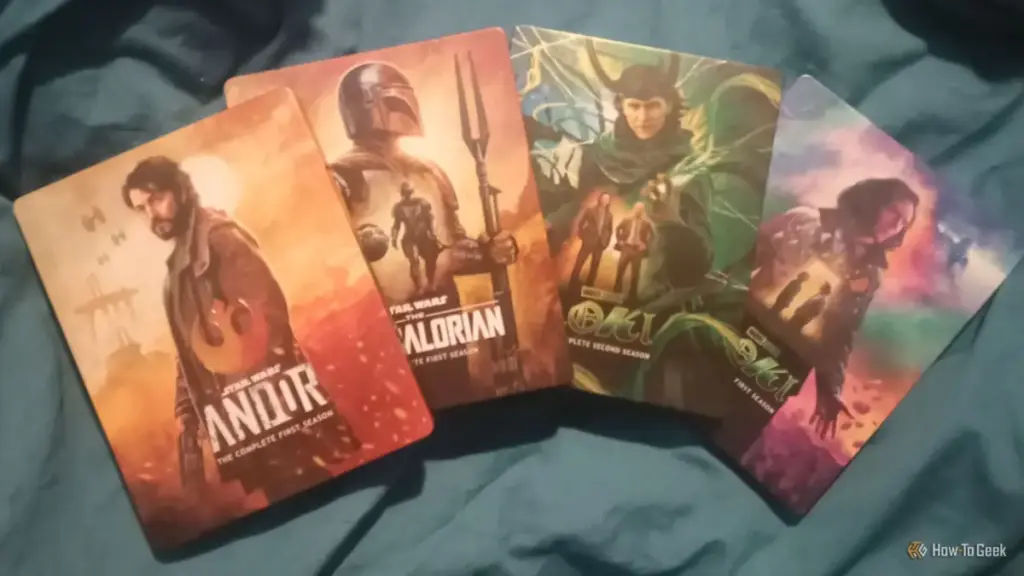
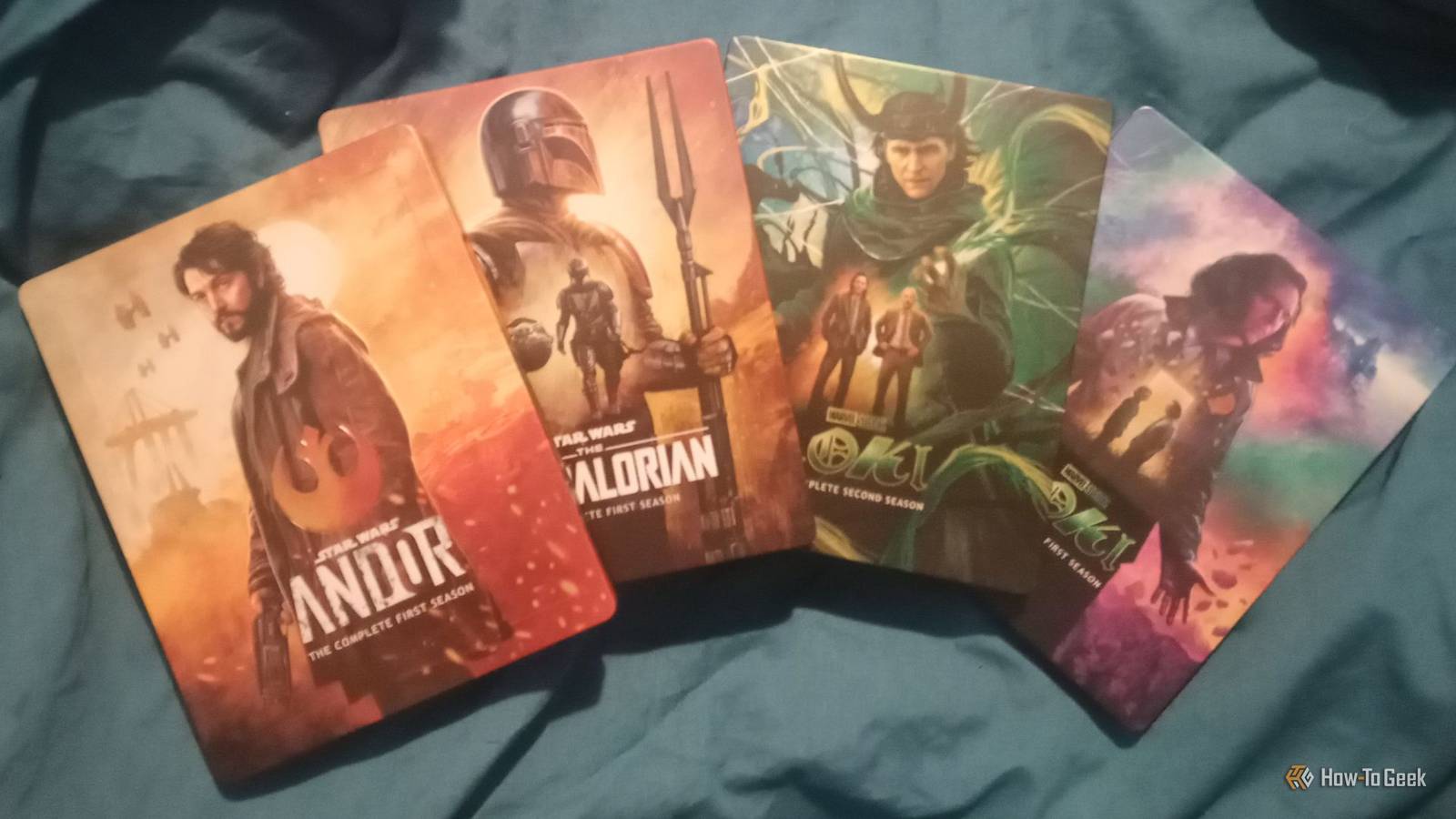
In the contemporary landscape of digital entertainment, the act of consuming a movie has been reduced to a simple click of a "play" icon. For a generation raised on the immediate gratification of Netflix, Disney+, and Max, the concept of physical media often feels like a relic of a bygone era—a clunky necessity of the past. However, as the industry pivots further toward a digital-only future, film enthusiasts and technology historians are beginning to point out a sobering reality: in the transition to streaming, we have lost a suite of sophisticated, interactive, and high-quality features that were once standard on the Blu-ray format.
While most casual viewers view a Blu-ray disc as merely a high-definition delivery vehicle for a film, the format was originally designed as a robust, interactive platform. It offered capabilities that streaming services, even a decade later, have struggled or simply refused to replicate. From complex branching narratives to internet-connected social hubs, the Blu-ray format represented a peak in home theater technology that prioritized the viewer’s experience and the preservation of cinematic history over the convenience of a subscription model.
One Disc Can Assemble Several Different Cuts of a Movie
One of the most technically impressive yet understated features of the Blu-ray format is its ability to house multiple versions of the same film on a single disc without requiring massive amounts of storage for each iteration. This process, known in technical circles as "seamless branching," allows a disc to offer a theatrical cut, a director’s cut, and perhaps an unrated version all within the same package.
Working Smarter Through Technical Architecture
The genius of seamless branching lies in its efficiency. Rather than encoding two or three entirely separate video files—which would quickly exceed even the 50GB capacity of a dual-layer Blu-ray—the disc utilizes a complex map of data fragments. The movie is broken down into segments: scenes that are common to all versions are stored once, while scenes unique to specific cuts are stored separately.
When a viewer selects the "Director’s Cut" from the main menu, the Blu-ray player’s software acts as an automated editor. It plays the common footage until it reaches a point of divergence, at which point the laser assembly instantly jumps to the alternative footage. Once the unique scene concludes, the player seamlessly returns to the shared track. This happens with such precision that the viewer never notices a pause or a drop in bit-rate.

This feature was inherited from the DVD era, but the increased storage capacity and faster processing speeds of Blu-ray players allowed it to flourish. For films like Ridley Scott’s Kingdom of Heaven or the various iterations of Blade Runner, this technology was indispensable. It allowed studios to provide a comprehensive archive of a film’s evolution. In contrast, streaming services often force users to choose between separate entries for different cuts—if they offer alternative versions at all—frequently resulting in the "lesser" versions of films being lost to the digital ether.
BD-Live Connects You to Internet Features
Long before "watch parties" became a standard feature on social media apps, the Blu-ray Disc Association introduced BD-Live. Launched as part of the Blu-ray Profile 2.0 specification in 2008, BD-Live was an ambitious attempt to bridge the gap between physical media and the burgeoning power of the internet. It required players to have an internet connection and at least 1GB of local storage to function, effectively turning the Blu-ray player into a connected terminal.
 Tech Tutorials & How-To Guides
The High-Fidelity Revolution for Under $30: How Budget In-Ear Monitors Are Challenging the Audio Hierarchy
For the better part of two decades, the world of high-fidelity audio...
 Tech Tutorials & How-To Guides
Ryobi Expands Winter Tool Lineup with Battery-Powered Heating and Emergency Solutions
As the autumn leaves begin to settle and the first frost takes...
 Tech Tutorials & How-To Guides
The Evolution of the Pocket: How 3D Printing Refined the Search for the Perfect Everyday Carry
For many, the morning ritual is a simple, three-point checklist: phone, wallet,...