
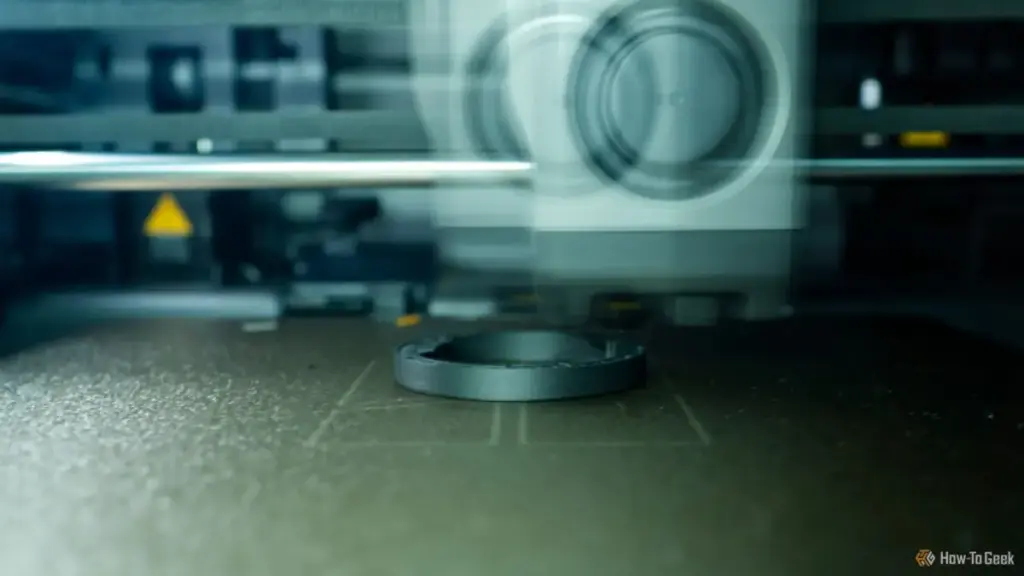
Custom G-code or superglue
For those who remain committed to the idea of enclosing loose materials within a 3D print, there are safer, albeit more complex, methodologies. The primary goal is to bypass the automatic fan engagement that occurs during the resumption of a print.
One advanced solution involves the use of custom G-code. In slicers like Bambu Studio, users can go beyond the standard "Add Pause" command and select "Add Custom G-code" at a specific layer. By inputting specific commands—such as M107 to disable the fan or M106 S0 to set the fan speed to zero—a user can theoretically prevent the "blowout" effect. However, this requires a deep understanding of the specific printer’s firmware. If the printer’s "resume" script is hard-coded to restart fans regardless of the layer-specific G-code, the custom command may be overridden, leading back to the original disaster. There is also the thermal risk: printing without cooling fans, especially with materials like PLA or TPU, can lead to poor structural integrity and "heat creep" in the extruder.
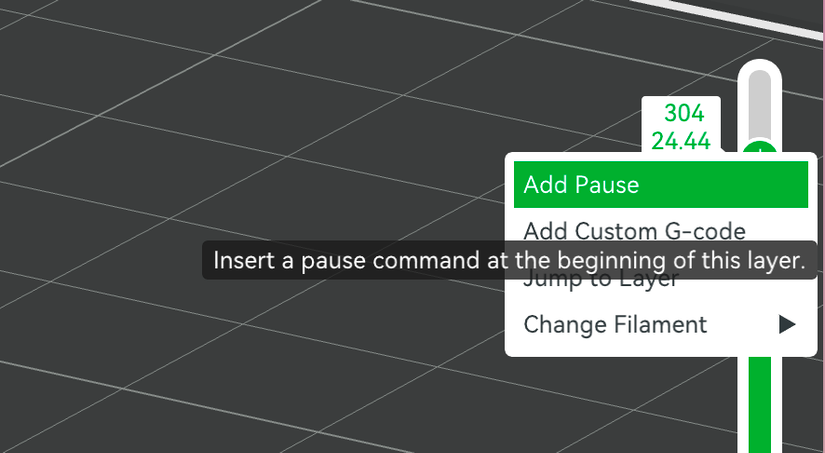
A far more reliable and mechanically sound alternative is the "print and glue" method. Most modern slicers now include a "Cut" tool, which allows a user to split a 3D model into two or more parts along any axis. By cutting a model horizontally, a maker can print the main body (the container) and the "lid" as two separate pieces on the same build plate.
This approach offers several advantages. First, it eliminates the need to interact with the printer while it is in a delicate, paused state. Second, it allows the user to fill the object in a controlled environment, such as over a trash can or outside, far away from the sensitive electronics of the 3D printer. Once filled, the two halves can be permanently joined using a specialized adhesive. For PLA, a standard cyanoacrylate (superglue) works effectively, while for materials like PETG or ABS, specific plastic welders or solvents can create a bond that is as strong as the original plastic.
Ultimately, the "glitter bomb" phenomenon serves as a vital reminder of the physical realities of 3D printing. While the software makes the process feel like a digital exercise, the hardware remains a collection of high-precision motors, fans, and lubricated surfaces. Protecting those components from environmental contaminants—especially those introduced by the user—is essential for maintaining the accuracy and lifespan of the machine. As the community continues to push the boundaries of what can be "grown" in a 3D printer, the lesson remains clear: keep the loose stuff out of the enclosure.
 Tech Tutorials & How-To Guides
Google Transitions Beyond Chromebooks: A Deep Look at the New Googlebook OS and Its Enhanced Local File Management
The landscape of portable computing has undergone a seismic shift with the...
 Tech Tutorials & How-To Guides
From Satire to Slapstick: A Curated Selection of Netflix Comedies to Cure the Workday Blues
In the modern professional landscape, the transition from a high-stress office environment...
 Tech Tutorials & How-To Guides
From E-Waste to New Passions: How Repurposed Technology is Fueling a New Era of Accessible Geek Hobbies
For many technology enthusiasts, the "junk drawer" is a common household fixture—a...







