
For over a decade, the philosophy of "Everyday Carry," or EDC, was defined by a "more is more" mentality. Enthusiasts prided themselves on heavy-duty folding knives, thick leather sheaths, and full-sized multi-tools that could arguably disassemble a small engine. But as we move further into 2026, a significant shift in consumer behavior and design philosophy has emerged. The modern professional, traveler, and outdoor enthusiast is increasingly opting for "micro-EDC"—tools that prioritize portability, weight distribution, and legality without sacrificing the core utility that makes a multi-tool indispensable.
The traditional full-sized multi-tool, exemplified by industry titans like the Leatherman Wave or the Victorinox SwissTool, remains a masterpiece of engineering. However, for many, carrying a half-pound of stainless steel on a belt loop is no longer practical, especially when wearing lightweight summer shorts or navigating the strict security protocols of modern travel. This has paved the way for a new generation of keychain-sized tools that prove a device doesn’t need to be bulky to be "mighty."
Cory Gunther, a veteran tech and gear journalist who has spent years reviewing everything from electric vehicles to the latest smartphones, notes that the best tool is ultimately the one you actually have on your person. This sentiment is driving the popularity of tools that can live permanently on a keyring, unnoticed until the moment a screw loses its grip or a package needs to be breached.
The Rise of the Micro-Powerhouse: NexTool’s Engineering Feat
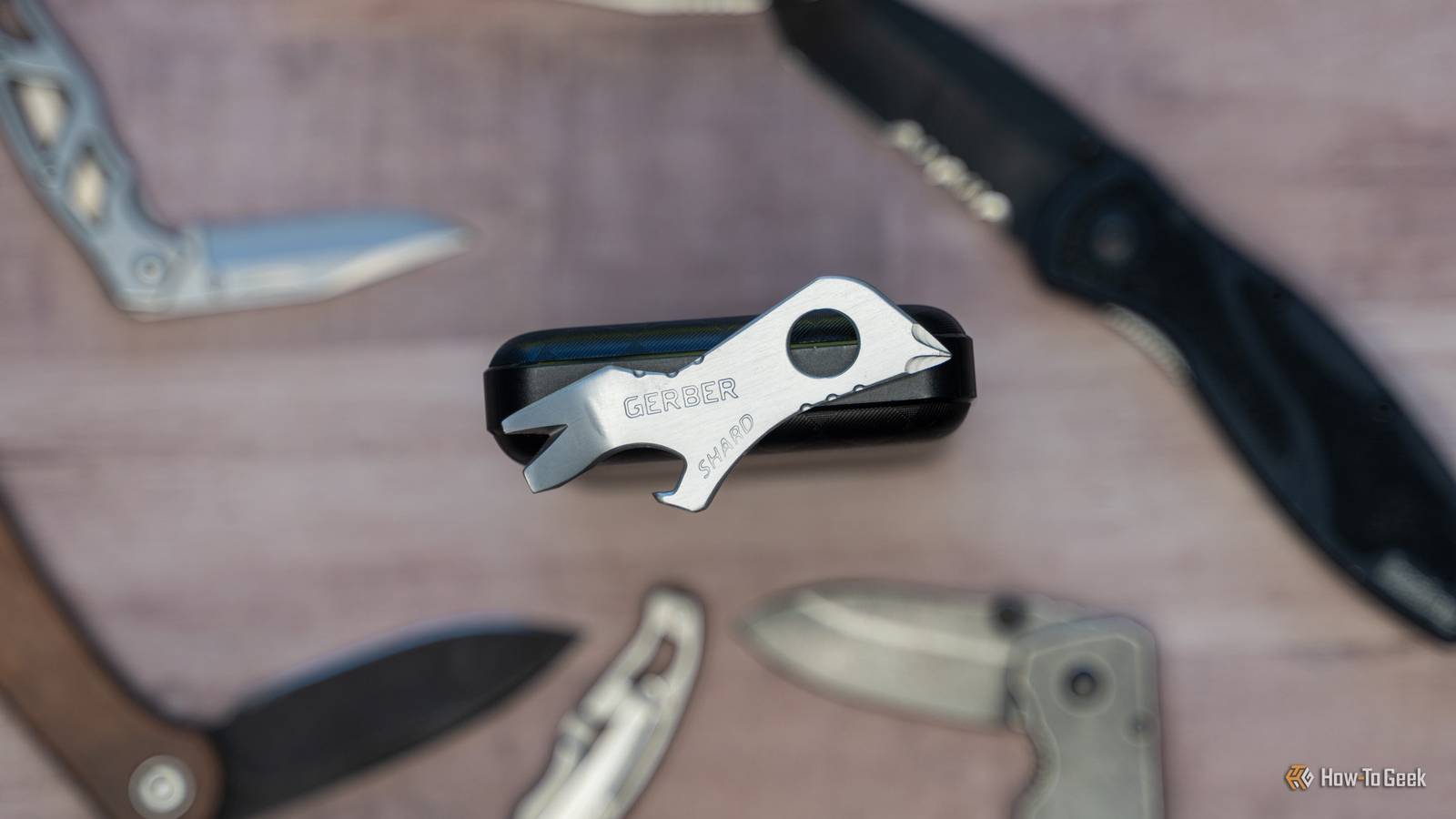
One of the most impressive entries in this miniaturized category is the NexTool Mini Flagship, often referred to by its model designation, the F12. In recent years, NexTool has disrupted the market by offering high-quality materials and innovative designs at price points that significantly undercut traditional Western brands.
The F12 Mini Flagship is a testament to how far manufacturing tolerances have come. Measuring just over 2.5 inches when closed, it manages to pack 13 distinct functions into a frame that weighs less than a standard deck of cards. Unlike many keychain tools that offer "emergency-only" pliers, the F12 features reinforced, spring-loaded pliers that provide genuine grip and leverage.
Beyond the pliers, the tool includes a locking main blade—a critical safety feature often omitted in smaller gear—alongside scissors, a file, and multiple screwdrivers. One of the more thoughtful design choices is the inclusion of glow-in-the-dark accents on the handle ends. This feature, reminiscent of the high-end Leatherman Signal Sandstorm, ensures that the tool can be located at the bottom of a dark bag or dropped in the grass during a late-night gear adjustment. At a price point of approximately $37, it represents a low-barrier entry for those looking to upgrade their pocket utility without the bulk.
The One-Piece Multi-Tool and the TSA Dilemma
For the frequent flyer, the greatest enemy of the multi-tool is the Transportation Security Administration (TSA). The heartbreak of surrendering a beloved $100 tool at a security checkpoint is a rite of passage many EDC enthusiasts wish to avoid. This has led to the rise of the "One-Piece Multi-Tool" (OPMT), a category dominated by the Gerber Shard series.

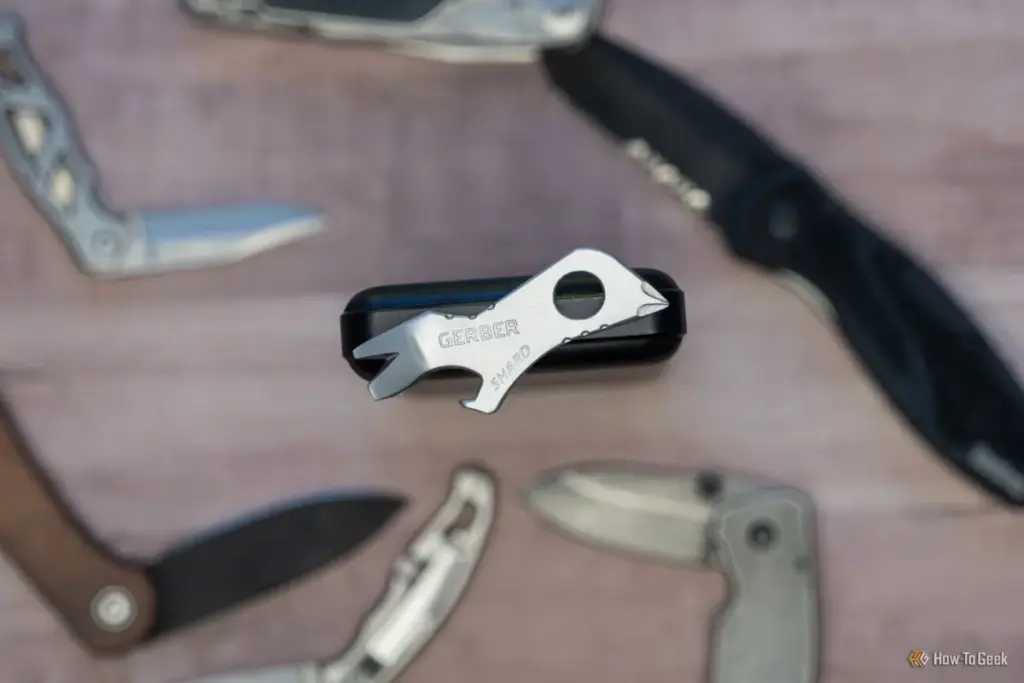
The Gerber Shard DT is a refined version of the classic Shard, which has long been a staple of minimalist carry. The "DT" variant focuses on a 3-in-1 core philosophy while maintaining the rugged, bladeless construction that makes it generally TSA-compliant. Crafted from stainless steel and available in various finishes, the Shard DT is designed to solve the small, nagging problems of daily life: prying a stubborn staple, tightening a loose cross-head screw, or opening a cold beverage at the end of the day.
At $11, the Shard DT is positioned as a "sacrificial" tool—functional enough to be indispensable, yet affordable enough that losing it to a particularly overzealous security agent won’t ruin a trip. Its lack of moving parts also means there is nothing to break or jam, making it perhaps the most durable item on a person’s keyring.
The Swiss Standard: Precision in a Small Package
No discussion of portable utility is complete without Victorinox. While the brand is synonymous with the classic red-handled officer’s knife, their smaller offerings often provide the most practical value for the modern user. The Victorinox Rambler is frequently cited by gear experts as the "perfect" small Swiss Army Knife, outshining even the legendary Classic SD.
The Rambler’s advantage lies in its tool density. Within its diminutive frame, it houses 10 functions, including a razor-sharp pair of scissors and a magnetic Phillips-head screwdriver that doubles as a bottle opener and wire stripper. This magnetic driver is a game-changer for keychain tools, as it allows for much more precision when dealing with the tiny screws found in modern electronics or eyeglasses.
Furthermore, the Rambler retains the iconic "scale tools"—the tweezers and toothpick—that have saved countless afternoons from the misery of a splinter. For roughly $34, the Rambler offers a level of fit and finish that remains the benchmark for the industry, proving that Swiss engineering is just as relevant in a 2026 keychain context as it was in the pockets of previous generations.
Specialized Utility: The Nite Ize and OKNIFE Approach
While many users look for a "jack-of-all-trades" device, a segment of the market is moving toward specialized keychain tools. Brands like Nite Ize and OKNIFE (the cutlery division of the lighting giant Olight) are catering to users who know exactly what tasks they perform most often.
Nite Ize has built a reputation on "problem-solver" gear. Their Doohickey Key Tool is a masterclass in stainless steel geometry. By utilizing the cutouts and angles of the tool’s body, Nite Ize provides a box cutter, a flathead driver, multiple wrench sizes, and a ruler in a package that mimics the shape of a standard house key. This "key-mouflage" allows the tool to blend seamlessly into a keyring, reducing the "tactical" look that some users find off-putting in professional environments.
On the other end of the spectrum is the OKNIFE Otacle D1. This tool moves away from the "pliers and blades" format to focus almost exclusively on fastening. As modern devices become more complex, the need for specific driver bits—like Torx T6 and T8—has grown. The Otacle D1 is a 9-in-1 screwdriver housed in a sandblasted titanium frame.
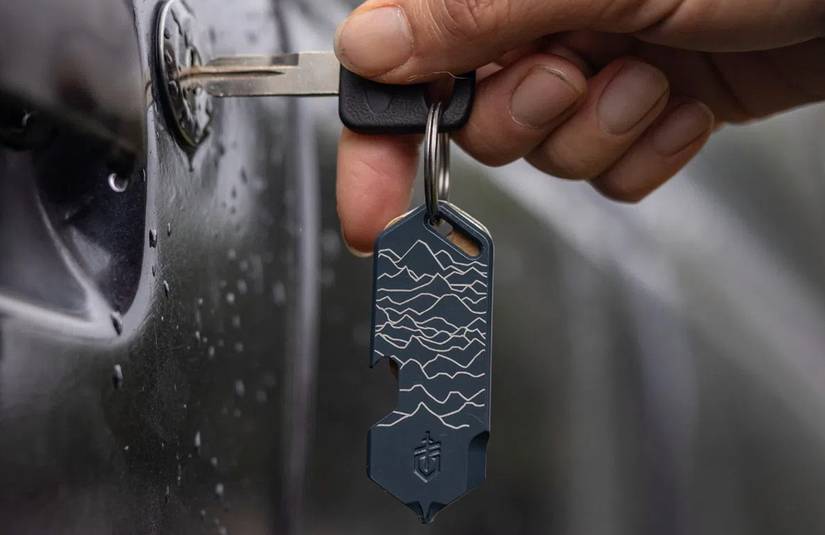
The use of titanium is a nod to the high-end EDC community, offering an exceptional strength-to-weight ratio and a premium tactile feel. The D1’s innovation lies in its bit-retention system; it houses four double-ended bits internally. Perhaps its most clever feature is the dual magnetic bit holders. A bit can be placed at the end for traditional screwdriver use, or mounted perpendicular to the body to create a T-handle, providing significantly more torque for stubborn screws. At $35, it serves as a specialized companion for those who find themselves constantly adjusting gear or tech hardware.
The Psychology of Preparedness
The shift toward smaller multi-tools reflects a broader cultural trend toward "intentional carry." In an era where many tasks are becoming digital, the physical challenges we face are often smaller but no less frustrating. Opening a heavy-duty plastic clamshell package, tightening the arm of a pair of sunglasses, or measuring the diameter of a bolt are the "emergencies" of the 21st-century office or suburb.
Carrying a tool like the NexTool F12 or the Gerber Shard DT isn’t about preparing for a wilderness survival scenario; it’s about maintaining autonomy in the face of minor daily obstacles. There is a psychological comfort in knowing that a solution to a physical problem is hanging right next to your car keys.
As the market for these tools continues to mature, we can expect even further integration of materials like carbon fiber and advanced ceramics, as well as tools specifically designed for the maintenance of wearable technology. For now, the current crop of keychain multi-tools offers a perfect balance of form and function. Whether you are a minimalist looking to shed pocket weight or a traveler needing to stay equipped on the go, the "tiny and mighty" revolution has ensured that you never have to choose between being prepared and being unburdened.
 Tech Tutorials & How-To Guides
Haiku OS R1/Beta 6: A Compelling Case for Breathing New Life into Aging Hardware
For years, the standard recommendation for any computer deemed too slow for...
 Tech Tutorials & How-To Guides
Exploring the Frontiers of the Unknown: Three Essential Science Fiction Films to Stream on Netflix This Weekend
As the autumn of 2026 unfolds, the digital landscape of the American...
 Tech Tutorials & How-To Guides
Netflix Bolsters November Lineup with Highly Anticipated Financial Dramas and Iconic Television Classics
As the penultimate month of 2026 approaches its final stretch, Netflix has...







