Reclaiming the Creative Simplicity of Windows Movie Maker
In the early 2000s, Windows Movie Maker democratized video editing for the masses. Bundled with Windows XP, it allowed families to take raw footage from camcorders and transform it into structured narratives with transitions, titles, and music. It was a tool that fostered creativity without requiring a degree in film production.
Today, Microsoft’s answer to this is Clipchamp, a web-based editor that arrived following the acquisition of the startup of the same name. While Clipchamp is technically capable, it represents the modern "freemium" trend that many users find distasteful. Essential features, such as 4K exporting, are often locked behind a subscription paywall, and the app’s reliance on web technologies can feel sluggish compared to the native, hardware-accelerated performance of legacy software.
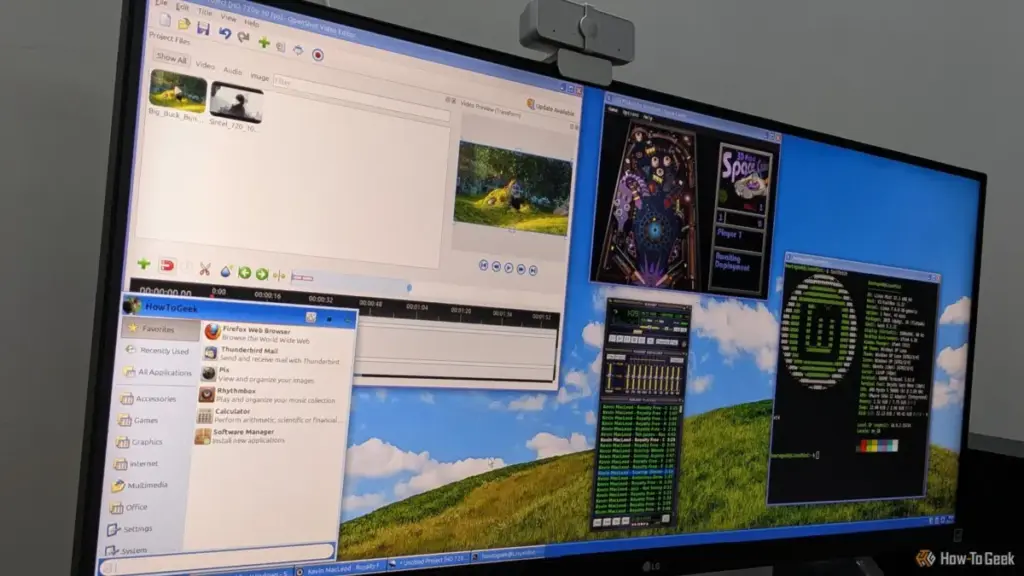
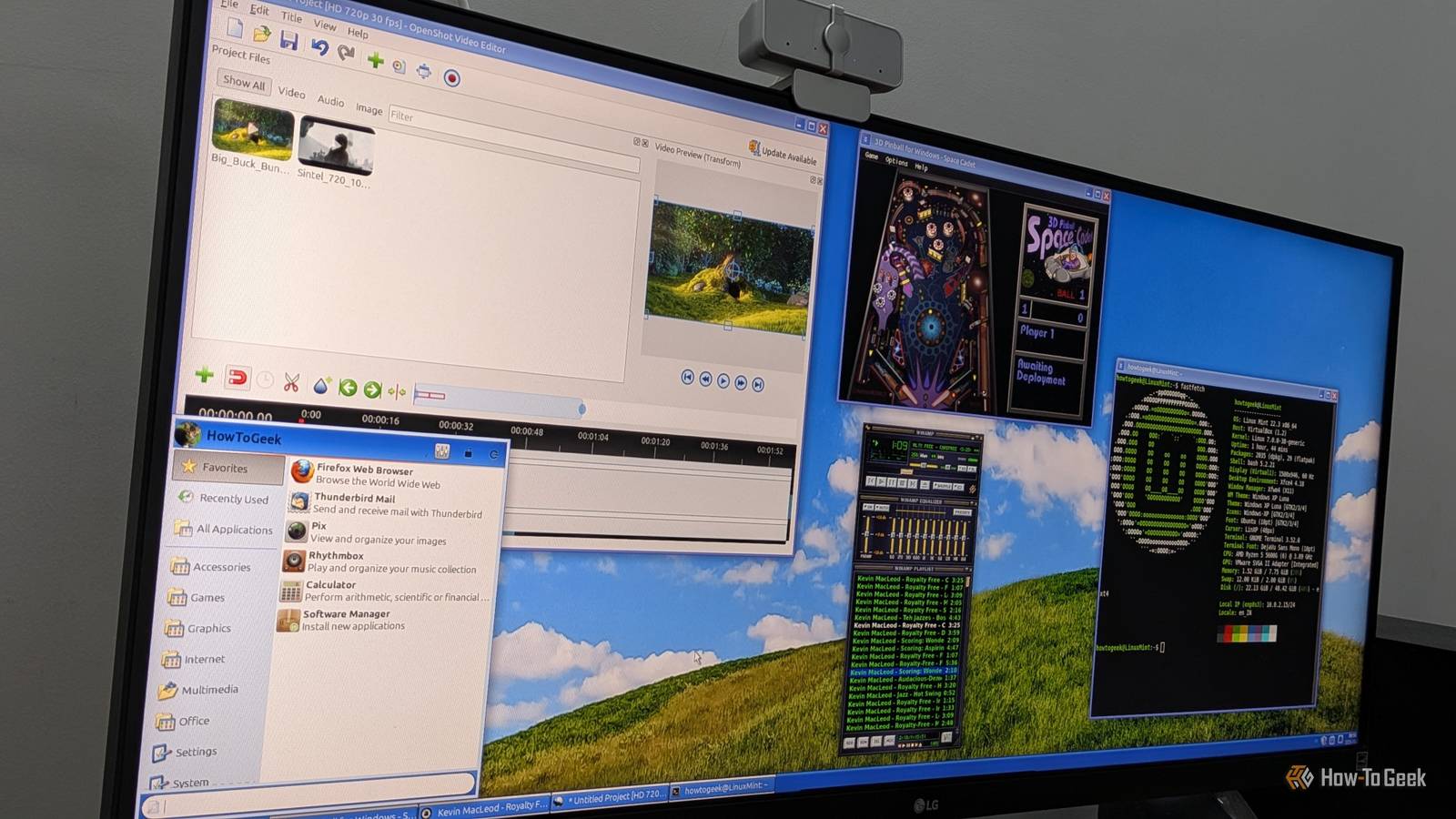
The Linux ecosystem offers several alternatives for the hobbyist editor, but OpenShot stands out for its ability to capture the specific balance of simplicity and power that made Movie Maker a staple. OpenShot provides a non-linear editing environment that feels intuitive to anyone who spent their weekends stitching together family vacation clips in 2004.
Unlike the "prosumer" complexity of Kdenlive or the professional-grade requirements of DaVinci Resolve, OpenShot focuses on a streamlined user experience. It supports unlimited tracks, allowing for complex layering of audio and video, and includes a massive library of built-in effects and transitions that are applied via simple drag-and-drop actions. It is a native application, meaning it respects the user’s hardware resources and operates entirely offline, free from the "upselling" tactics found in modern Windows equivalents.
The Nostalgia of Casual Gaming: The Case for 3D Pinball
Beyond productivity, the "Windows experience" was defined by its bundled games. Before the era of "Live Service" titles designed to maximize player retention through addictive psychological loops, Windows provided simple, high-quality diversions. Perhaps none is more fondly remembered than 3D Pinball for Windows – Space Cadet.
Originally a demo for a full game by Maxis, Space Cadet became a cultural phenomenon when it was bundled with the Microsoft Plus! pack for Windows 95 and later included in Windows NT, 2000, and XP. It was the perfect "micro-game"—something a professional could play for five minutes during a break or a student could obsess over to beat a high score.
Microsoft eventually dropped the game, citing technical difficulties during the transition to 64-bit architecture. Specifically, developers at the time struggled with a collision detection bug that caused the ball to pass through solid objects, and the decision was made to retire the game rather than devote extensive resources to debugging decades-old code.
 Tech Tutorials & How-To Guides
A New Titan in Entertainment: Navigating the Skydance Merger and the Future of Streaming
The landscape of global media has undergone a seismic shift as the...
 Tech Tutorials & How-To Guides
The Best Netflix Miniseries to Binge on a Sick Day: A Curated Guide to Recovery Viewing
There is a specific, universal rhythm to the onset of a seasonal...
 Tech Tutorials & How-To Guides
Google Pixel Watch 5 Sees Significant Price Cut as Amazon Offers $100 Discount on Latest Flagship Wearable
The landscape of Android wearables has long been a battlefield of compromise,...