
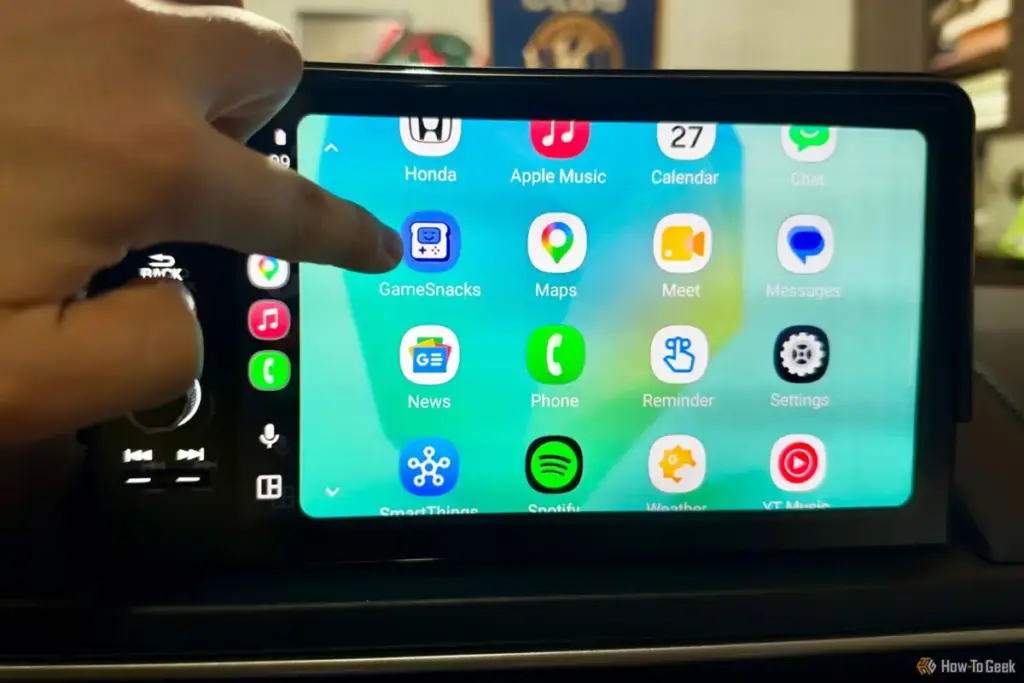
In the rapidly evolving landscape of automotive technology, Apple CarPlay and Android Auto have become the gold standards for in-car connectivity. They offer a seamless bridge between our smartphones and our vehicles, prioritizing safety while providing access to essential navigation, communication, and entertainment apps. However, for many power users of the world’s largest video platform, there remains a glaring omission in the dashboard interface. It might sound unhinged to suggest that a video-centric platform belongs on a car’s head unit, but the one CarPlay and Android Auto app that feels increasingly essential is YouTube.
To be clear, this is not a call for the ability to watch high-definition video while navigating rush-hour traffic. Distracted driving is a global crisis, and the restrictions placed on video playback by Apple and Google are both logical and necessary. Yet, for a significant portion of the user base, YouTube has transcended its original purpose as a visual medium. For many, it has become a primary source of long-form audio content, and the current lack of a dedicated, safe interface for the car is a growing point of friction.
This Isn’t About Watching Videos While Driving
The primary hurdle in advocating for YouTube in the car is the immediate association with visual distraction. However, modern consumption habits tell a different story. For many users, the "watching" part of YouTube is often secondary to the "listening."
Estimates of engagement suggest that for a vast number of videos, users are looking at the screen for less than half of the duration. In many scenarios, the phone is placed face-down on a desk, tucked in a pocket with headphones on, or, in the case of many drivers, sitting in a cup holder while the audio plays through the car’s speakers. There are, of course, channels that demand visual attention—those heavy on graphics, cinematography, or complex tutorials. But a massive segment of the platform is now occupied by content that functions perfectly well as an audio-only experience.
The Shift Toward an Audio-First Ecosystem
The transformation of YouTube into a dominant audio platform is not accidental; it is a shift supported by data and industry trends. By 2025, YouTube had solidified its position as the largest podcast platform in the world, claiming over one billion monthly podcast viewers. This shift has fundamentally altered how content is produced. Even creators who began in the traditional RSS-feed podcasting world have migrated to YouTube, setting up makeshift studios with cameras to capture their conversations.
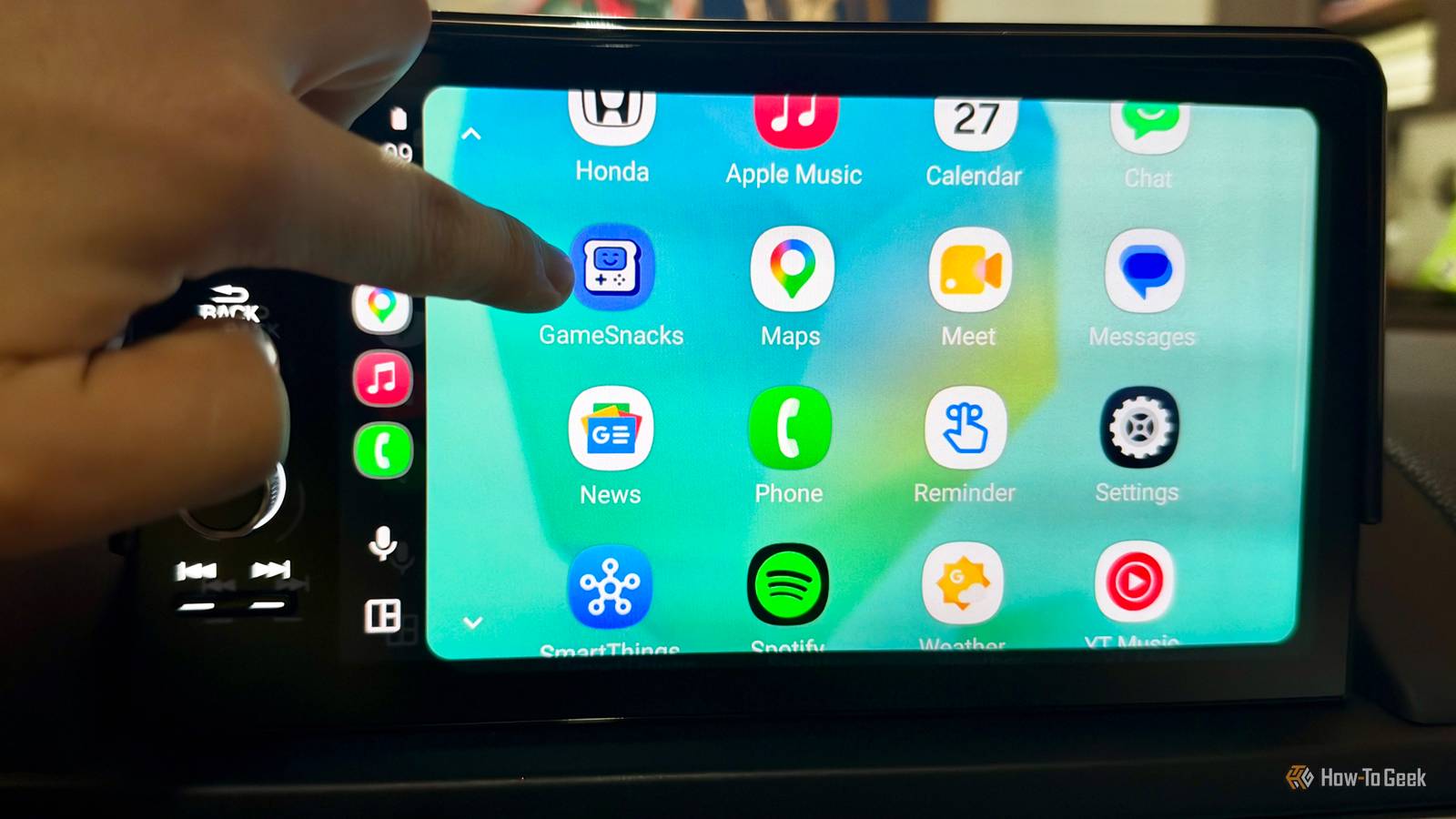
While these creators are technically producing video, the core value remains the dialogue. It is now common to hear hosts address "those listening to the audio feed," acknowledging that a significant portion of their audience is not tethered to a screen. These are, for all intents and purposes, audio experiences. They are conversations, interviews, and debates that are ideally suited for the environment of a car, where the driver’s eyes must remain on the road but their ears are open for engagement.
Furthermore, the rise of the "video essay" has created a new genre of high-quality, long-form narration. These creators, often supported by dedicated fanbases on platforms like Patreon, produce deep-dive explorations into history, philosophy, technology, and pop culture. These videos are often 30, 60, or even 90 minutes long—perfect for a long commute or a weekend road trip. While they are visually polished, the narrative arc is carried by the script and the voiceover. They are the modern equivalent of a radio documentary or a non-fiction audiobook, yet they remain locked behind an interface that is not optimized for the road.
The current state of in-car entertainment is well-served by Spotify, Apple Music, and various dedicated podcast apps. However, the unique library of YouTube—which includes niche content, independent journalism, and community-driven discussions not found elsewhere—remains frustratingly difficult to access safely while behind the wheel.
The Limitations of the Current Workaround
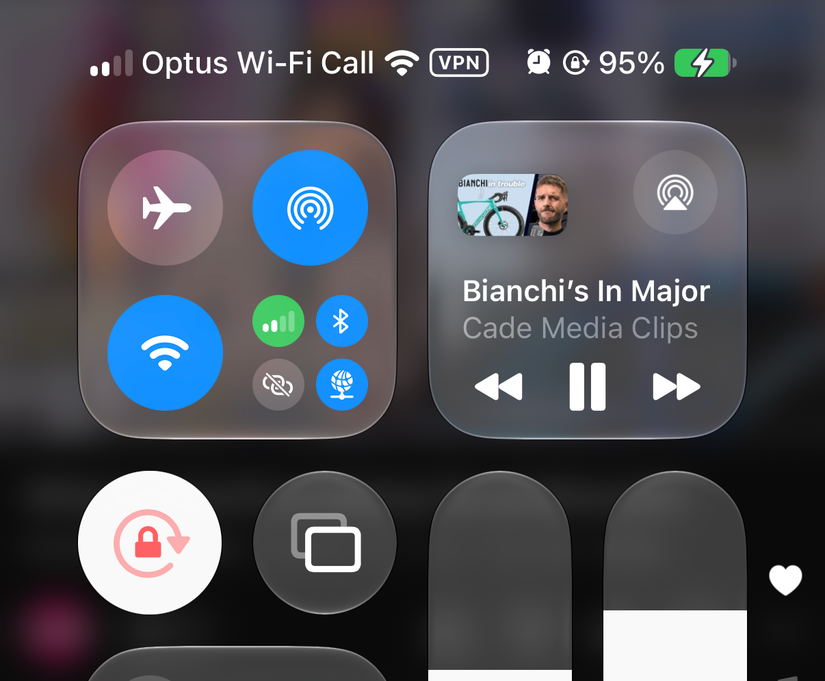
As it stands, users who want to listen to YouTube content in their vehicles are forced to rely on clumsy and potentially unsafe workarounds. Technically, it is possible to "watch" YouTube in a car by leveraging the "Now Playing" screen on the CarPlay or Android Auto interface. If a user starts a video on their phone before they begin their journey, the audio will typically route through the car’s system, and the "Now Playing" widget will allow for basic play and pause functionality.
However, this is a far from elegant solution. This method requires the user to interact with their phone before they start driving, or worse, while they are stopped at a light. It also offers no way to browse content, switch between videos in a playlist, or access a "Watch Later" queue without picking up the physical device. This goes against the very philosophy of CarPlay and Android Auto, which is designed to keep the phone out of the driver’s hands.
The Safety Implications of Clumsy Interfaces
There is a legal and safety-oriented argument to be made here as well. Interacting with a smartphone while driving is illegal in many jurisdictions and dangerous in all of them. By failing to provide a dedicated, simplified "Audio-Only" interface for YouTube, the current ecosystem may inadvertently be encouraging users to pick up their phones to change a video or find a new podcast.

A dedicated CarPlay app wouldn’t need to show thumbnails or video previews. Instead, it could mirror the interface of the YouTube Music app or the Apple Podcasts app—large, legible text lists of "Watch Later" videos, subscribed channels, or specific driving-friendly playlists. By bringing these controls to the vehicle’s dashboard, Google could significantly reduce the temptation for drivers to reach for their phones to manipulate their media.
For those who pay for YouTube Premium, the experience is slightly better thanks to background playback. This feature allows the audio to continue even when the phone screen is off or another app is in the foreground. However, even for Premium subscribers, the lack of a dashboard-native browsing experience is a major hurdle. There is no way to independently verify the status of every Android Auto configuration, but the general experience remains the same: YouTube is treated as a second-class citizen in the car, despite being many users’ primary source of information and entertainment.
Integrating YouTube into the Premium Value Proposition
The solution to this problem could lie within the YouTube Premium subscription model. Many users initially subscribe to Premium to escape the barrage of repetitive and often intrusive advertisements. However, once they have access, they often find that background playback and offline downloads become the most indispensable features of the service.
Integrating a specialized CarPlay and Android Auto interface into the Premium tier would make logical sense. It would add significant value to the subscription while ensuring that the feature is used by those most invested in the YouTube ecosystem. This interface could be stripped of all visual distractions—no video feed, no comments section, and no distracting animations. It would simply be a portal to the audio content that millions of people already rely on.
The User Experience of a "Safe" YouTube App
What would such an app look like? It would likely prioritize the "Watch Later" list and "Subscribed" feeds. It could utilize voice commands—via Siri or Google Assistant—to search for specific creators or topics, allowing the driver to keep their hands on the wheel. It could also offer a "Driving Mode" toggle within the mobile app that, when connected to a car, automatically switches the feed to audio-only versions of videos, perhaps even using lower-bandwidth streams to save data and reduce buffering in areas with poor reception.
The reality is that YouTube has already moved into this space with YouTube Music, but the two libraries are not perfectly synced. Many of the long-form video essays and niche podcasts available on the main YouTube platform do not appear in the YouTube Music app. This fragmentation is what creates the need for a dedicated YouTube "Audio" presence on the car’s display.
The Alternatives and the Path Forward
For now, many users are finding themselves turning back to older forms of media or different platforms entirely. The author notes a rediscovered appreciation for audiobooks, which are perfectly served by apps like Audible or Libby on CarPlay. Audiobooks offer a structured, long-form narrative that is ideal for driving, and they don’t require the technical gymnastics that YouTube currently demands.
If all else fails, there is always the traditional radio—a medium that has survived for over a century by perfecting the art of the audio-only experience for drivers. Yet, in an era where we have the world’s information at our fingertips, it feels like a missed opportunity for YouTube not to have a seat at the table—or rather, a place on the dashboard.
The shift in how we consume media is clear. YouTube is no longer just a place for "cat videos" or visual tutorials; it is a massive, diverse library of spoken-word content that rivals any podcast network or radio station in existence. As CarPlay and Android Auto continue to mature, the integration of a safe, audio-centric YouTube experience seems less like a radical idea and more like an inevitable evolution of the modern commute. Until then, drivers will continue to juggle their "Now Playing" screens and background playback, waiting for the day when their favorite video platform finally acknowledges that, sometimes, we just want to listen.
 Tech Tutorials & How-To Guides
Google Pixel Watch 5 Sees Significant Price Cut as Amazon Offers $100 Discount on Latest Flagship Wearable
The landscape of Android wearables has long been a battlefield of compromise,...
 Tech Tutorials & How-To Guides
The Intelligent Workshop: How DIY Enthusiasts Are Using ESP32 Microcontrollers to Revolutionize Traditional Power Tools
For decades, the evolution of power tools followed a predictable trajectory: they...
 Tech Tutorials & How-To Guides
The Utility of Destruction: Why the Most Valuable 3D Prints Are Designed to Be Ruined
In the modern landscape of additive manufacturing, the primary narrative often revolves...







