
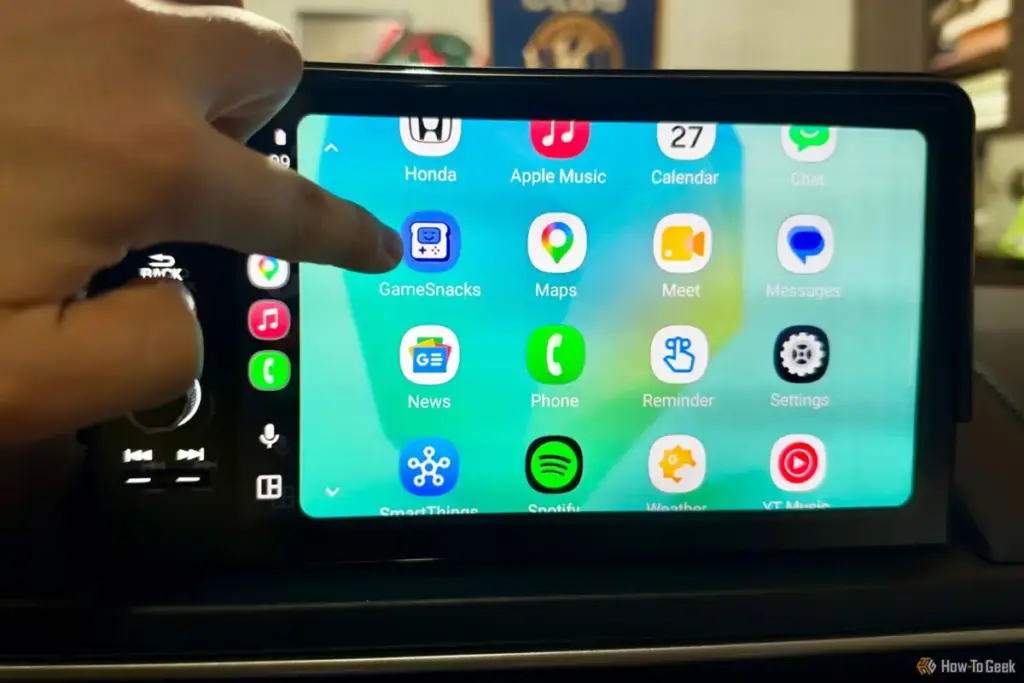
Integrating a specialized CarPlay and Android Auto interface into the Premium tier would make logical sense. It would add significant value to the subscription while ensuring that the feature is used by those most invested in the YouTube ecosystem. This interface could be stripped of all visual distractions—no video feed, no comments section, and no distracting animations. It would simply be a portal to the audio content that millions of people already rely on.
The User Experience of a "Safe" YouTube App
What would such an app look like? It would likely prioritize the "Watch Later" list and "Subscribed" feeds. It could utilize voice commands—via Siri or Google Assistant—to search for specific creators or topics, allowing the driver to keep their hands on the wheel. It could also offer a "Driving Mode" toggle within the mobile app that, when connected to a car, automatically switches the feed to audio-only versions of videos, perhaps even using lower-bandwidth streams to save data and reduce buffering in areas with poor reception.
The reality is that YouTube has already moved into this space with YouTube Music, but the two libraries are not perfectly synced. Many of the long-form video essays and niche podcasts available on the main YouTube platform do not appear in the YouTube Music app. This fragmentation is what creates the need for a dedicated YouTube "Audio" presence on the car’s display.
The Alternatives and the Path Forward
For now, many users are finding themselves turning back to older forms of media or different platforms entirely. The author notes a rediscovered appreciation for audiobooks, which are perfectly served by apps like Audible or Libby on CarPlay. Audiobooks offer a structured, long-form narrative that is ideal for driving, and they don’t require the technical gymnastics that YouTube currently demands.
If all else fails, there is always the traditional radio—a medium that has survived for over a century by perfecting the art of the audio-only experience for drivers. Yet, in an era where we have the world’s information at our fingertips, it feels like a missed opportunity for YouTube not to have a seat at the table—or rather, a place on the dashboard.
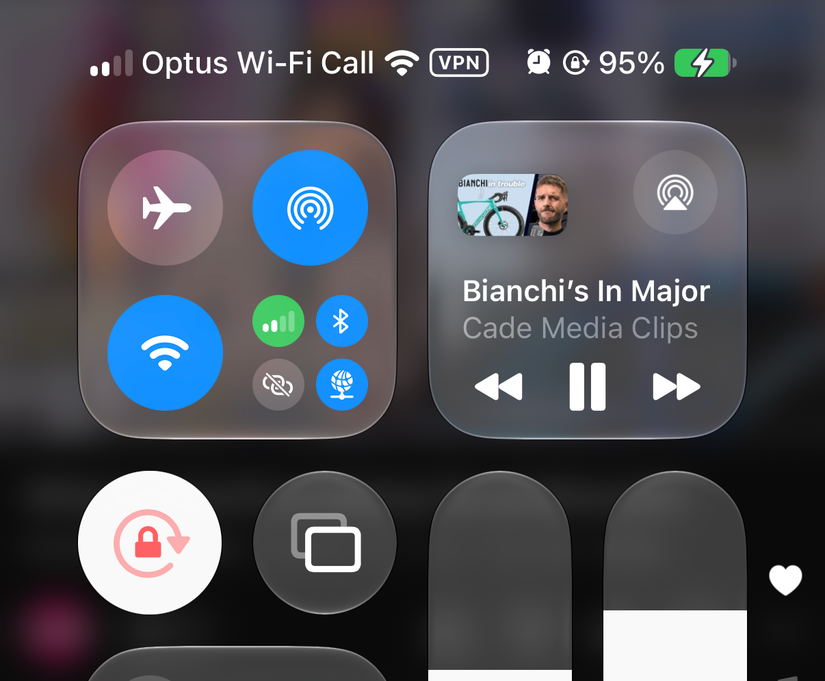
The shift in how we consume media is clear. YouTube is no longer just a place for "cat videos" or visual tutorials; it is a massive, diverse library of spoken-word content that rivals any podcast network or radio station in existence. As CarPlay and Android Auto continue to mature, the integration of a safe, audio-centric YouTube experience seems less like a radical idea and more like an inevitable evolution of the modern commute. Until then, drivers will continue to juggle their "Now Playing" screens and background playback, waiting for the day when their favorite video platform finally acknowledges that, sometimes, we just want to listen.
 Tech Tutorials & How-To Guides
High-Octane Streaming: Four Netflix Miniseries to Transform Your Cardio Routine
The psychological challenge of the treadmill is a familiar hurdle for fitness...
 Tech Tutorials & How-To Guides
The Rise of the "Travel Binge": Why Limited Series Are Becoming the Preferred Companion for the Modern Traveler
The modern travel experience has undergone a quiet but significant digital transformation...
 Tech Tutorials & How-To Guides
Reliability Without the Premium Price: The Evolution of Affordable Multi-Tools for Modern Everyday Carry
The concept of "Everyday Carry," or EDC, has evolved from a niche...







