
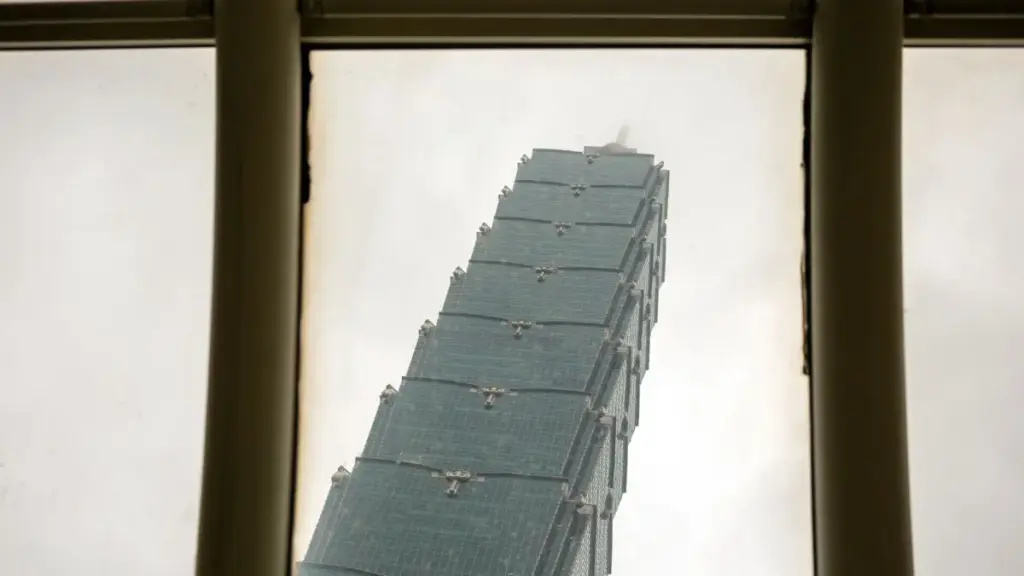
The backdrop to this public display of support is a corporate and personal crisis that has sent shockwaves through the global semiconductor industry. Jensen Huang’s departure from Nvidia, the company he co-founded and led to the pinnacle of the artificial intelligence era, was not a standard executive transition. Reports from within the company describe a scene of emotional devastation during the resignation meeting, with the former CEO described as “broken and shattered” as he surrendered his leadership role. This sudden fall from grace followed Huang’s admission of a romantic involvement with a woman who has since been identified by United States intelligence agencies as a suspected operative for the Chinese government. The relationship, characterized by intelligence officials as a classic “honeypot” operation, has placed one of the world’s most powerful tech executives at the center of a national security investigation.
The scandal extends far beyond the personal life of the former CEO, touching upon the sensitive and highly regulated world of advanced AI hardware. The woman at the center of the controversy was reportedly linked to Megaspeed, a Singapore-based company that is now the subject of a rigorous criminal investigation by the United States government. According to official reports, Megaspeed is accused of facilitating the illicit movement of approximately $2 billion worth of Nvidia’s high-end AI chips, effectively bypassing the stringent export controls designed to prevent such technology from reaching the Chinese military and state apparatus. These chips, which are essential for the development of large language models and advanced military applications, are at the very heart of the ongoing technological cold war between Washington and Beijing. The US government’s decision to place Megaspeed on a “no-sell” list and launch a formal criminal inquiry underscores the severity of the alleged breach.
Despite the gravity of these accusations and the ongoing federal investigations, the sentiment in Taiwan remains overwhelmingly sympathetic toward Huang. For many in the country, Huang is more than just a successful businessman; he is a cultural hero who represents Taiwan’s vital role in the global supply chain. Under his leadership, Nvidia became the most critical partner for Taiwan Semiconductor Manufacturing Company (TSMC), creating a symbiotic relationship that has defined the modern computing landscape. This deep-seated respect was the primary driver behind the light show at Taipei 101. The project was not a corporate marketing campaign but a grassroots effort funded by members of Taiwan’s own technology industry. Local tech workers, many of whom view Huang as a visionary who elevated Taiwan’s international standing, pooled their resources to finance the messages on the skyscraper.
One participant in the fundraising effort, a technology worker who spoke on the condition of anonymity, explained that the goal of the light show was to “bring back Jensen Huang” and to ensure that the former CEO knew he still had the unwavering support of the Taiwanese people. The choice of the Taipei 101 building for this message was deeply symbolic. As the tallest building in Taiwan and a former record-holder for the tallest building in the world, it is a site usually reserved for national celebrations or major international milestones. To use it as a billboard for a former CEO’s personal and professional crisis is a testament to the unprecedented impact Huang has had on the national consciousness. The messages projected—focusing on family, friendship, and mutual growth—seemed designed to provide a humanistic counter-narrative to the clinical and often harsh nature of the criminal allegations and corporate fallout.
The internal atmosphere at Nvidia has been equally charged. While the executive suite deals with the fallout of the resignation and the legal implications of the Megaspeed investigation, the company’s workforce has shown signs of significant internal unrest. On internal company forums, thousands of employees have reportedly rallied in support of their founder, with many calling for his immediate reinstatement. This internal movement mirrors the public sentiment seen in Taipei, suggesting a deep loyalty to a leader who built the company from a three-person startup into a multi-trillion-dollar titan of the AI age. For many employees, the idea of Nvidia without Jensen Huang is unthinkable, leading to a period of profound uncertainty regarding the future direction of the company and its culture.
The implications of this scandal for the broader tech industry are immense. Nvidia currently occupies a near-monopoly position in the market for the chips that power generative AI, making its leadership and its compliance with export laws a matter of global economic stability. The allegation that $2 billion worth of these chips were smuggled via a Singaporean intermediary suggests a significant vulnerability in the enforcement of international trade restrictions. If it is proven that a “honeypot” operation successfully compromised the CEO of the world’s most important chip company to facilitate this smuggling, the repercussions will likely lead to a massive overhaul of corporate security protocols and government oversight within the semiconductor sector.
In the United States, the criminal investigation into Megaspeed is being watched closely by both industry analysts and national security experts. The core of the investigation revolves around how such a massive quantity of restricted hardware could be diverted without detection. The U.S. government has been increasingly aggressive in its efforts to ringfence AI technology, viewing it as a critical frontier for national defense. The revelation that Nvidia chips were allegedly funneled through suspicious channels has led to a hardening of the stance against companies suspected of aiding in the evasion of export controls. Nvidia’s decision to distance itself from Megaspeed and cooperate with federal authorities is seen as a necessary step to protect its remaining business interests, yet the shadow of the founder’s personal involvement continues to loom over the proceedings.
In Taiwan, however, the nuances of U.S. export law and intelligence reports often take a backseat to the personal narrative of a local son who made it big on the world stage. Huang’s frequent visits to Taiwan, his penchant for visiting local night markets, and his accessible public persona have endeared him to a public that feels a sense of ownership over his success. The "Thrive Together" message projected onto Taipei 101 reflects a belief that the fortunes of Taiwan and the fortunes of Jensen Huang are inextricably linked. To many in Taipei’s Hsinchu Science Park and beyond, the attacks on Huang are perceived not just as a legal matter, but as a challenge to a figure who has become a symbol of Taiwanese ingenuity and resilience.
As the legal process unfolds in the United States and the criminal investigation into Megaspeed continues, the tech world remains in a state of suspended animation. The vacancy at the top of Nvidia has created a power vacuum at a time when the competition in the AI space is reaching a fever pitch. Rivals are closely monitoring the situation, seeking to capitalize on any perceived instability within the market leader. Meanwhile, the messages on Taipei 101 have faded, but the sentiment they represented remains a potent force in the ongoing drama. The intersection of personal indiscretion, corporate espionage, and high-level geopolitics has created a crisis without modern precedent, leaving the future of Jensen Huang and the company he built hanging in the balance.
The coming months will likely bring more clarity as investigators delve deeper into the operations of Megaspeed and the specific nature of the intelligence gathered by U.S. agencies. For now, the story remains a complex tapestry of a fallen leader, a company in turmoil, and a nation that refuses to turn its back on its most famous technological ambassador. Whether the grassroots movement to "bring back Jensen Huang" will have any impact on the board of directors or the federal investigators remains to be seen, but the display in Taipei has ensured that the human element of this global scandal remains front and center. In the high-stakes world of artificial intelligence, where data and algorithms usually reign supreme, the events of the past week have served as a stark reminder of the enduring power of human relationships, loyalty, and the unpredictable nature of personal reputation.
 Hardware Reviews & PC Building
Thieves Targeting High-Value AI Hardware Left with Tons of Sand After Hijacking Nvidia-Branded Trailers
In an era where artificial intelligence has become the primary driver of...
 Hardware Reviews & PC Building
GlobalFoundries Unveils FDX Fusion: Aiming for 7nm Performance with Planar Transistors and No EUV by 2030
In a strategic move that reinforces its departure from the traditional "leading-edge"...
 Hardware Reviews & PC Building
Brazilian lawyers busted for attempting to manipulate court’s AI with prompt injection hidden in filing —…
The discovery was brought to public attention by Professor Vladimir Aras of...







