
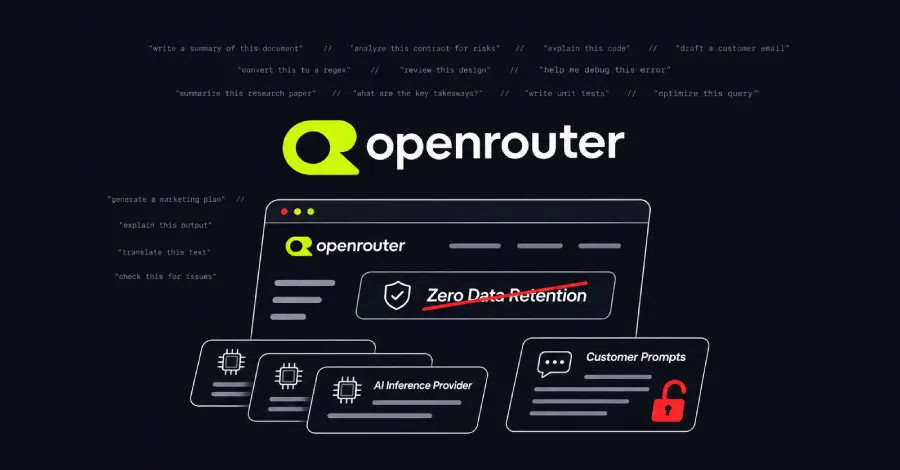

Crucially, the data theft occurred at the very edge of the provider’s network. Some of the stolen data came from requests that the provider had rejected before an AI model even began to run. This indicates that the attacker was not necessarily targeting the models themselves, but was instead copying traffic at the first point of arrival—the ingress point where data first enters the provider’s environment.
Once the attacker obtained the credentials, they moved with remarkable speed. In several instances, the stolen AWS keys were tested within hours of the initial prompt being sent. The threat actor engaged in extensive reconnaissance and persistence maneuvers, listing S3 buckets, searching through AWS Secrets Manager and the Parameter Store, and attempting to create Bedrock API keys. They also tried to add new Identity and Access Management (IAM) users to maintain long-term access to the compromised environments, driving tens of thousands of AWS API calls in the process.
The investigation also identified the use of ARTEX, an AI-driven penetration testing framework. On November 1, an attacker utilized ARTEX to confirm that the keys they held remained active. Researchers identified specific user agents associated with this activity—"artex-agent" and "artex-judge-r121"—which do not appear on standard public indicator lists. Dragos has recommended that security teams add these agents to their detection systems to identify similar unauthorized activity.
The Rise of "Shadow" Routing and Marketplace Risks
Beyond direct breaches, the research highlighted the inherent risks of the AI inference marketplace, where "gateways" and resellers route requests to various upstream providers to find the lowest cost or best performance.
In one instance, researchers found that some sellers on an AI inference marketplace were deliberately listing models at the lowest possible prices to attract traffic, only to enable request logging and collect the data that flowed through their systems. The actors behind these operations appeared to be individuals using standard home internet connections. One such actor, operating from a Mac on a home broadband connection in France, was observed manually typing root SSH login attempts using passwords harvested from stolen prompts.
The complexity of the AI supply chain further complicates data privacy. The research tracked one canary key that traveled through a router that quietly forwarded a portion of its traffic to a marketplace—a "hop" that the customer was never informed about. Route tracing across approximately 2,000 paths identified several hundred unidentified systems in the chain, including one seller that was found to be injecting approximately 1,000 hidden tokens into every prompt it processed.
International data sovereignty also emerged as a concern. A Chinese AI lab, which remained unnamed in the report, was found to have fetched secret links from more than half of the seeded prompts sent to its models between July and October. This included two-thirds of the requests that had been explicitly marked for "Zero Data Retention." Even prompts sent to U.S.-based hosting providers that resell the lab’s models triggered the same scraping activity, effectively funneling the data back to the lab in China.
 Cybersecurity Basics & Security News
Critical Vulnerability in Elementor Plugin Leaves Two Million WordPress Sites Open to Full Takeover
A high-severity security flaw has been identified in Elementor, the most widely...
 Cybersecurity Basics & Security News
The Rise of the Personal AI Agent: Navigating the Shift from BYOD to BYOAI in the Corporate Security Landscape
The rollout of personal artificial intelligence agents is proving to be a...
 Cybersecurity Basics & Security News
Security Flaw in Anthropic’s Claude Code Exposes Sensitive Developer Secrets on Public GitHub Repositories
The rapid integration of artificial intelligence into the software development lifecycle has...







