
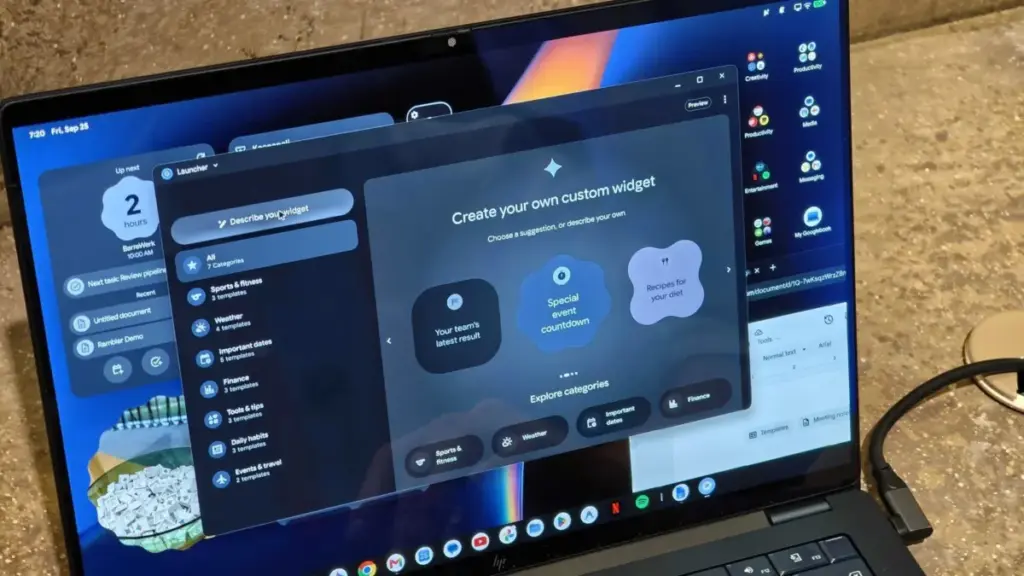
The landscape of portable computing is undergoing its most significant transformation in over a decade. For years, the Chromebook served as the reliable, web-centric alternative to traditional Windows and macOS machines, carving out a dominant niche in education and budget-friendly consumer sectors. However, Google’s recent strategic pivot to the "Googlebook" brand signifies a fundamental shift in how the company views the intersection of mobile and desktop computing. As this new ecosystem begins to take shape, a major new player appears ready to enter the fray.
Recent reports and social media leaks suggest that Samsung, a long-time partner of Google and a dominant force in the Android smartphone market, is preparing its first entry into the Googlebook series. This development, if confirmed, would represent a significant vote of confidence in Google’s revamped laptop strategy and could provide the high-end hardware muscle needed to elevate the platform’s status among professional users.
The Geekbench Leak: A Glimpse at Samsung’s Vision
The news first broke via the social media platform X, where noted tipster Abhishek Yadav shared details of a Samsung-branded device passing through the Geekbench database. The listing, which has since circulated through outlets like Android Headlines, points toward a device that is not merely a budget-friendly alternative, but a high-performance machine designed to compete with premium ultrabooks.
According to the leaked specifications, Samsung’s first Googlebook is powered by Qualcomm’s Snapdragon X Elite System-on-Chip (SoC). This choice of processor is particularly telling. The Snapdragon X Elite has been the centerpiece of the recent "Copilot+" PC movement in the Windows world, praised for its impressive power-to-watt ratio and its ability to handle intensive AI tasks. By utilizing this same architecture for the Googlebook, Samsung and Google are positioning these devices as legitimate productivity tools capable of handling more than just web browsing and document editing.
The Geekbench listing provides a granular look at the chip’s architecture, detailing a 12-core configuration. The cluster appears to be divided between four high-performance cores clocked at 3.42GHz and eight efficiency cores reaching up to 4.01GHz. This robust core count, paired with the listed Adreno X1-85 GPU, suggests a device capable of smooth multitasking, high-definition media consumption, and perhaps even moderate creative workloads that were previously the Achilles’ heel of the ChromeOS ecosystem.
Perhaps the most intriguing detail in the leak is the mention of 16GB of RAM and the software version. The listing indicates the device is running on Android 17. Given that Android 15 is only just reaching the public, the mention of Android 17 suggests that this Samsung Googlebook is a forward-looking project, likely intended for a release window that aligns with Google’s future software roadmap.
What You Need to Know: The Convergence of Android and Desktop
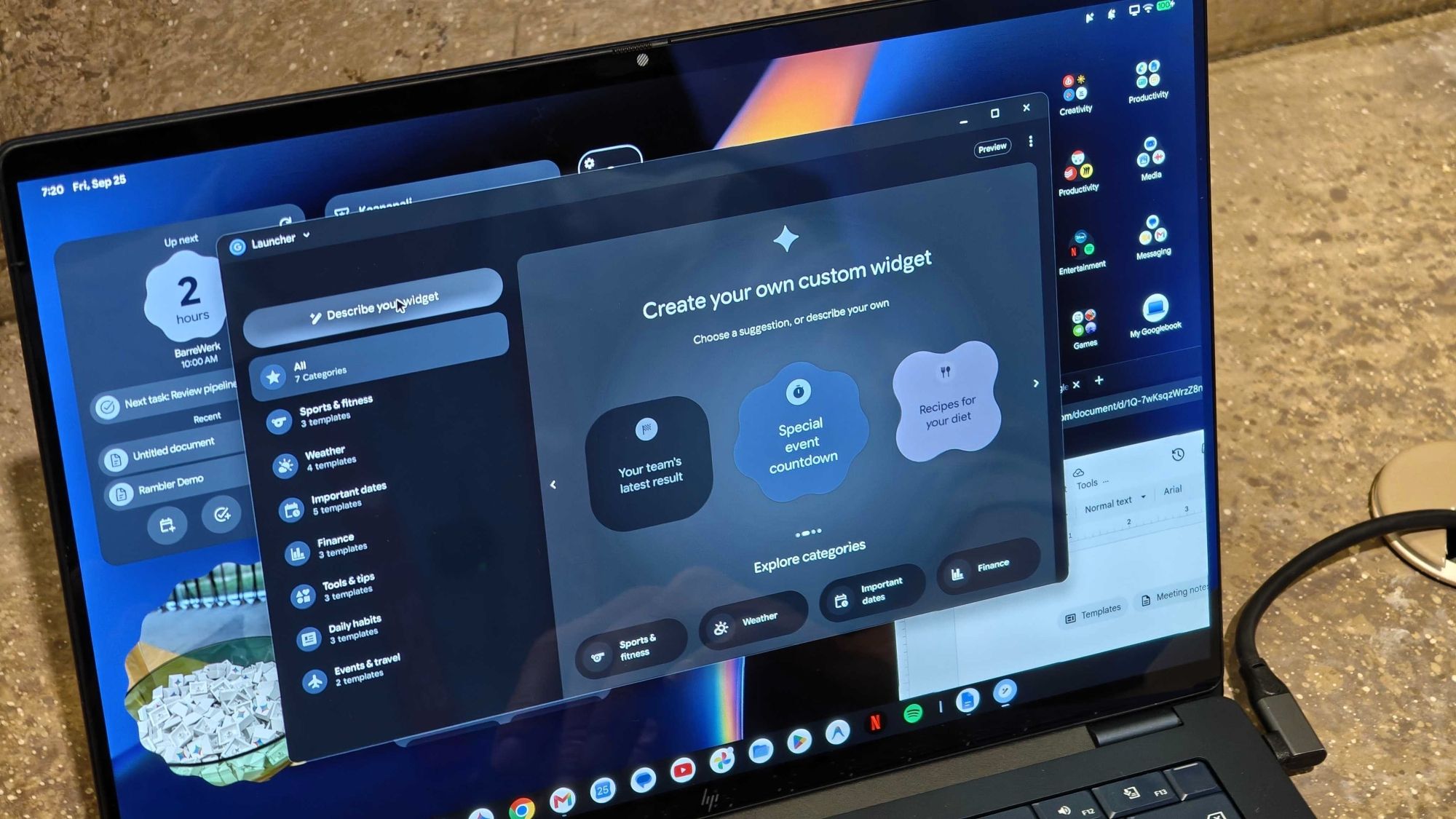
The transition from "Chromebook" to "Googlebook" is more than a simple rebranding exercise; it is a technical evolution. While Chromebooks were built on the foundation of the Chrome browser, the Googlebook appears to be leaning much more heavily into the Android framework. The leak regarding Android 17 as the primary operating system reinforces earlier rumors that Google is working to merge the best of its mobile OS with the functional requirements of a desktop environment.
Samsung’s involvement adds another layer of complexity and potential. Previous rumors from publications like SamMobile have suggested that Samsung may not settle for a "stock" version of the Googlebook software. Instead, there are indications that the company might attempt to overlay its signature One UI design atop the Android-based laptop OS.
This move would mirror Samsung’s strategy with its Galaxy S smartphones and Galaxy Z foldables. A One UI-skinned Googlebook could offer a level of ecosystem synergy that currently only Apple provides. Imagine a laptop that shares the exact visual language, icon sets, and feature suites (such as Quick Share, Multi Control, and Samsung Notes) as a Galaxy S24 or S25. For users already entrenched in the Samsung ecosystem, a Googlebook that feels like an extension of their phone could be a compelling alternative to a Windows-based Galaxy Book.
The Second Wave: Building on the Foundation of the First Googlebooks
The official birth of the Googlebook occurred during "The Android Show" in May, where Google executives laid out a vision for a more integrated, AI-forward future. The company made it clear that the future of their laptops lay in a deeper marriage with the Android ecosystem, moving away from the "browser-in-a-box" reputation of the past.
By late September, the "first wave" of Googlebooks began to hit the market, with pre-orders opening for models manufactured by ASUS, Dell, and HP. These initial devices set the baseline for what consumers should expect from the category: a starting price of $899, premium build quality, and a focus on tactile interaction. Standard features across the first wave included high-resolution touchscreens, haptic glass trackpads for precise feedback, and backlit keyboards.
Samsung’s entry would likely constitute a "second wave" of devices, potentially pushing the hardware boundaries even further. Samsung is world-renowned for its display technology, and many industry watchers expect a Samsung Googlebook to feature one of the company’s industry-leading AMOLED panels, providing deep blacks and vibrant colors that would set it apart from the LCD screens found on many competing models.
The AI Edge: Gemini and Magic Pointer
A core pillar of the Googlebook identity is the deep integration of Artificial Intelligence, specifically Google’s Gemini AI. One of the standout features showcased during the initial launch was "Magic Pointer." This tool allows users to leverage AI contextually without interrupting their workflow. By hovering the mouse pointer over an object, text, or image, users can summon Gemini to provide summaries, translations, or creative insights based on what is currently on the screen.
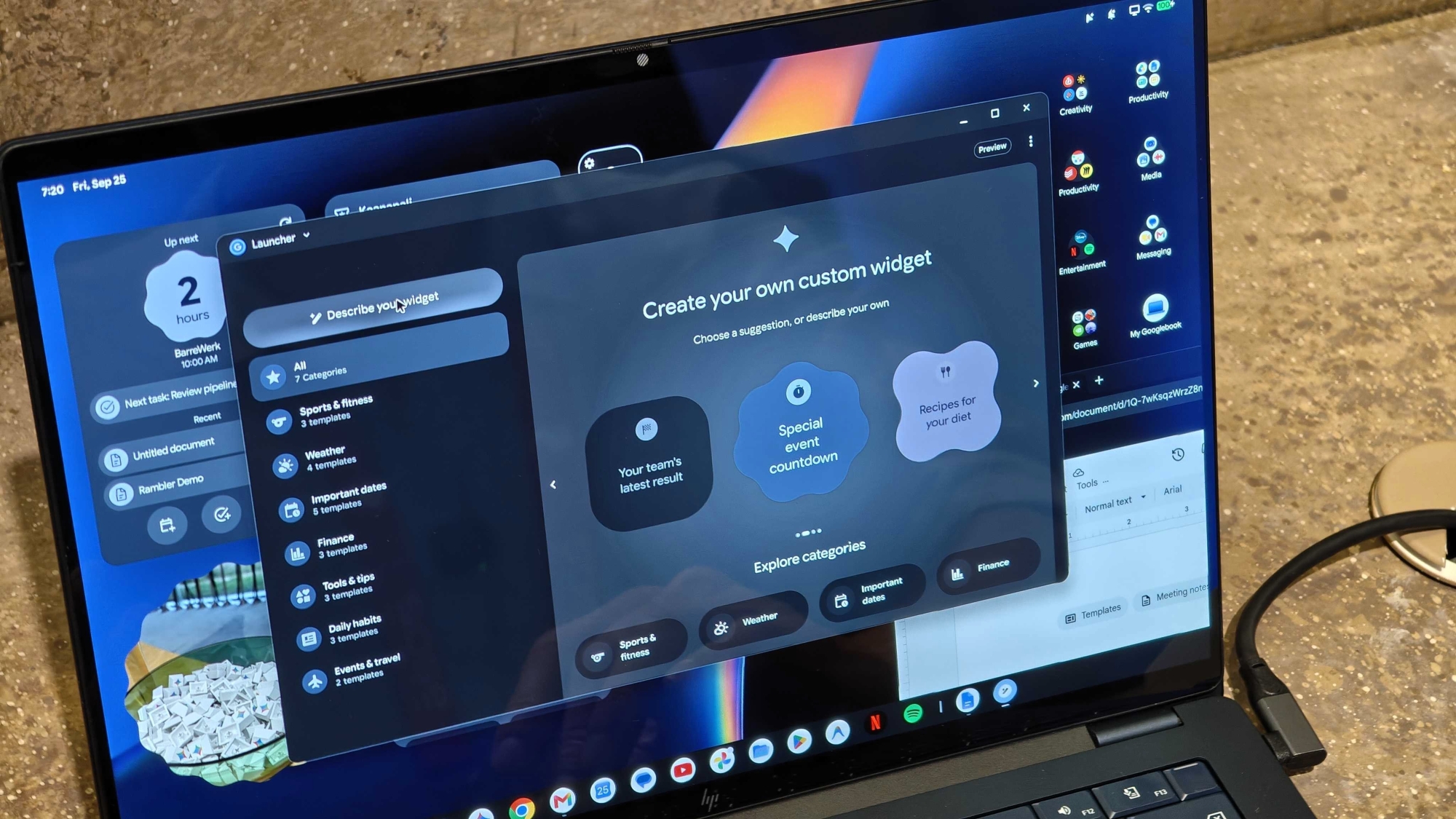
For Samsung, the inclusion of these AI features aligns perfectly with its own "Galaxy AI" marketing push. The synergy between Google’s cloud-based AI and the NPU (Neural Processing Unit) capabilities of the Snapdragon X Elite could make the Samsung Googlebook a formidable device for AI-assisted productivity.
Furthermore, the "Android-first" philosophy of the Googlebook aims to eliminate the friction between devices. When a user signs into a Googlebook, the system is designed to automatically bring over saved passwords, messages, and phone settings from their Android device. For a Samsung user, this could mean a near-instant setup process that mirrors the experience of upgrading to a new Galaxy phone.
Market Implications and the Path Ahead
The emergence of a Samsung Googlebook on Geekbench is a clear signal that the laptop market is entering a period of renewed competition. For years, the high-end laptop market has been a duopoly between Windows and macOS. Google’s attempt to reposition its laptop OS as a high-performance, AI-driven extension of Android—supported by hardware giants like Samsung—represents the most credible threat to that status quo in recent memory.
While the details remain light and the software version (Android 17) suggests we may still be several months away from an official unveiling, the hardware specifications alone are enough to generate significant interest. A 12-core Snapdragon X Elite paired with 16GB of RAM and Samsung’s design pedigree could result in a device that finally breaks the "budget" stigma associated with Google’s previous laptop efforts.
As the industry moves toward ARM-based architecture for better efficiency and "AI PCs" for smarter workflows, the Googlebook is positioned at the intersection of these trends. If Samsung can successfully integrate its One UI experience with Google’s new vision for Android on the desktop, the resulting device could be the most significant laptop release in Samsung’s history.
For now, the tech community must wait for more official word from Seoul or Mountain View. However, if these benchmarks are any indication, the next generation of Googlebooks will be anything but basic. The combination of Qualcomm’s processing power, Google’s AI intelligence, and Samsung’s hardware refinement could finally deliver the premium Android laptop experience that enthusiasts have been demanding for years.
 Mobile Device Management (MDM) & Mobile OS
Google Reportedly Developing Next-Generation TV Streamer with Hands-Free Voice Controls and Presence Sensing
The landscape of home entertainment is shifting once again as reports emerge...
 Mobile Device Management (MDM) & Mobile OS
Meta Enhances Creator Toolkit with AI-Powered Edits Assistant for Instagram Performance Analysis
In an era where the creator economy is increasingly driven by data-driven...
 Mobile Device Management (MDM) & Mobile OS
Google Photos Users Report Crippling App Freezes on Pixel Devices Following Latest AI Update
The Google Pixel ecosystem has long been celebrated for its seamless integration...






