
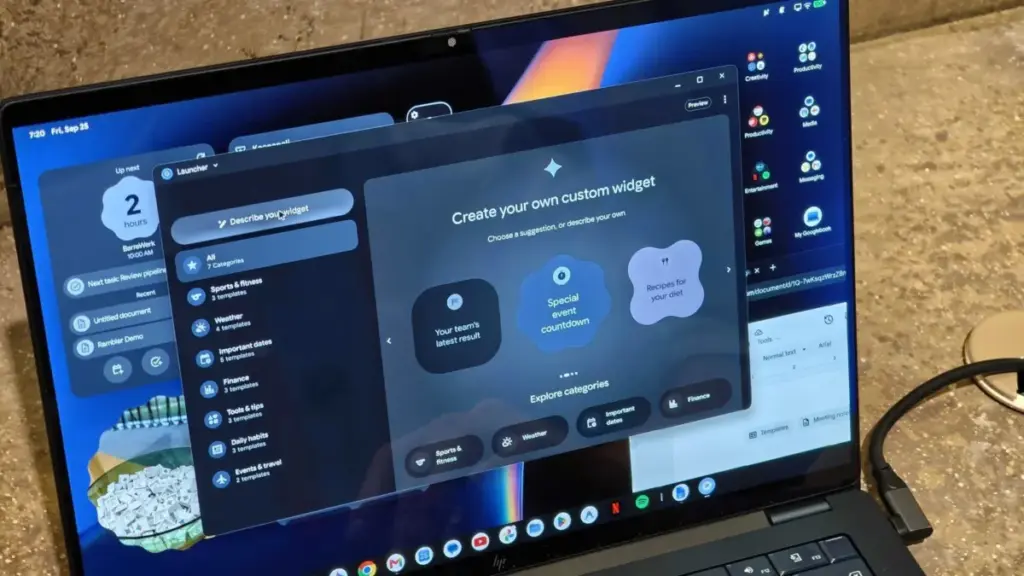
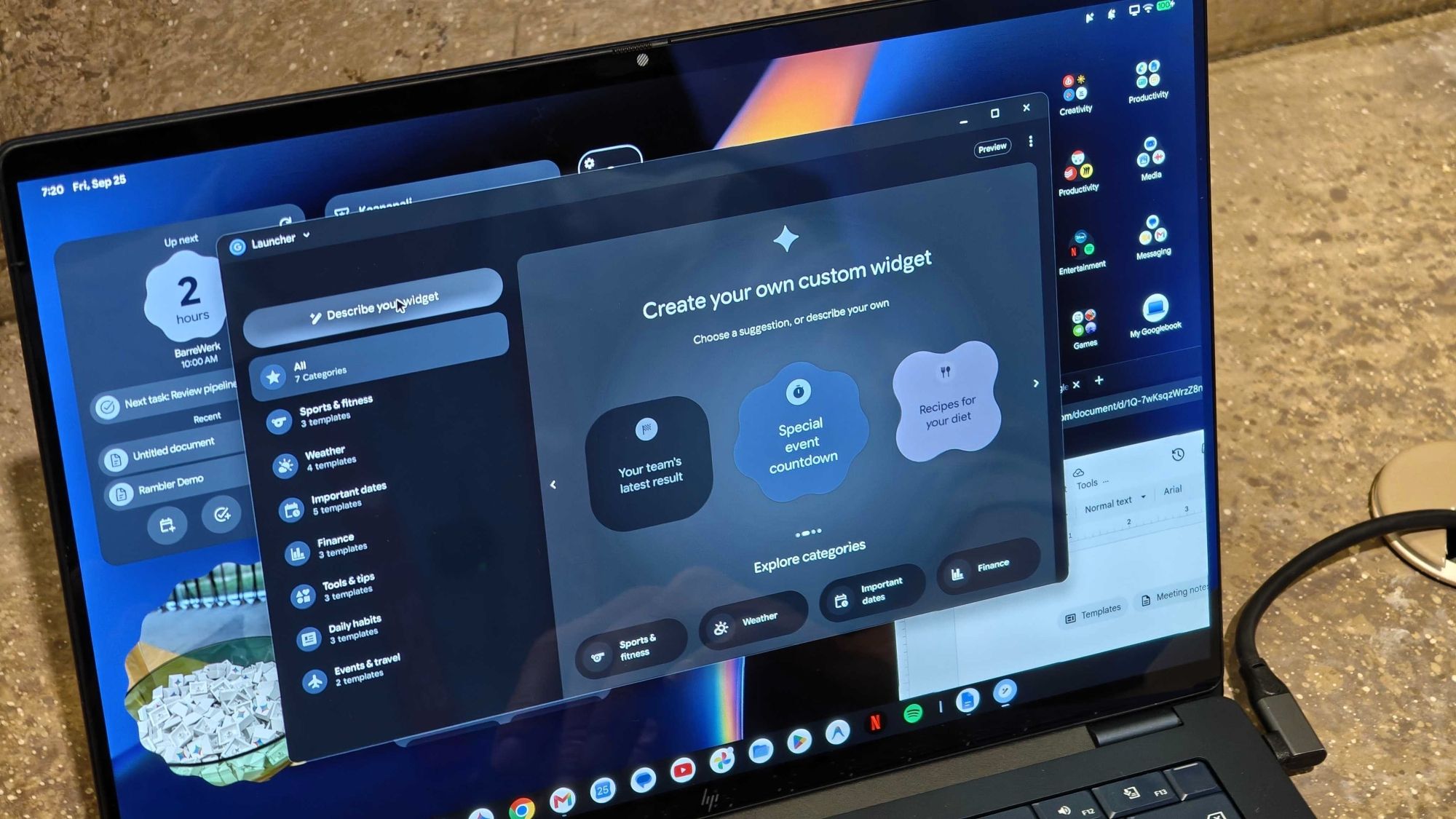
The transition from "Chromebook" to "Googlebook" is more than a simple rebranding exercise; it is a technical evolution. While Chromebooks were built on the foundation of the Chrome browser, the Googlebook appears to be leaning much more heavily into the Android framework. The leak regarding Android 17 as the primary operating system reinforces earlier rumors that Google is working to merge the best of its mobile OS with the functional requirements of a desktop environment.
Samsung’s involvement adds another layer of complexity and potential. Previous rumors from publications like SamMobile have suggested that Samsung may not settle for a "stock" version of the Googlebook software. Instead, there are indications that the company might attempt to overlay its signature One UI design atop the Android-based laptop OS.
This move would mirror Samsung’s strategy with its Galaxy S smartphones and Galaxy Z foldables. A One UI-skinned Googlebook could offer a level of ecosystem synergy that currently only Apple provides. Imagine a laptop that shares the exact visual language, icon sets, and feature suites (such as Quick Share, Multi Control, and Samsung Notes) as a Galaxy S24 or S25. For users already entrenched in the Samsung ecosystem, a Googlebook that feels like an extension of their phone could be a compelling alternative to a Windows-based Galaxy Book.
The Second Wave: Building on the Foundation of the First Googlebooks
The official birth of the Googlebook occurred during "The Android Show" in May, where Google executives laid out a vision for a more integrated, AI-forward future. The company made it clear that the future of their laptops lay in a deeper marriage with the Android ecosystem, moving away from the "browser-in-a-box" reputation of the past.
By late September, the "first wave" of Googlebooks began to hit the market, with pre-orders opening for models manufactured by ASUS, Dell, and HP. These initial devices set the baseline for what consumers should expect from the category: a starting price of $899, premium build quality, and a focus on tactile interaction. Standard features across the first wave included high-resolution touchscreens, haptic glass trackpads for precise feedback, and backlit keyboards.
Samsung’s entry would likely constitute a "second wave" of devices, potentially pushing the hardware boundaries even further. Samsung is world-renowned for its display technology, and many industry watchers expect a Samsung Googlebook to feature one of the company’s industry-leading AMOLED panels, providing deep blacks and vibrant colors that would set it apart from the LCD screens found on many competing models.
The AI Edge: Gemini and Magic Pointer
 Mobile Device Management (MDM) & Mobile OS
Meta Enhances Creator Toolkit with AI-Powered Edits Assistant for Instagram Performance Analysis
In an era where the creator economy is increasingly driven by data-driven...
 Mobile Device Management (MDM) & Mobile OS
RayNeo GT Arrives to Shake Up the Competitive $300 Smart Glasses Market with Enhanced Ergonomics and 3DoF Tracking
The landscape of augmented reality and wearable displays is moving at a...
 Mobile Device Management (MDM) & Mobile OS
Samsung Reportedly Developing ‘Galaxy Studio’ Over-Ear Headphones to Challenge Apple and Sony
The landscape of the premium audio market has long been defined by...






