
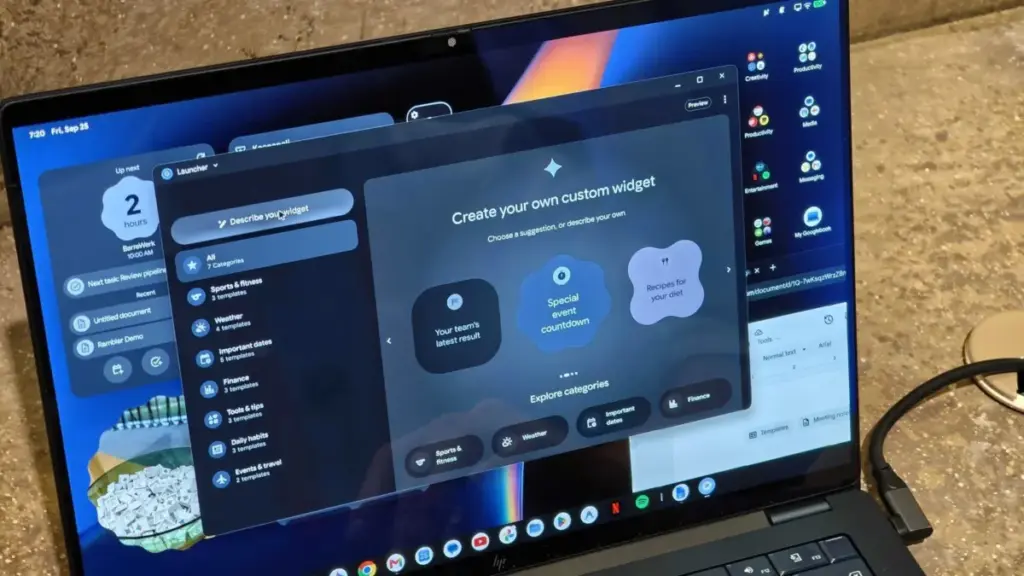
A core pillar of the Googlebook identity is the deep integration of Artificial Intelligence, specifically Google’s Gemini AI. One of the standout features showcased during the initial launch was "Magic Pointer." This tool allows users to leverage AI contextually without interrupting their workflow. By hovering the mouse pointer over an object, text, or image, users can summon Gemini to provide summaries, translations, or creative insights based on what is currently on the screen.
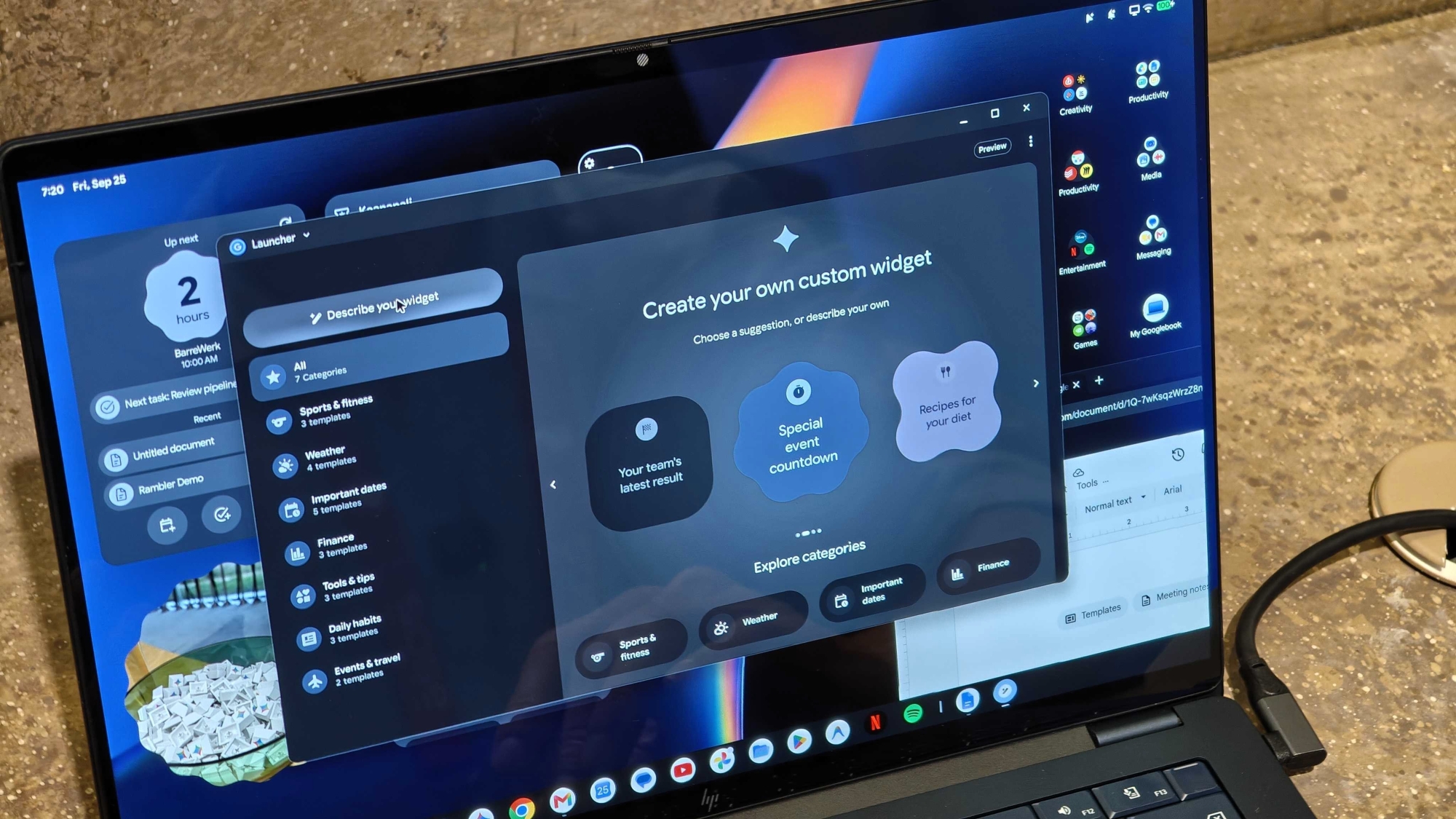
For Samsung, the inclusion of these AI features aligns perfectly with its own "Galaxy AI" marketing push. The synergy between Google’s cloud-based AI and the NPU (Neural Processing Unit) capabilities of the Snapdragon X Elite could make the Samsung Googlebook a formidable device for AI-assisted productivity.
Furthermore, the "Android-first" philosophy of the Googlebook aims to eliminate the friction between devices. When a user signs into a Googlebook, the system is designed to automatically bring over saved passwords, messages, and phone settings from their Android device. For a Samsung user, this could mean a near-instant setup process that mirrors the experience of upgrading to a new Galaxy phone.
Market Implications and the Path Ahead
The emergence of a Samsung Googlebook on Geekbench is a clear signal that the laptop market is entering a period of renewed competition. For years, the high-end laptop market has been a duopoly between Windows and macOS. Google’s attempt to reposition its laptop OS as a high-performance, AI-driven extension of Android—supported by hardware giants like Samsung—represents the most credible threat to that status quo in recent memory.
While the details remain light and the software version (Android 17) suggests we may still be several months away from an official unveiling, the hardware specifications alone are enough to generate significant interest. A 12-core Snapdragon X Elite paired with 16GB of RAM and Samsung’s design pedigree could result in a device that finally breaks the "budget" stigma associated with Google’s previous laptop efforts.
As the industry moves toward ARM-based architecture for better efficiency and "AI PCs" for smarter workflows, the Googlebook is positioned at the intersection of these trends. If Samsung can successfully integrate its One UI experience with Google’s new vision for Android on the desktop, the resulting device could be the most significant laptop release in Samsung’s history.
For now, the tech community must wait for more official word from Seoul or Mountain View. However, if these benchmarks are any indication, the next generation of Googlebooks will be anything but basic. The combination of Qualcomm’s processing power, Google’s AI intelligence, and Samsung’s hardware refinement could finally deliver the premium Android laptop experience that enthusiasts have been demanding for years.
 Mobile Device Management (MDM) & Mobile OS
Google Implements Significant Price Hike for Pixel 10a, Reshaping the Mid-Range Smartphone Landscape
In a move that signals a shift in the value proposition of...
 Mobile Device Management (MDM) & Mobile OS
Google Unveils Android Bench 2.0 to Evaluate AI Performance on Complex, Long-Horizon Development Tasks
In a significant move to refine how artificial intelligence interacts with the...
 Mobile Device Management (MDM) & Mobile OS
Meowdoku: How a Cat-Themed Logic Puzzle Became a Viral Sensation Despite an Exhausting Ad Experience
In the modern digital landscape, the mobile gaming market is increasingly saturated...







