
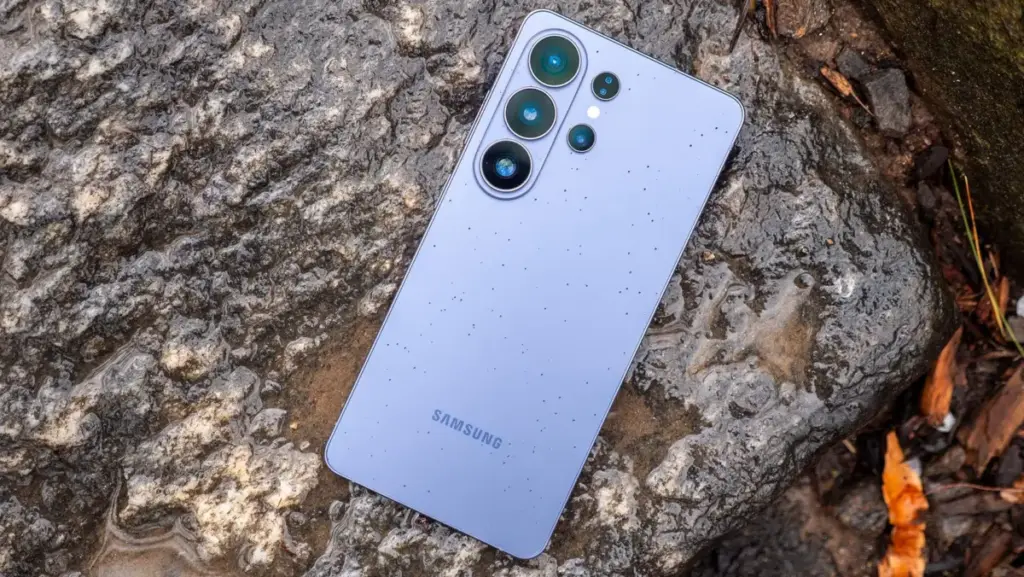
Samsung’s semiconductor division is reportedly entering a critical phase of its roadmap as it moves the next-generation Exynos 2700 chipset into the mass production stage. This development, which highlights the company’s ongoing ambition to achieve parity with industry leaders like Qualcomm and Apple, comes at a time when the South Korean tech giant is re-evaluating its flagship smartphone strategy for 2026 and 2027. While the move toward mass production signals confidence in the hardware, it simultaneously raises significant questions regarding the specific distribution of the chip across the upcoming Galaxy S27 lineup, particularly concerning the top-tier Ultra model.
According to a detailed report from the Korean publication The Elec, Samsung has finalized two major internal decisions regarding the Exynos 2700. The first involves a notable increase in production volume. Insiders suggest that Samsung has instructed its manufacturing arms to prepare for a volume increase of approximately 10% compared to previous initial production runs for flagship Exynos silicon. This uptick in manufacturing capacity is not merely a hedge against supply chain volatility but is believed to be a calculated move to support a rumored expansion of the Galaxy smartphone portfolio.
Specifically, industry whispers have pointed toward the introduction of a "Galaxy S27 Pro" model. This device would theoretically sit between the standard Galaxy S27 and the high-end Galaxy S27 Ultra, providing a middle ground for consumers seeking premium features without the extreme price point or physical footprint of the Ultra. If these rumors materialize, the additional 10% in chip volume would be essential to power this new entry in the series, ensuring that Samsung has enough in-house silicon to meet the demands of a four-model flagship lineup.
Production Milestones and the Ultra Dilemma
Despite the momentum behind the Exynos 2700’s production, Samsung appears to be at a strategic crossroads regarding the Galaxy S27 Ultra. Historically, Samsung has utilized a dual-chip strategy for its S-series flagships. In markets such as the United States, Canada, and China, the company typically employs the latest Snapdragon processors from Qualcomm. Meanwhile, in Europe, Korea, and other international regions, Samsung often opts for its proprietary Exynos chips.
However, the report from The Elec suggests that Samsung "has not yet been decided" on how extensively the Exynos 2700 will be integrated into the Galaxy S27 Ultra on a global scale. The Ultra model represents the pinnacle of Samsung’s mobile engineering, and any perceived performance gap between Exynos and Snapdragon variants often leads to significant consumer pushback in markets receiving the Exynos version.
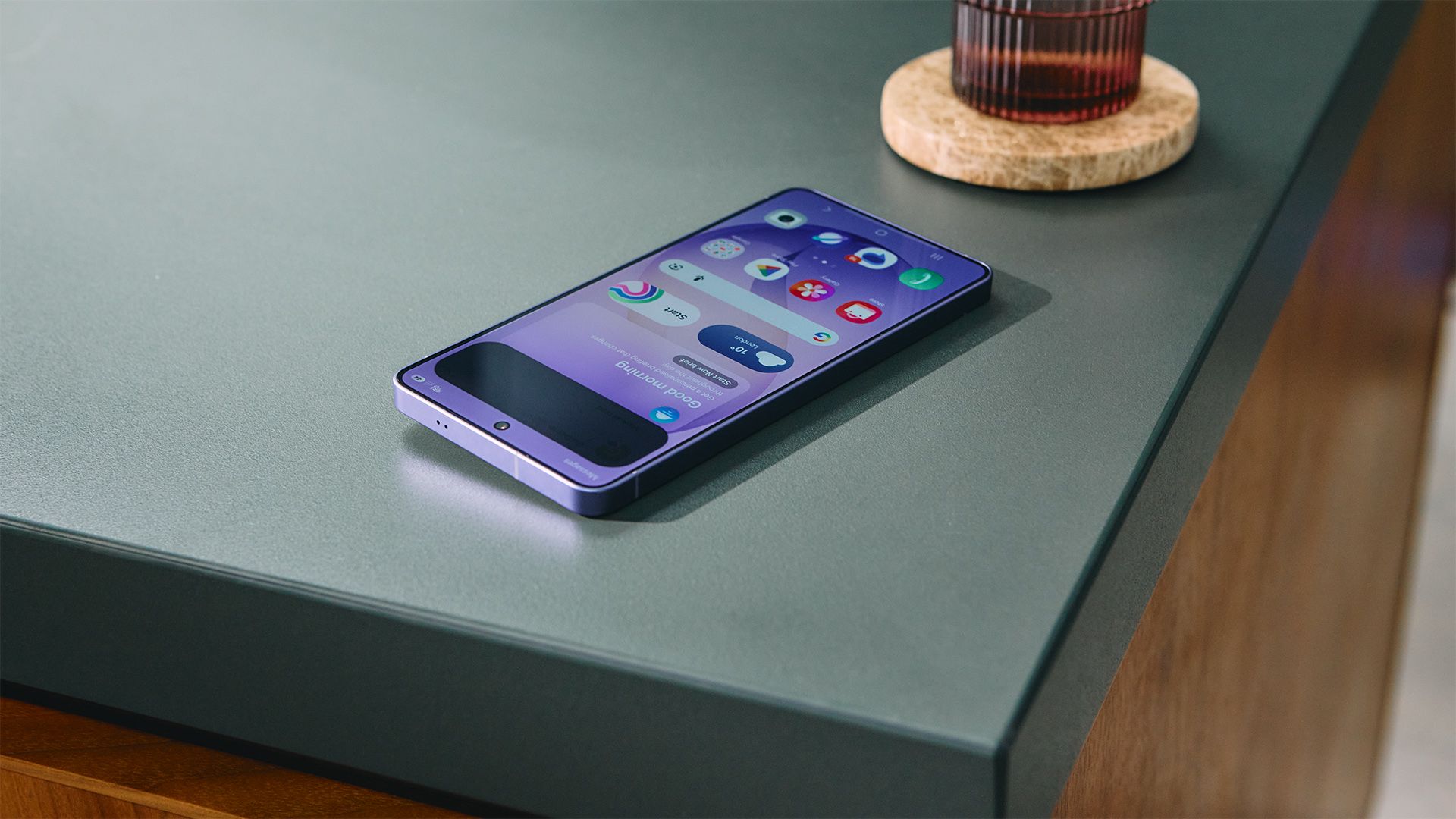
Current speculation indicates that the U.S. market will almost certainly retain the latest Snapdragon chips—likely the Snapdragon 8 Gen 5 or Gen 6, depending on the naming convention at the time. The uncertainty lies in whether Samsung will finally feel confident enough in the Exynos 2700 to deploy it in the Ultra model across more territories, or if it will continue to rely on Qualcomm to maintain the Ultra’s "performance king" status. This decision is complicated by the rising costs of Qualcomm’s licensing and chip procurement, which have pressured Samsung to look for ways to lean more heavily on its internal solutions to preserve profit margins.
Technical Innovations and Thermal Management
The development of the Exynos 2700 has not been without its challenges, but recent reports suggest that Samsung has prioritized solving the historical pain points of the Exynos brand: heat and efficiency. For years, the Exynos line has struggled with thermal throttling, where the chip would slow down to prevent overheating, leading to a degraded user experience during intensive tasks like gaming or high-resolution video recording.
To combat this, Samsung has reportedly integrated Heat Path Block (HPB) technology into the Exynos 2700. This specialized cooling architecture is designed to optimize the way heat is dissipated from the silicon to the phone’s internal cooling systems. By creating a more efficient "path" for thermal energy to exit the chip, Samsung aims to keep the processor running at peak clock speeds for longer durations. A cooler chip is not just a matter of comfort for the user; it is a fundamental requirement for maintaining the high-performance thresholds expected of a modern flagship device.
On the performance front, the Exynos 2700 is rumored to be a powerhouse. Preliminary data suggests a 10-core CPU structure, a configuration that allows for a sophisticated balance between high-performance cores for demanding tasks and high-efficiency cores for background processes. The fastest of these cores is expected to reach clock speeds of approximately 2.88GHz.
Furthermore, the partnership between Samsung and AMD continues to bear fruit in the graphics department. The Exynos 2700 is slated to feature the Xclipse 970 GPU, based on AMD’s RDNA architecture. Early performance metrics purport a 12% boost in graphical processing power over its predecessor. This is particularly relevant as mobile gaming becomes increasingly sophisticated, with titles demanding desktop-level features such as hardware-accelerated ray tracing and high-frame-rate stability. Some bold industry claims even suggest that the Exynos 2700 could, for the first time in several generations, challenge or even surpass the performance metrics of Qualcomm’s equivalent flagship chips.
Market Positioning and Economic Implications
Beyond the raw specifications, the success of the Exynos 2700 is vital to Samsung’s broader economic strategy. By producing its own chips, Samsung can significantly reduce the "Qualcomm tax"—the high cost associated with purchasing third-party processors. These savings can be used in two ways: they can be passed on to the consumer to make the Galaxy S27 series more price-competitive against rivals like the iPhone and Google Pixel, or they can be reinvested into other hardware components, such as improved camera sensors or more advanced display technology.
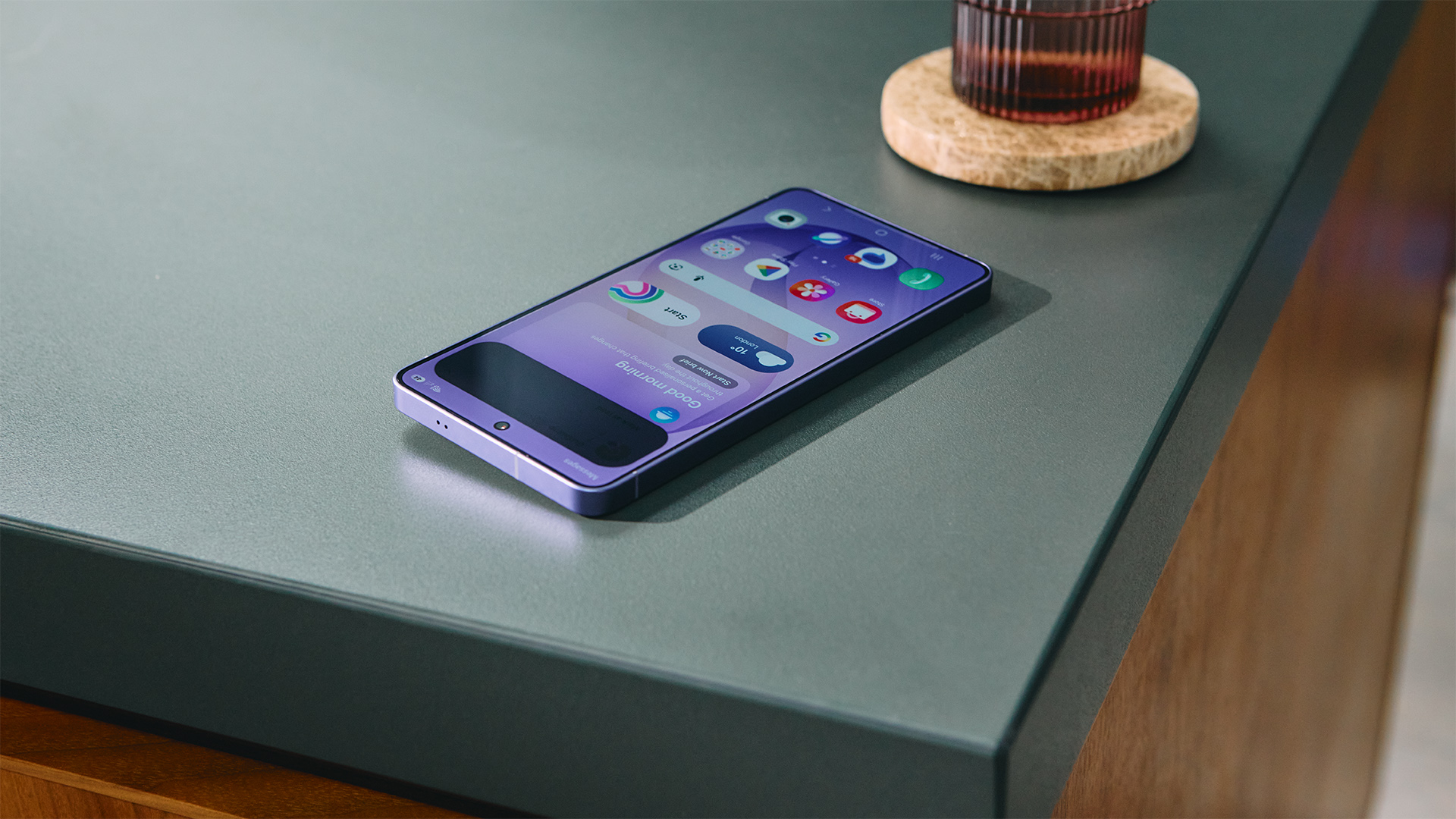
The potential inclusion of an Exynos-powered "Galaxy S27 Pro" suggests that Samsung is looking to dominate the "premium" segment of the market more aggressively. If the Exynos 2700 proves to be as efficient and powerful as the rumors suggest, it would allow Samsung to offer a high-performance device at a price point that undercuts competitors who are forced to rely solely on expensive third-party silicon.
However, the shadow of past Exynos iterations looms large. The brand has a reputation to rebuild, particularly among power users and gamers who have historically favored the Snapdragon variants. For the Exynos 2700 to be considered a true success, it must not only match the competition in synthetic benchmarks but also provide a seamless, cool-running experience in real-world scenarios.
Industry Outlook and the Path Forward
The move to mass production indicates that Samsung’s engineers believe they have a viable product that can stand up to the rigors of the global smartphone market. However, the hesitation regarding the Galaxy S27 Ultra shows that the company is still treading carefully. The Ultra is the face of the Galaxy brand; any misstep with its processor could have long-lasting effects on brand loyalty and market share.
As the industry looks toward 2026, the focus will remain on how the Exynos 2700 handles graphical loads and sustained performance. If Samsung has indeed mastered the thermal challenges through HPB technology and optimized the Xclipse 970 GPU for modern gaming, the Exynos 2700 could mark a turning point for the company’s semiconductor ambitions.
For the average consumer, the internal debate at Samsung over which chip goes into which phone might seem like technical minutiae. Yet, the outcome of these decisions will dictate the battery life, gaming performance, and overall longevity of the next generation of Galaxy devices. With the Galaxy S27 series expected to debut in early 2027, the coming months of mass production and final testing will be the ultimate trial for the Exynos 2700. If it succeeds, it may finally silence the critics and establish Samsung as a truly self-sufficient titan in the mobile processor space.
 Mobile Device Management (MDM) & Mobile OS
Google Implements Significant Price Hike for Pixel 10a, Reshaping the Mid-Range Smartphone Landscape
In a move that signals a shift in the value proposition of...
 Mobile Device Management (MDM) & Mobile OS
Motorola Signals a High-End Return to North America with the Snapdragon-Powered Signature 27
At the recent Snapdragon Summit hosted by Qualcomm, an event typically dominated...
 Mobile Device Management (MDM) & Mobile OS
Power on the Move: Why High-Wattage Wired Charging is Becoming Essential for Modern Travelers
In the rapidly evolving landscape of mobile technology, the way we power...







