
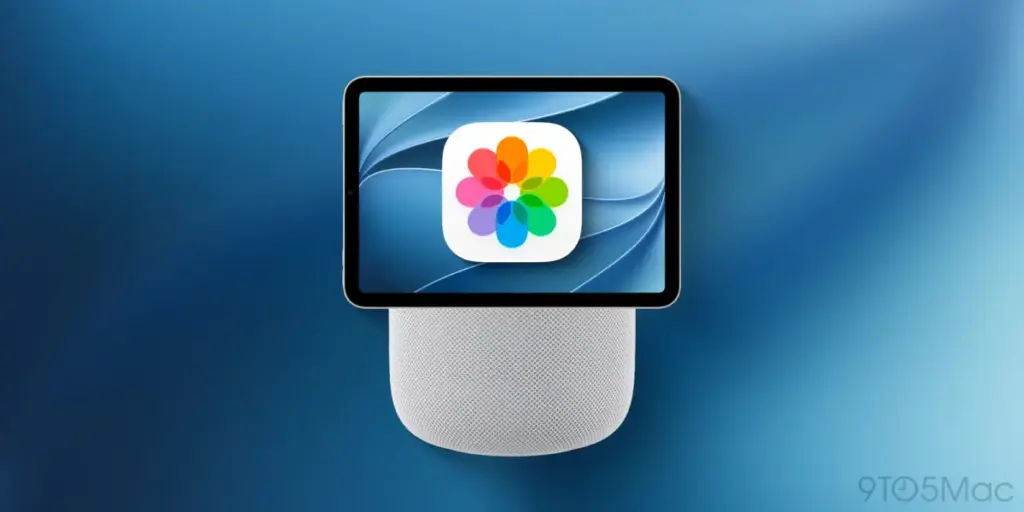
While the announcement is imminent, consumers may have to wait a few weeks before they can place the device on their kitchen counters or mount it in their hallways. Gurman reports that although the HomeView will be the star of the October 13 event, the actual retail release is not expected until the middle of November. This timing suggests that Apple is positioning the HomeView as a primary holiday season offering, ensuring it hits store shelves just as the year-end shopping rush begins. The "HomeView" moniker itself was recently uncovered through trademark filings, a discovery first reported by MacRumors, which further solidified the branding direction Apple is taking for its entry into the smart display market.
The physical design of the HomeView is perhaps its most striking feature, drawing heavy inspiration from one of Apple’s most iconic legacy products: the iMac G4. Often remembered for its "sunflower" aesthetic, the G4 featured a screen attached to a flexible arm that sat atop a domed base. The HomeView reportedly modernizes this silhouette, featuring a floating display that rests on a high-quality speaker base. This design choice is not merely a nostalgic nod to the company’s past but serves a functional purpose, likely allowing users to tilt and swivel the screen for optimal viewing angles from various positions in a room. For users who prefer a more integrated look, Apple is also preparing a wall-mountable version of the device. This variant will differ from the desktop model by utilizing a square base, designed to sit flush against a wall rather than occupying surface space.
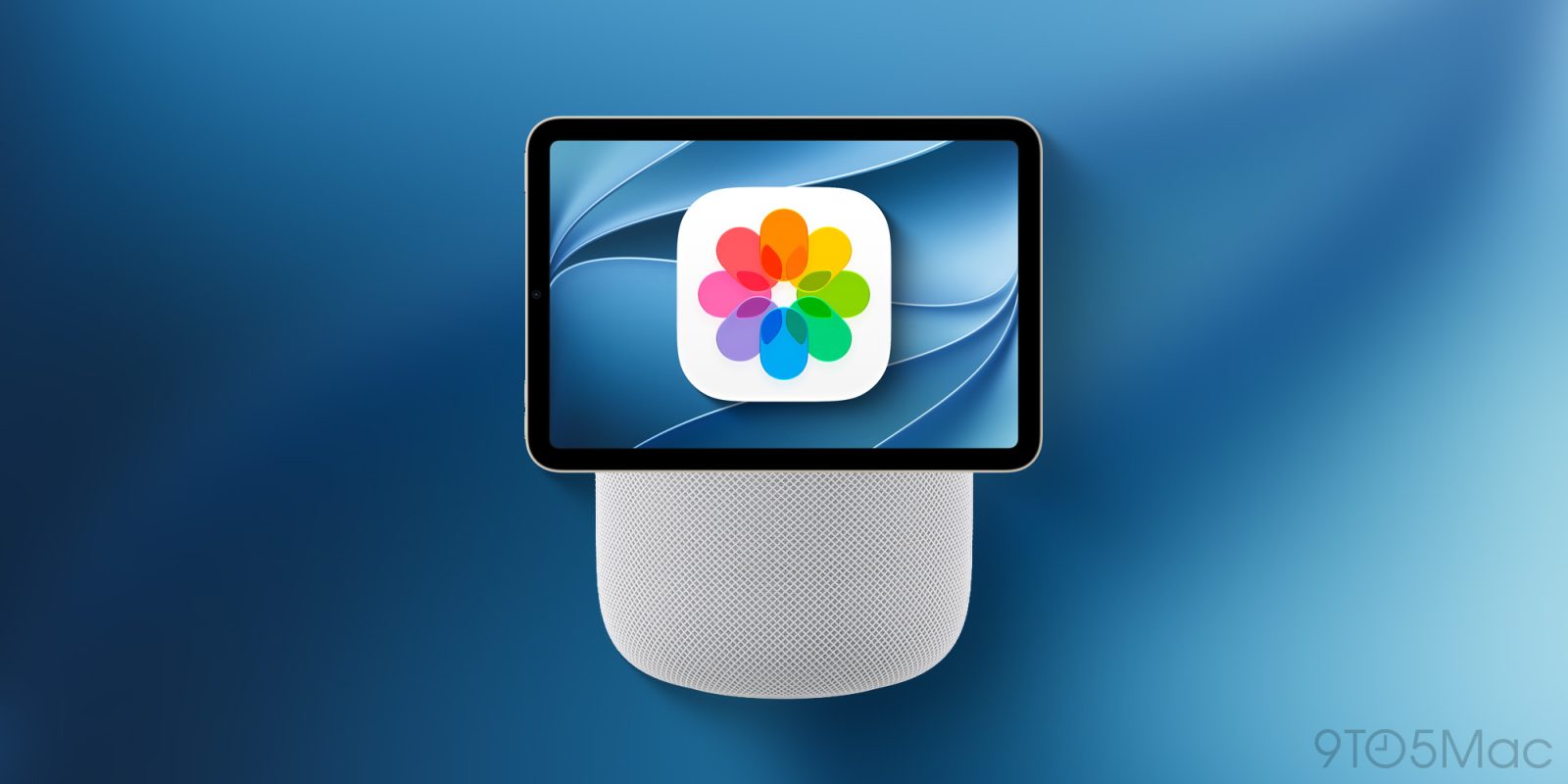
Under the hood, the HomeView is expected to pack a significant amount of processing power for a home hub. Reports indicate the device will be powered by Apple’s A18 chip, the same silicon architecture found in the latest generation of iPhones. The inclusion of such a high-performance chip suggests that Apple is not intending for the HomeView to be a simple digital photo frame or a basic controller for smart lights. Instead, the A18 chip will likely provide the necessary horsepower for advanced on-device processing, particularly regarding Siri and Apple’s broader artificial intelligence initiatives. By utilizing a modern, high-performance chip, Apple can ensure that the device remains responsive and capable of handling complex automation tasks and media playback without the lag often associated with lower-powered smart displays.
Aesthetics remain a priority for Apple, and the HomeView will be offered in a variety of finishes to match different home decors. The standard model featuring the integrated speaker base will reportedly be available in four distinct color options: space gray, silver, starlight, and pink. This palette mirrors the design language seen in the iPad and MacBook lines, offering both traditional professional tones and more vibrant choices for casual living spaces. However, the wall-mountable version will follow a more conservative aesthetic, offered only in monochrome silver or space gray. This decision likely reflects the expectation that wall-mounted devices should blend into the architecture of a home rather than stand out as a colorful focal point.
In terms of user interaction, the HomeView is being designed with a voice-first philosophy. Siri AI is expected to be the centerpiece of the user experience, acting as the primary interface for controlling the home and accessing information. Unlike an iPad, which is designed for close-up touch interaction, the HomeView is built for what Apple describes as "viewing" content from across a room. This implies a user interface with large, glanceable elements that can be easily read from a distance. Interestingly, the device will reportedly not feature a dedicated App Store. Instead, it will run a curated selection of Apple’s own core applications. To bridge the gap for third-party services, Apple is expected to allow users to project widgets from third-party apps directly from a nearby iPhone onto the HomeView screen. This approach keeps the device’s software environment streamlined and focused while still providing access to the broader ecosystem of iOS applications.

The "Welcome home" event is not limited to the HomeView alone; it represents a comprehensive overhaul of Apple’s smart home strategy. Alongside the new hub, Apple is expected to introduce hardware refreshes for the Apple TV set-top box and the HomePod mini. These updates are likely intended to ensure that the entire ecosystem is running on compatible hardware that can leverage the latest software features and connectivity standards. The goal appears to be a seamless integration where the HomeView acts as the visual brain of the house, the Apple TV serves as the entertainment core, and the HomePod mini provides distributed audio and voice access throughout different rooms.
Furthermore, Apple is moving to address one of the historical weaknesses of its home ecosystem: the limited range of compatible third-party accessories. To coincide with the launch of the HomeView, Apple has reportedly entered into strategic partnerships with major appliance and home accessory manufacturers, including LG. These collaborations are aimed at ensuring a wide range of smart home devices—such as thermostats, door locks, and doorbells—are ready to work natively with the HomeView and the Apple Home app from day one. By working closely with established brands like LG, Apple is attempting to create a "it just works" experience for the smart home, reducing the friction often found in setting up and managing a multi-brand domestic network.
This initiative comes at a time when the smart home market is increasingly competitive, with Amazon and Google having established long-running leads with their respective Echo Show and Nest Hub product lines. Apple’s entry with the HomeView suggests a belief that there is a market for a more premium, privacy-focused, and deeply integrated alternative. By focusing on high-end hardware like the A18 chip and a design that prioritizes both form and function, Apple is positioning the HomeView as a high-end command center for the modern household. The emphasis on "Apple Intelligence" and on-device processing will likely be a key marketing point, distinguishing the HomeView from competitors that rely more heavily on cloud-based processing for voice commands and data analysis.

The upcoming Tuesday event marks a pivotal moment for Apple’s services and hardware integration. For years, HomeKit has existed as a framework for other devices, but with the HomeView, Apple is providing a first-party physical anchor for that framework. The move suggests that Apple sees the home as the next major frontier for its ecosystem, following the success of the Apple Watch in health and the iPhone in personal communication. As the "Welcome home" event approaches, the industry is watching closely to see if the combination of nostalgic design, powerful silicon, and a simplified, widget-based software approach will be enough to redefine how users interact with their living spaces.
The transition toward a more robust home strategy also reflects broader trends in the technology industry, where the "ambient computing" concept—where technology is always present and accessible without needing to hold a device—is becoming the new standard. The HomeView, with its long-range viewing capabilities and voice-centric AI, is Apple’s answer to this trend. By removing the need for a dedicated App Store on the device and instead focusing on projection and core Apple services, the company is betting on a more passive, helpful form of technology that assists the user without demanding the constant attention that a smartphone or tablet might.
As the official announcement draws near, the HomeView stands as a testament to Apple’s ability to blend its historical design triumphs with its future-looking technological ambitions. Whether it is through the flexible utility of the iMac G4-inspired arm or the sophisticated AI capabilities of the A18 chip, the HomeView is designed to be the definitive interface for the Apple-connected home. With the mid-November release date approaching, the "Welcome home" initiative is set to be one of the most significant shifts in Apple’s product lineup in recent memory, potentially transforming the domestic landscape for millions of users worldwide. Apple is set to officially announce the full details of this new smart home initiative on Tuesday, providing a clearer look at how these various pieces of hardware and software will come together to create a unified home experience.
 Smart Home & IoT Solutions
IRobot Re-emerges Under New Ownership with Ambitious Eight-Model Roomba Lineup Following Bankruptcy
In a significant turn of events for the consumer robotics industry, iRobot,...
 Smart Home & IoT Solutions
Report: Apple ‘HomeView’ smart home hub will ship in November, come in four colors, A18 chip
The HomeView is expected to be the centerpiece of a major hardware...
 Smart Home & IoT Solutions
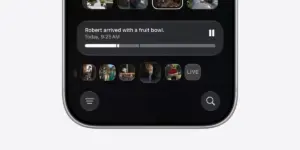
Apple Gates Advanced AI Home Security Features Behind Premium 2TB iCloud Subscription
As the technology industry continues its aggressive pivot toward artificial intelligence, the...







