
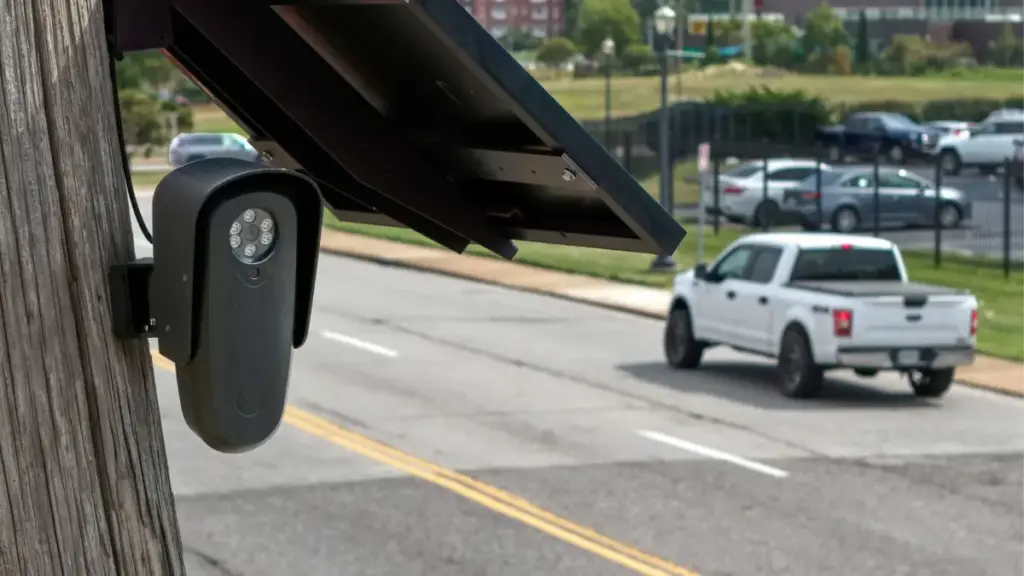
The scale of the data involved is staggering. With 335,701 specific camera locations identified, the map reveals a level of granular detail that was previously unavailable to the public. Flock’s cameras are not just located on major highways; they are increasingly found at the entrances to suburban subdivisions, in shopping center parking lots, and at busy urban intersections. These cameras do more than just record video; they use artificial intelligence to identify vehicle makes, models, colors, and even specific bumper stickers or roof racks, creating a searchable database of vehicle movement that can be used to reconstruct a person’s daily life. The exposure of these locations allows citizens to see exactly how their movements are being monitored as they go about their routine activities.
The controversy surrounding the map highlights a fundamental tension in the modern security landscape: the conflict between "security through obscurity" and the principles of open security research. Flock Surveillance argued that the disclosure of camera locations could assist criminals in avoiding detection, thereby undermining the safety benefits the system provides to police departments. Security researchers like Michael, however, argue that if a security system relies entirely on its location being a secret, it is inherently flawed. Furthermore, they contend that in a democratic society, the deployment of mass surveillance technology should be transparent and subject to public oversight, rather than hidden behind corporate non-disclosure agreements and technical obfuscation.
The accessibility of the map under Proton’s stewardship has also been greatly improved. Unlike Michael’s geofenced site, Proton’s mirror of the Flock camera map is easily accessible from anywhere in the world. This global availability ensures that the data remains a permanent part of the public record, serving as a resource for academics and civil liberties groups who study the proliferation of ALPR technology. It also serves as a proof of concept for how privacy-focused companies can provide "jurisdictional arbitrage" for whistleblowers and researchers who find themselves targeted by powerful interests in their home countries.
While the original map created by Joshua Michael remains online for the time being, its future was undeniably uncertain before Proton stepped in. The legal costs associated with defending against a cease-and-desist from a company of Flock’s size can be ruinous for an individual, often leading to "voluntary" takedowns even when the researcher has a strong legal standing. By providing a secure, Swiss-hosted home for the map, Proton has effectively neutralized the immediate threat of the data being erased from the internet through legal intimidation.
 Hardware Reviews & PC Building
BiWin Unveils CL100 Mini NVMe SSD to Address Storage Constraints in Next-Generation Gaming Handhelds
The modern landscape of PC gaming has undergone a radical transformation over...
 Hardware Reviews & PC Building
Judge denies motion to dismiss DRAM price-fixing lawsuit against Micron, Samsung, and SK hynix — says chipmakers…
The core of the defendants’ argument for dismissal rested on the claim...
 Hardware Reviews & PC Building
Save $250 on this award-winning Elegoo resin 3D printer with an integrated heater and 16K resolution — 39%…
The Saturn 4 Ultra is currently positioned as a flagship offering within...







