
The landscape of software development is undergoing a fundamental transformation as artificial intelligence shifts the power of creation from specialized engineers to the broader workforce. In a major move to democratize application building, Microsoft has announced the integration of natural language app development within its Copilot Cowork and Copilot Studio platforms. This development marks a significant milestone in the evolution of "agentic coding," allowing individuals without traditional programming backgrounds to move from a conceptual idea to a functional, enterprise-grade application in a matter of minutes.
For years, the barrier to entry for software development was defined by the mastery of complex syntax and programming languages. While low-code and no-code platforms began to lower these walls, the latest advancements in generative AI are effectively removing them. However, as Microsoft points out, simply generating a standalone application is only the first step in solving modern business challenges. To be truly effective within a corporate environment, these tools must do more than just exist; they must be deeply integrated into the data ecosystems, security protocols, and daily workflows that define the modern enterprise.
By bringing these capabilities into Copilot Studio and Copilot Cowork, Microsoft is positioning itself to bridge the gap between rapid, AI-driven innovation and the rigorous demands of IT governance. The goal is to provide a platform where creativity is not hindered by technical limitations, yet remains firmly within the boundaries of organizational safety and control.
Build an app by describing what you need
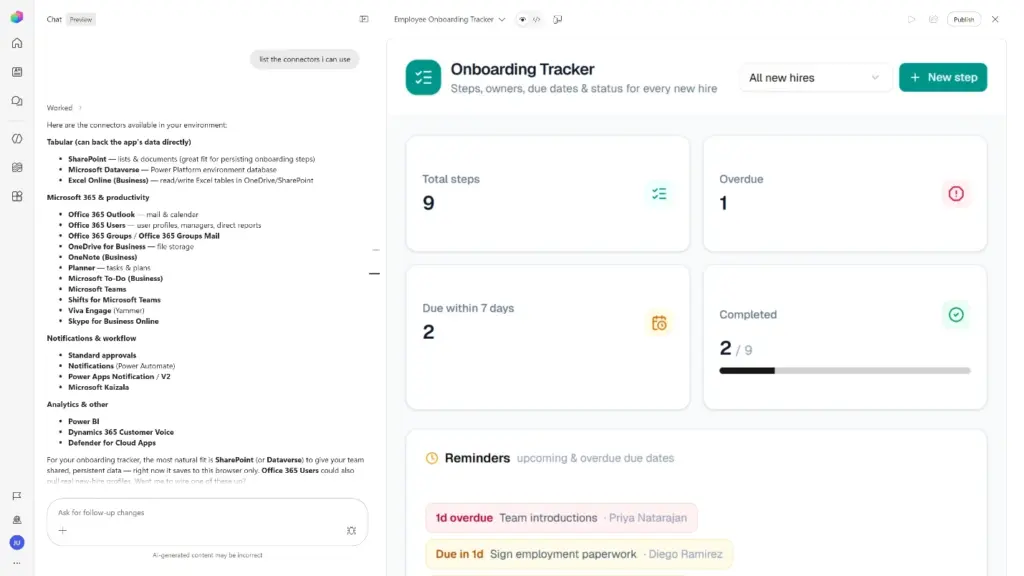
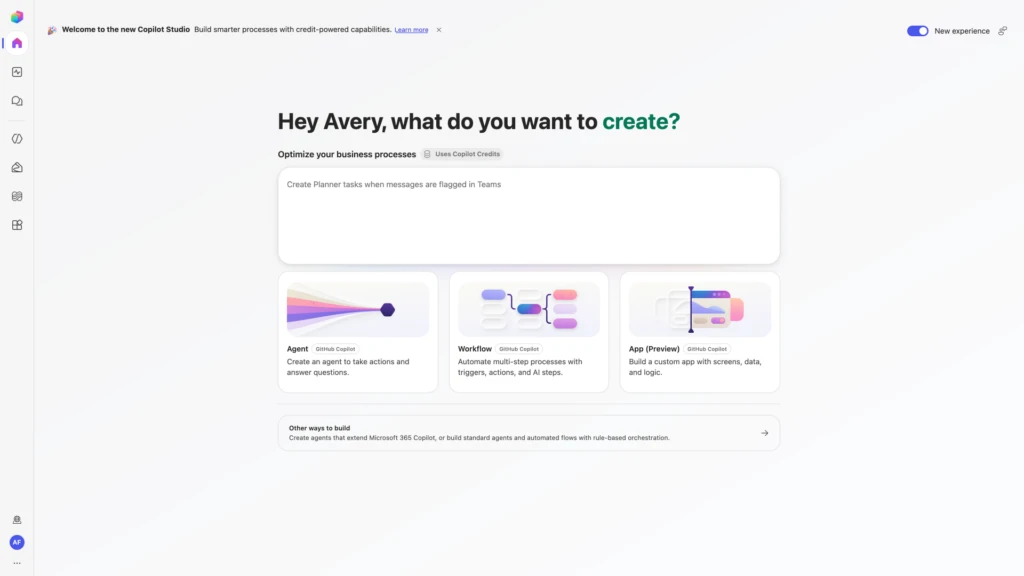
The core of this new experience is rooted in the simplicity of conversation. Rather than starting with a blank canvas or a complex drag-and-drop interface, users initiate the development process by engaging in a natural language dialogue with the AI. Within the Copilot Studio home screen, a new "App (Preview)" option serves as the gateway to this process. Alternatively, for those already working within the Microsoft ecosystem, the new "/app" skill can be invoked directly within a Copilot Cowork chat.

This "agentic" approach to coding goes beyond simple text completion. When a user describes a business outcome—such as a tool to track inventory or a system to manage client requests—the AI interprets the intent, identifies the necessary data structures, and outlines the required actions. It then generates a working application scaffold that serves as a functional foundation.
This conversational iteration does not end with the initial generation. Builders can continue to refine the application by talking to the Copilot, asking for specific UI changes, additional features, or logic adjustments. Crucially, the system is designed to cater to a wide spectrum of users. Information workers can remain focused on the high-level business solution and user experience, while professional developers and advanced "makers" have the option to peer under the hood. They can inspect the underlying code and the application’s structure, providing a level of transparency and manual control that is often missing from automated development tools.
Connect apps to your business data
A common pitfall of early AI-generated tools was their isolation; they often functioned as "islands" of data that could not communicate with existing systems. Microsoft is addressing this by ensuring that apps built through Copilot Cowork and Copilot Studio are inherently connected. These applications utilize a vast library of connectors to interact with established business data, ensuring that the apps are not just decorative but deeply functional.
A key component of this connectivity is "Work IQ," a feature that allows the AI to tap into organizational context. This means the applications are aware of the specific environment in which they operate, allowing them to surface relevant information and, more importantly, take action based on that data. This capability transforms the app from a passive viewer into an active participant in the business process.
Microsoft highlights several use cases to illustrate the power of this connectivity. For instance, an employee onboarding application can do more than just list tasks; it can use connectors to pull data from HR sources, display real-time progress, surface specific learning resources tailored to the new hire’s role, and then write the completion status back into the organization’s official records. Similarly, a field service application could retrieve technical specifications from a third-party database, provide the technician with guided repair steps, and automatically log the service results in the company’s central management system. Because these actions happen within the Microsoft 365 tenant boundary, the data remains secure and compliant with internal policies.
Build enterprise apps with open standards and centralized control
As the number of "citizen developers" grows within an organization, IT departments often face the challenge of "shadow IT"—the proliferation of unsupported and unmanaged software. Microsoft’s new framework is designed to mitigate these risks by building applications on open standards and providing IT administrators with robust oversight tools.
Apps created through this new natural language process are described as "full-stack" applications. They are not proprietary scripts that live only within a chat window; they are structured solutions that support professional-grade development practices. This includes Git-backed source control, which allows for version tracking and collaboration. It also includes deployment stages and version isolation, ensuring that developers can test improvements and build the "next version" of an app without risking the stability of the live version currently being used by employees.
Security is integrated at the foundational level through Microsoft Entra. By default, the applications respect existing organizational data policies and connector permissions. This ensures that a user cannot inadvertently create an app that bypasses established security protocols or accesses data they are not authorized to see.
For the IT professional, the Microsoft 365 admin center serves as a centralized "command center" for these AI-generated solutions. Administrators are provided with a comprehensive inventory of all published apps, along with operational controls to manage their lifecycle. This visibility allows IT to govern, secure, and monitor the applications effectively. By providing these guardrails, Microsoft aims to create an environment where makers feel empowered to build and share solutions, while IT maintains the necessary oversight to run the organization confidently.
Start building apps with Copilot Studio

The rollout of these features is already underway, offering organizations multiple pathways to begin exploring AI-driven app creation. Those interested in early access can join the Microsoft Frontier program, which grants immediate use of the "/app" skill within Copilot Cowork. For the broader market, the native app-building experience within Copilot Studio is scheduled to begin its public preview rollout over the coming week.
Once the update reaches an organization’s environment, users will find a new "apps" tile within Copilot Studio. Clicking this tile opens the natural language interface where they can begin describing their desired solutions. Microsoft has clarified that the building and running of these applications will follow a usage-based billing model, aligning the cost of the tools with the actual value they provide to the business.
To ensure that these apps are easily discoverable by the employees who need them, Microsoft has established a dedicated portal at managedapps.cloud.microsoft.com. This serves as a hub for shared, enterprise-ready applications, making it simple for teams to deploy and use the solutions created by their colleagues.
By housing app creation alongside agents and workflows in Copilot Studio, Microsoft is creating a unified ecosystem for business process automation. The company has indicated that this is an iterative journey, and they intend to continue refining the experience based on customer feedback and real-world usage patterns. The ultimate goal is to move the industry toward a future where the distance between a business problem and a digital solution is bridged not by months of coding, but by a single, well-articulated idea.
 Productivity Software & Office Suites
Microsoft Unveils Advanced AI Capabilities for Finance Professionals in Excel, Prioritizing Traceability and Real-World Data
The evolution of enterprise technology has historically followed a predictable trajectory. From...
 Productivity Software & Office Suites
Microsoft Surpasses 30 Million Copilot Seats as Enterprise AI Shifts from Assistants to Autonomous Agents
In a significant update regarding the trajectory of enterprise artificial intelligence, Microsoft...
 Productivity Software & Office Suites
Microsoft Shifts Focus to Enterprise AI Utility: A New Strategic Framework for Agents, Economics, and Partnership
In an era defined by a relentless cycle of artificial intelligence breakthroughs,...







