
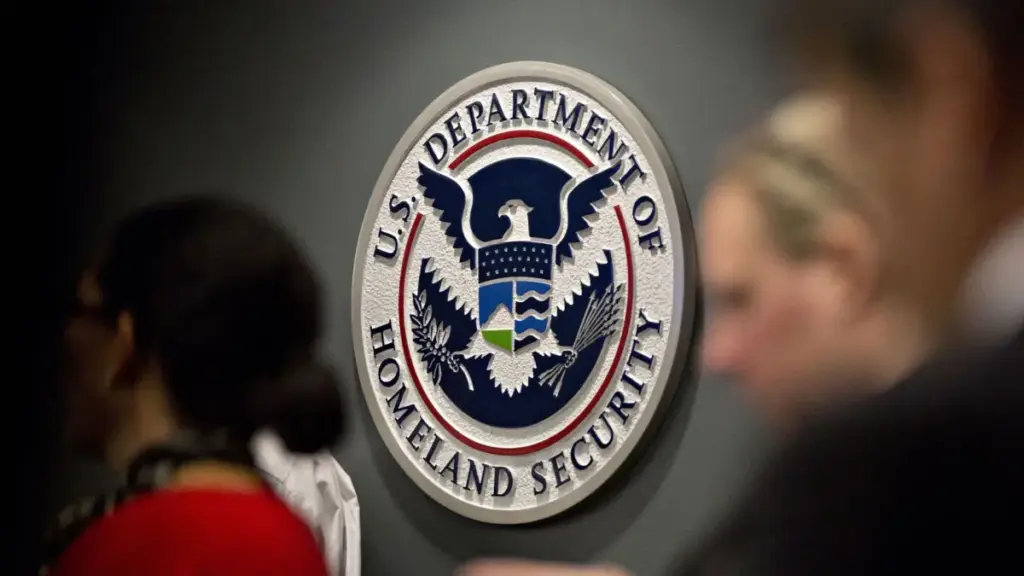
The Department of Homeland Security (DHS) is currently grappling with a significant cybersecurity crisis following the unauthorized release of sensitive data belonging to more than 40,000 of its employees. The incident, which has sent ripples through the federal law enforcement community, involves the exposure of highly confidential information that cyber experts have characterized as a "severe operational failure." The leak not only compromises the privacy of thousands of federal workers but also potentially jeopardizes the safety of personnel operating in some of the government’s most sensitive roles.
The breach was orchestrated by a hacktivist group identifying itself as the "Department of Peace." Following the initial exfiltration of the data, the information was disseminated online by the transparency collective Distributed Denial of Secrets (DDoS). The leaked records were organized and distributed under a database codenamed "Icepick," a title that underscores the specific focus of the breach.
As the database name implies, a significant portion of the exposed employees are affiliated with the nation’s primary border and immigration enforcement arms. The records include personnel from Immigration and Customs Enforcement (ICE) and Customs and Border Protection (CBP). These agencies are frequently at the center of high-stakes operations involving national security, counter-narcotics, and human trafficking investigations, making the exposure of their staff particularly volatile.
The scope of the leaked information is extensive. According to reports, the data dump includes full names, specific job titles, professional email addresses, and direct phone numbers. However, the most alarming aspect of the breach is the inclusion of details regarding agents engaged in surveillance operations, undercover assignments, and other specialized activities. For individuals whose effectiveness and physical safety depend on maintaining a low profile or total anonymity, the public release of this data represents an existential threat to their ongoing missions.
In response to the incident, the Department of Homeland Security issued a formal statement acknowledging the breach. The department noted that it is "aware of a potential breach and is actively working to address the situation swiftly and effectively." While the DHS has not yet provided a full accounting of how the data was accessed or the total extent of the damage, officials stated that the department is committed to providing more information as the investigation progresses. Furthermore, the DHS emphasized its intent to "work to ensure all [agents] are properly protected" in the wake of the exposure.
The reaction from the cybersecurity community has been one of deep concern. Dray Agha, senior manager for tactical response at the cybersecurity firm Huntress, described the event as a catastrophic lapse in security protocols. Agha pointed out that the breach goes far beyond a simple administrative error, noting that it "places the physical safety of undercover personnel at direct risk."
Beyond the immediate danger to individuals, Agha highlighted the strategic value of the leaked information to foreign intelligence services and criminal organizations. "Exfiltrating this directory data gives hostile actors a complete map of sensitive departments and their internal reporting structures," Agha commented. By understanding the hierarchy and the specific roles of various agents, adversaries can more effectively counter-surveillance efforts or target specific nodes within the department’s operational framework.
 Helpdesk & IT Service Management (ITSM)
Amazon Issues New Guidelines to Software Engineers Warning Against Unnecessary AI Usage
In a significant shift that reflects a growing sense of pragmatism within...
 Helpdesk & IT Service Management (ITSM)
Omnissa Appoints Industry Veteran Amit Singh as CEO to Lead Expansion into Agentic AI and Secure Digital Workspaces
Omnissa, a prominent global provider of digital work platforms, has announced a...
 Helpdesk & IT Service Management (ITSM)
Xerox C255a Review: A Compact Multifunction Laser Printer That Struggles to Meet Its Own Performance Benchmarks
In the competitive landscape of office hardware, Xerox has long maintained a...







