The dispute was initiated by Rikshiram Aghria, an Indian national who sought to gain control of the domain name sattamatkajico.com through the Uniform Domain-Name Dispute-Resolution Policy (UDRP). In his filing, Aghria relied on his ownership of Indian trademark registrations for the marks "SATTA" and "SATTA MATKA." Notably, these trademarks were registered in a stylized form rather than as standard character marks. Aghria’s central argument rested on the assertion that these terms were coined identifiers for his business and that he had built significant goodwill around them over several years. He contended that the respondent’s registration of the domain was a bad-faith attempt to capitalize on his established brand.
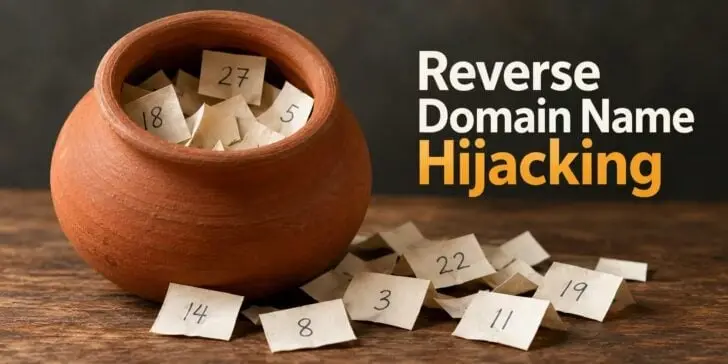
However, the case quickly encountered hurdles as the panelist, Shwetasree Majumder, began to scrutinize the foundational claims of the complaint. The primary issue was the nature of the terms themselves. In the context of Indian culture and the gambling industry, "Satta Matka" is far from a unique or coined brand. Instead, it is the name of a widely known, numbers-based gambling and lottery game that has been a part of the Indian social fabric for decades. The term has clear linguistic roots: "satta" translates to wagering or betting, while "matka" refers to an earthen pot. Historically, the game involved drawing numbers from such a pot to determine winners, a practice that originated in the 1960s and evolved into a massive, albeit often unregulated, industry.
Because the term is generic and describes the very activity—betting on numbers—associated with the domain, the panelist found that the complainant’s attempt to claim exclusive rights over it for the purpose of a domain dispute was fundamentally flawed. Under the UDRP, for a complainant to succeed, they must prove three specific elements: that the domain name is identical or confusingly similar to a trademark in which they have rights; that the respondent has no rights or legitimate interests in the domain; and that the domain was registered and is being used in bad faith.
In this instance, the panelist found that the complainant failed to move past the most basic requirements of the policy in a convincing manner. One of the most damaging aspects of the complainant’s case was the timeline of events. Majumder noted that Aghria had filed his trademark applications only weeks before the disputed domain name was registered. This timing suggested to the panel that the complainant may have been attempting to create a legal "paper trail" to support a future claim rather than protecting a long-standing, well-known brand. Furthermore, despite asserting that he had built goodwill over many years, Aghria failed to provide any substantive evidence of actual use of the marks in commerce.
 Web Hosting & Domain Management
The Hidden Economy of Expired Domains: Analyzing the June SEO Auction High-Rollers
In the specialized world of domain name investing, a high sale price...
 Web Hosting & Domain Management
Woman faces changing 211 accounts after .name domain termination
Among those caught in the crosshairs of this policy change is Judy...
 Web Hosting & Domain Management
The Long Road to .web: Chris Ambler Reflects on Decades of Domain History and a New Path Forward with .epic
The landscape of the internet is on the verge of a significant...