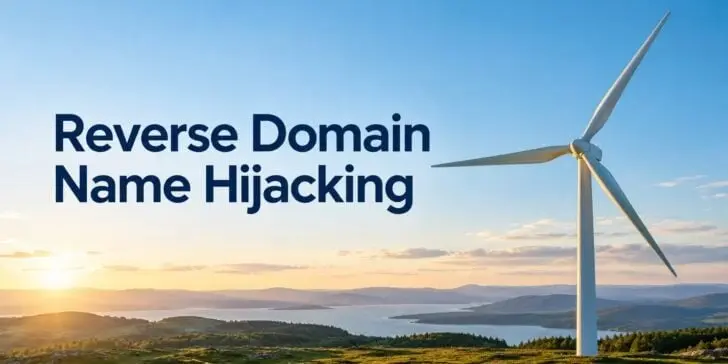
A Danish green energy developer, WindSpace A/S, has been issued a rare and stinging rebuke by a World Intellectual Property Organization (WIPO) panelist following an unsuccessful attempt to seize a domain name through the Uniform Domain Name Dispute Resolution Policy (UDRP). The case, which centered on the domain windspace.com, concluded not only with the dismissal of the firm’s claims but with a formal finding of Reverse Domain Name Hijacking (RDNH)—a designation reserved for instances where a complainant is found to have used the administrative process in bad faith to harass a domain owner.
The dispute highlights the perils of using the UDRP as a "Plan B" for domain acquisition after commercial negotiations have failed. Represented by the Denmark office of the international law firm DLA Piper, WindSpace A/S sought to gain control of a digital asset that had been in use and under various ownerships since long before the Danish company even existed. The ruling serves as a significant reminder to brand owners and their legal counsel regarding the strict requirements for proving cybersquatting, particularly when a domain registration predates a trademark.
The Origins of the Dispute
The domain name at the heart of the conflict, windspace.com, was first registered in 1999. At that time, the internet was in its relative infancy, and the complainant, WindSpace A/S, had not yet been incorporated. The history of the domain shows a consistent thread of ownership within the renewable energy sector. Rather than being held by a traditional "cybersquatter" looking to flip the name for a quick profit, the domain was passed along through a series of corporate acquisitions and transitions.
The current respondent in the WIPO case is a business entity that acquired the domain through these legitimate corporate channels. Specifically, the evidence presented to the panel indicated that the domain was being used to support the operations of Terranova, an independent business active in the Spanish renewable energy market. This history of use in a specific geographic and industrial niche proved to be a critical factor in the panel’s eventual decision.
WindSpace A/S, the complainant, is a Danish firm also operating in the green energy sector. While it has established its own brand and presence, its digital footprint was hampered by its lack of the "gold standard" .com domain associated with its name. According to the case filings, the Danish firm’s interest in the domain was not a new development; it had been pursuing the asset for more than a decade through traditional commercial channels.
A Decade of Failed Negotiations
The record of the case reveals a persistent, albeit unsuccessful, effort by WindSpace A/S to purchase windspace.com. The first formal inquiry occurred in September 2009. At that time, the respondent was actively using the domain for its business operations. When approached with an offer to buy the domain, the respondent flatly rejected the inquiry, indicating that the asset was not for sale and was integral to its existing brand.
Undeterred by the initial rejection, WindSpace A/S made a second attempt to acquire the domain in 2014. Again, the effort proved fruitless. A third and final attempt was made in 2022, nearly thirteen years after the first approach. Each time, the respondent maintained its position, refusing to entertain the sale of the domain.
It was only after these three failed attempts at a voluntary commercial transaction that WindSpace A/S, represented by DLA Piper, elected to file a claim under the UDRP. This sequence of events—moving from failed purchase attempts to a legal claim of cybersquatting—is often viewed with skepticism by UDRP panelists, who generally distinguish between a legitimate trademark dispute and "Plan B" hijacking.
 Web Hosting & Domain Management
Taylor Swift Files Application for Exclusive Top-Level Domain Name in Global Internet Expansion
In a move that further solidifies her status as a pioneer in...
 Web Hosting & Domain Management
The Long Road to .web: Chris Ambler Reflects on Decades of Domain History and a New Path Forward with .epic
The landscape of the internet is on the verge of a significant...
 Web Hosting & Domain Management
The Digital Afterlife: How Expired Domains Are Fueling a Shadow Economy of SEO Strategy
The internet is often perceived as a permanent archive, a vast repository...